
The Lovers and the Written Affair
DeceptionThis thread traces the emotional bond between the novelist and the English woman as it moves from listening and erotic play into separation, then returns through a book that both preserves and wounds their shared past.
increasing Bearing strength in each event
 decreasing
Bearing strength in each eventdecreasingA Listening Intimacy

Desire Through Conversation
The Listener and the Teller
The woman’s stories about marriage, family, work, and desire establish the unusual intimacy between her and the narrator. He says that he likes knowing what is going on in her head, while she recognizes that his listening has an erotic quality. Their bond depends not only on physical encounters but on her willingness to speak and his sustained attention.
Speech as Shared Space
In the small writing room, she can describe experiences that remain difficult to discuss at home. He receives those accounts as her lover and as a writer, roles that appear complementary at first but will later become difficult to separate. For the moment, conversation offers a kind of privacy in which each can be attentive to the other without making a public claim on the relationship.
Their closeness develops through an exchange that is emotionally vivid but structurally unequal: she supplies intimate experience, and he has the means to preserve it in words. The arrangement feels mutual while they are together, yet its future vulnerability is already present in the difference between telling a story and writing it down.
The Woman as a Character

The Lover Enters Fiction
A Bond Continued in Imagination
After the woman stops seeing the narrator, he continues to imagine conversations with her. In the notebook, a woman resembling the English lover speaks in the intimate setting of their affair, allowing their connection to persist in a form that does not require her presence. He describes this as the work of imagination, a way of writing about desire and a life that has ended in practice.
Distance Made Into Form
The woman’s absence becomes part of the imagined relationship. The narrator says that the love exists because it is compartmentalized and that the stolen moment cannot be sustained; the notebook, however, sustains their conversation on the page. His literary practice gives their intimacy duration while also changing its nature, because the living woman no longer controls what is said in her voice.
The imagined continuation exposes the emotional difficulty of the separation. Writing lets the narrator remain close to a relationship he has lost, but it also extends the affair into a private world the woman did not share. What feels to him like mourning can feel to her like an escape from the marriage and from her own authority over their story.
Discovery and Wounded Trust
A Private Fantasy Exposed
The Notebook Misread and Recognized
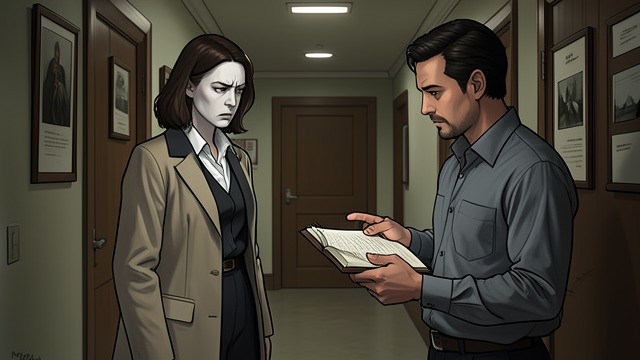
The narrator’s wife finds his notebook and reads conversations that appear to record an ongoing affair. She believes the imagined English woman is real and interprets the tenderness of the pages as evidence that her husband loves this other woman more than he loves her. The narrator insists that the conversations are invented or reshaped from several sources, but the distinction between memory and invention no longer reassures his wife.
Betrayal Without a Simple Fact
The dispute turns on more than whether the woman exists exactly as the notebook depicts her. The wife says that the love and desire in the writing exist, and that the manuscript records an attempt to escape their marriage. The narrator argues that writing is his work and rejects the demand that he censor himself, while conceding that imagining women in the marital bedroom may constitute a kind of betrayal.
The scene demonstrates that literary invention can produce real emotional injuries without offering a settled account of what happened. For the wife, the notebook’s intimacy is itself consequential; for the narrator, it is a work of imagination that cannot be reduced to a factual confession. Their argument makes his bond with the absent lover a present force in his marriage.
The Published Portrait

Intimacy Made Public
Recognition in the Book
The woman reads the published novel and recognizes her voice in its character. She is troubled that the narrator had tried so hard to keep the affair secret, yet later wrote a book that seemed to her to reveal the emotional shape of their relationship. She also considers the possibility that the character represents someone else, a sign that the book’s transformed details make recognition both powerful and uncertain.
Anger Beside Tenderness
The woman tells the narrator that she was angry for months, but that she also found it difficult to remain angry because the book seemed tender. She remembers the parts that felt addressed to her and senses that the narrator planted details for her amusement. The published account therefore renews their intimacy while making her feel that private experience has been taken from her and reshaped for readers.
Their relationship now has an audience, even though the woman is not publicly identified in the story as herself. The narrator has preserved a version of their shared life, but he has also made it difficult for either of them to treat the affair as something that belonged only to the two people who lived it.
Tenderness After Exposure

A Relationship Reopened
Memory in Two Voices
When the woman and the narrator speak again, each says that the other has remained in mind. She has missed talking with him, and he recalls loving her intensely, including during the periods when they were apart. Their reunion does not erase the time between them; it lets each describe what the affair meant from a different present.
The Living Woman and the Written One
The woman questions whether the lover in the novel is really her or a figure the narrator made from memory and imagination. He replies that he loved the real woman as well as writing about her, while she insists that she also existed beyond the version created on the page. Their conversation moves between teasing, reproach, and affection without collapsing those positions into agreement.
The bond remains emotionally alive but cannot return to its earlier form. The woman has a family and a continuing life with her husband; the narrator has made their former intimacy part of his literary work. Their renewed conversation is therefore a kind of contact after loss, in which tenderness survives alongside the knowledge that love, memory, and fiction have become inseparable.
During the first phase of the affair in London
After the woman’s first decision to end the affair
When the narrator’s wife reads the notebook
After the book has been published, before the lovers reconnect
During their reunion phone call several years later
