
The Listener Who Turns Life into Narrative
DeceptionThis flow traces how attentive listening becomes an erotic and artistic method, then a source of betrayal when lived voices are transformed into fiction.
increasing Bearing strength in each event
 decreasing
Bearing strength in each eventdecreasingThe Questionnaire of Candor
Love as an Interview
Questions Before Commitment
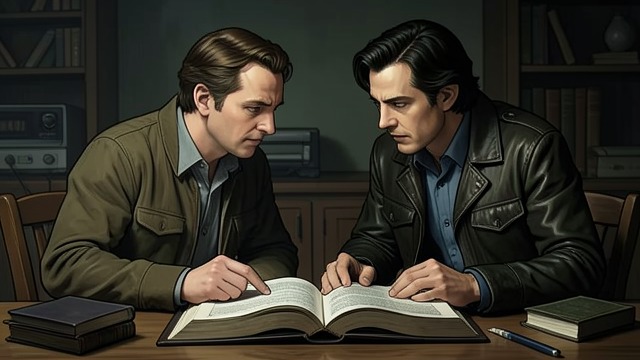
The lovers begin by inventing a questionnaire about running away together. Its questions range from money, age, and children to sexual appetite, honesty, and the possibility that marriage is not a love affair. The playful format gives them a way to approach frightening subjects without pretending they are merely jokes.
Listening as Intimacy
The exchange also establishes a pattern: one lover asks, the other tells, and conversation becomes a form of contact in its own right. Their intimacy is built through disclosure, but the questions already anticipate the difficulty of distinguishing candor from concealment. Their private game makes the future act of recording their words seem both imaginable and dangerous.
A Room Made for Listening
The Room as an Instrument
Austerity and Attention
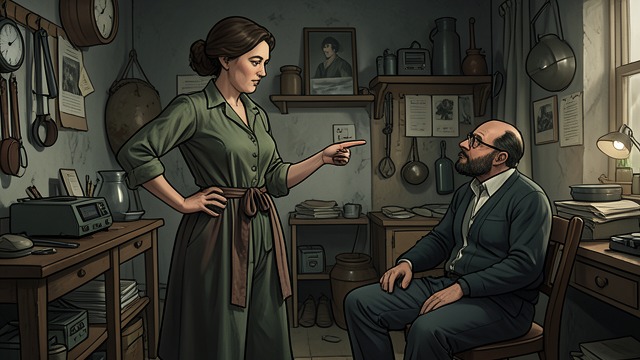
The cramped writing room offers no bed and little privacy, but it gives the lovers a secluded stage for talking. The Unnamed English woman memorably inventories its desks, books, papers, and windows, noticing how the workroom's austerity contrasts with the emotional and sexual life unfolding inside it.
From Conversation to Material
The narrator presents himself as an eager listener, even calling himself an audiophiliac. The room makes that role visible: she speaks while he attends, and the act of listening can feel erotic before it becomes literary. Their conversations are therefore both shared experience and potential source material, a double function that neither can entirely control.
Ivan's Accusation of Story Hunger
The Charge of Turning People into Stories
A Friend's Indictment
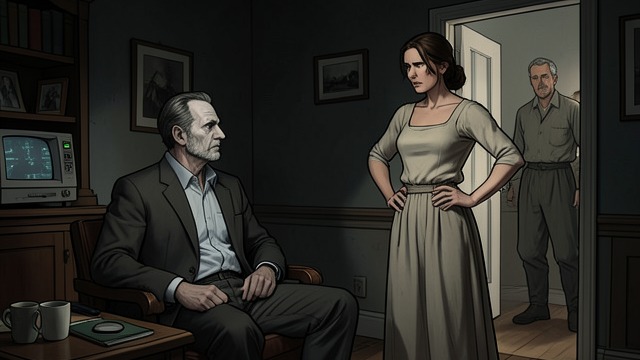
When Ivan accuses the narrator of sleeping with Olina, he expands the dispute into a judgment of the narrator's character and art. He claims that the narrator is drawn to women in crisis because their unfinished stories excite him, and that he converts their vulnerable attempts at self-understanding into fiction.
The Ethics of Attention
The accusation unsettles the distinction between compassionate listening and artistic appropriation. The narrator denies the alleged affair, yet the force of Ivan's complaint lies less in proving a specific event than in naming a recurring appetite: the wish to hear, shape, and preserve another person's account. The scene makes narrative attention look simultaneously intimate and predatory.
The Notebook as Imagined Affair
An Intimacy on the Page
The Discovery
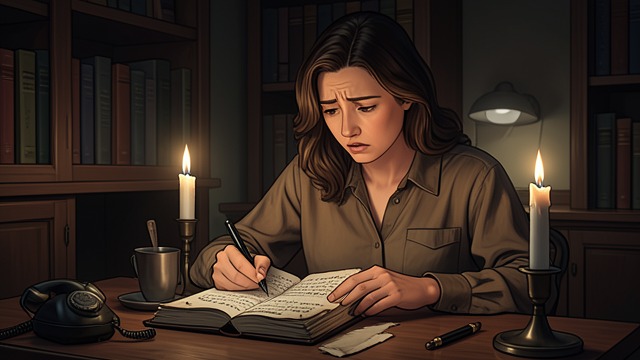
The narrator's wife finds Philip’s notebook and reads its conversations with an imagined English woman. She recognizes the emotional texture of the entries and fears that the invented interlocutor has displaced her in the narrator's attention. His claim that the figure is fictional does not settle the matter, because the feelings and language on the page are real to her.
The Writer's Defense
He argues that the notebook mixes observation, memory, invention, and self-implication so thoroughly that its boundary between life and fiction cannot be cleanly marked. The wife's pain exposes the cost of that artistic freedom: the writer can call the woman words, but the act of writing still involves people whose lives and speech helped make those words possible.
The Published Life and Its Echo
The Story Returns to Its Source
Recognition in the Novel
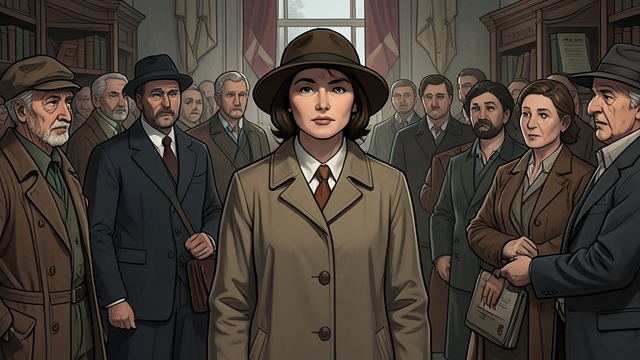
After the book appears, the Unnamed English woman tells the narrator that acquaintances recognized her voice. She is troubled that the secrecy surrounding their affair did not prevent its transformation into a public literary object. At the same time, she acknowledges that the book's tenderness makes anger difficult to sustain.
A Story Neither Owns Alone
Their later call turns authorship into a new version of their old intimacy: they revisit the affair while disputing what the novel made of it. The narrator insists that fiction can coexist with the real woman who inspired it; she insists that she also exists beyond his invention. Their unresolved exchange leaves narrative as both a preservation of shared experience and a claim over it.
At the opening of their affair
During the affair in the London writing room
After Olina leaves Ivan
After the wife discovers the notebook
Several years after the lovers separate
