
The English Woman’s Marital Crossroads
DeceptionThis flow follows the Unnamed English woman as marital exhaustion, her husband's infidelity, financial fear, and the affair with Philip Roth shape her repeated approach to—and retreat from—separation.
increasing Bearing strength in each event
 decreasing
Bearing strength in each eventdecreasingExhaustion at Home
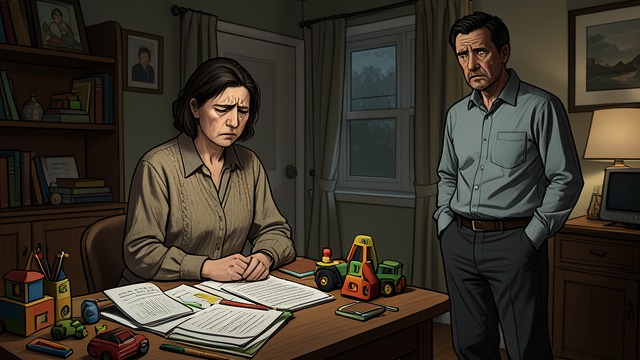
A Life Crowded by Duties
Domestic pressure
The Unnamed English woman describes a home organized around children, nannies, work, and obligations that leave her little rest. Her husband is frequently absent or involved with another woman, while she feels lonely, overburdened, and uncertain how much of their life together can be repaired.
Sex as another demand
Her loss of sexual interest becomes part of the marriage's distress. She describes sex as lonely and difficult, and says that accumulated resentment has made intimacy harder; the problem is not a single argument but a relationship worn down by repeated disappointment.
The Other Woman
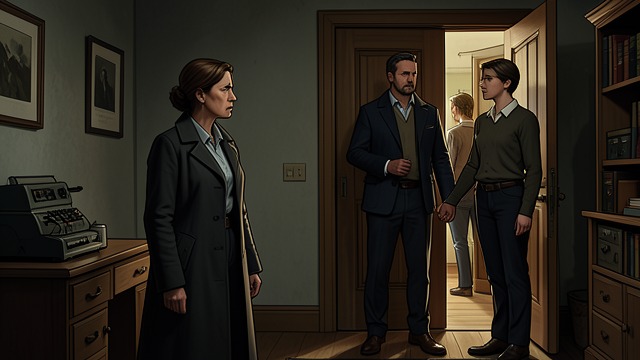
Infidelity Becomes Impossible to Ignore
A destabilizing arrangement
The Unnamed English woman's husband has a girlfriend, whom she considers important to his life. She initially resists demanding that he end the relationship, calling such a demand selfish, even as the arrangement leaves her hurt and unsure of her place in the marriage.
Jealousy without certainty
Her husband's decision to leave a dinner party with a younger woman and go dancing intensifies her anger. She admits that she feels jealous despite having little sexual feeling for him, exposing the difference between wanting the marriage and fearing its humiliation or loss.
The Lawyer’s Office

Considering Divorce in Practice
Testing her options
The Unnamed English woman visits a solicitor to learn what separation would involve. She acknowledges her husband's long-standing adultery, but also recognizes that the legal and emotional cost of acting on that knowledge may be substantial.
Fear of what follows
She worries about money, housing, and the prospect that her husband's family could use conflict over the children against her. Divorce is not merely a decision about love: it would require her to confront financial insecurity and the consequences of becoming independent.
Rehearsals for Leaving
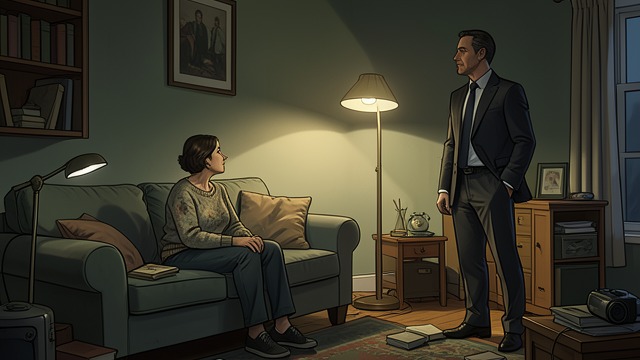
Repeated Approaches to the Abyss
A marriage that seems finished
The Unnamed English woman describes recurring arguments and appointments with a solicitor as rehearsals for a possible break. At times she and her husband discuss practical separation, but those conversations often collapse into recrimination before either can act.
The cost of dependence
She recognizes that staying because she lacks a reliable income would diminish her sense of dignity, yet fears that leaving could make her financially vulnerable. Her indecision is therefore not simple confusion: it arises from competing needs for security, autonomy, and relief from an increasingly painful household.
A Changed Household
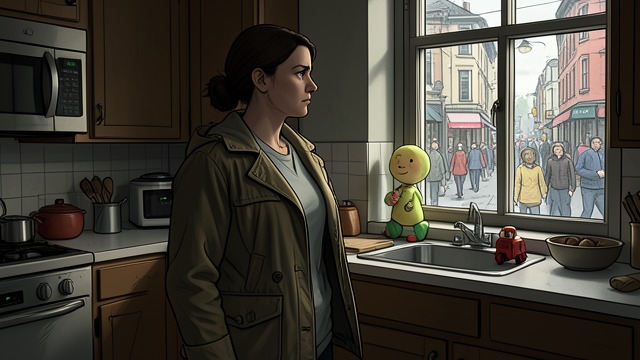
Choosing the Life That Remains
A more workable marriage
Years after the affair's most intense period, the Unnamed English woman tells Philip Roth that she still lives with her husband and that they get on better. She describes their arrangement as an effort to do the decent thing, while admitting that loneliness and boredom have not disappeared.
A life not made simple
She has another child and is busy counting her blessings, but does not claim that all the old problems have been solved. Her later position contrasts with her earlier wish to escape: she has settled into a more workable household without turning it into an uncomplicated romantic resolution.
Before and during the early period of the affair
During the affair's first year
After she first consults a solicitor
After her husband humiliates her by leaving a party with another woman
By the time of the later reunion call
