
Privacy and the Writer's Permission
DeceptionThis flow examines the conflict between protecting private lives and a writer's claim to use experience, tracing how artistic freedom collides with secrecy and the demand for consent.
increasing Bearing strength in each event
 decreasing
Bearing strength in each eventdecreasingThe Hypothetical Biographer

Imagined Exposure
A Future Reader
The narrator asks the Unnamed English woman to imagine a biographer discovering her name among his papers after his death. The hypothetical scene turns their affair into a possible record and invites her to decide whether she would speak about him. She imagines demanding access to the notebooks before cooperating.
Privacy as a Shared Bargain
Their joking exchange gives each lover a glimpse of how little control either may have over the story that survives. The woman might protect the narrator's privacy, but only after seeing what he wrote; he, meanwhile, is already imagining how a life could be reconstructed from private traces. The biographer becomes a figure for the public exposure waiting at the edge of intimacy.
The Writer's License to Transgress

Scruples and Artistic Permission
Against Reverent Silence
The narrator describes how a biographer can turn a subject into a sanctified figure by avoiding contradictions, appetites, and private impulses. He argues that writers need permission to explore the impure and embarrassing aspects of a life rather than protecting a reputation through silence.
The Cost of Permission
The Unnamed English woman is uneasy with this celebration of transgression, recognizing that the narrator's freedom may leave other people exposed. His idea of artistic courage places pressure on the very scruples that help preserve trust. Their discussion makes privacy more than a biographer's problem: it is a live ethical question inside the affair itself.
The Notebook as a Breach
Private Speech Becomes Exhibit
Intimacy Outside Its Room
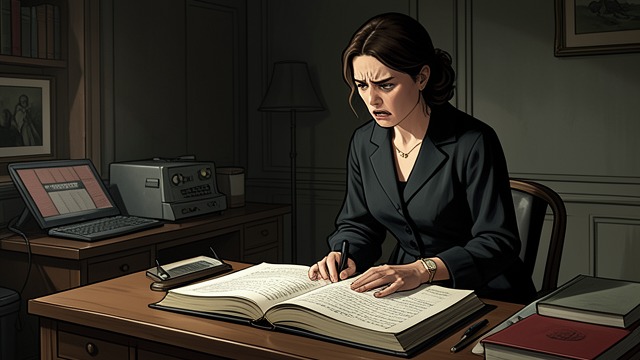
The notebook collects conversations that were spoken in private and recasts them as an intimate literary exchange. The narrator's wife encounters this material without the context or consent that shaped the original meetings. What had seemed to the lovers like protected conversation now appears as a record that can be read, interpreted, and used against the writer.
The Question of Consent
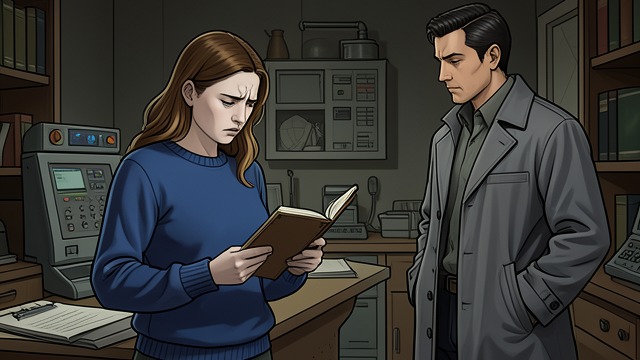
The narrator's wife does not merely object to whether the woman existed; she challenges his authority to write intimate speech in a form that can later circulate. The narrator replies that writing is his work and that the notebook is a fictional construction. Their argument makes clear that artistic intention cannot by itself determine whether a private person has been betrayed.
The Ethics of Naming
Anonymity and Exposure
A Possible Name Change
The narrator's wife proposes changing a name in the notebook if it is published, suggesting that a small alteration could reduce the risk of recognition. The narrator resists the assumption that this would solve the problem, distinguishing between the fictional character and himself while acknowledging that the pages bear his voice.
Protection with Limits
The exchange exposes the inadequacy of anonymity as a complete ethical safeguard. A name may be changed while speech, circumstance, or emotional likeness remains recognizable to those who know the people involved. The writer wants to preserve the material's force; the wife wants the human consequences to count before publication, not merely after readers have made their guesses.
Kiss and Tell
The Return of Exposure
A Threat Turned Back
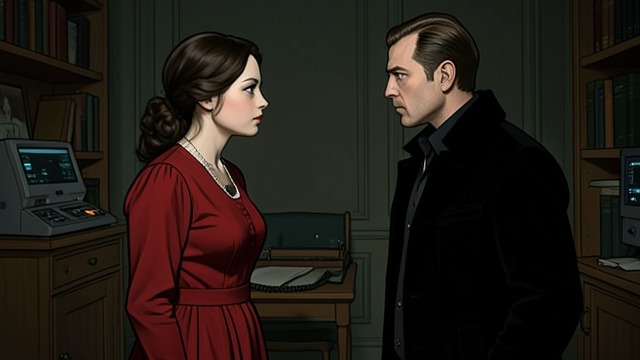
On their later call, the Unnamed English woman says she might write a book about the narrator called Kiss and Tell. She recognizes that doing so would repeat the same act she resents: turning intimacy into a story and exposing another person's private life.
Mutual Complicity
The narrator tells her that she was not identified in his novel, while she answers that his work still draws on their shared experience. Their exchange does not settle who has the greater right to tell the story. Instead, the proposed counter-book reveals their mutual complicity: each has been both a person in the other's life and a possible author of that life.
During the lovers' early discussions of their future
During the conversation about Lonoff's biography
When the narrator's wife reads the notebook
As the narrator and his wife consider publication
During the former lovers' call several years later
