
Exile and the Making of Home
DeceptionThis flow follows the narrator's experience of cultural displacement in England through his growing estrangement and eventual return to a more familiar American Jewish world.
increasing Bearing strength in each event
 decreasing
Bearing strength in each eventdecreasingThe Cultural Explanation
Displacement as a Motive
A Different Kind of Dissatisfaction
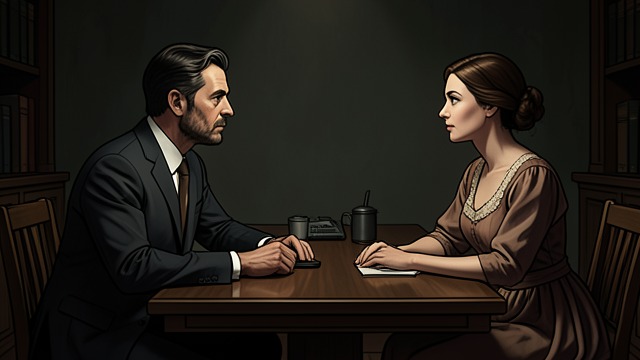
When the Unnamed English woman asks why the narrator's wife is not enough for him, he suggests that his predicament may lie in cultural displacement rather than domestic dissatisfaction. He presents himself as less burdened by the marriage than by his unsettled relation to England.
The Limits of Explanation
The woman challenges the idea that cultural estrangement can explain the affair and asks him to be more specific. His answer remains suggestive rather than conclusive: displacement is something he lives through, not a simple cause that can be separated from desire or marriage. The conversation makes cultural outsiderhood an intimate condition that shapes how he understands his own choices.
The Two Weeks in Prague
The Attraction of an Unfamiliar World
An Accidental Discovery
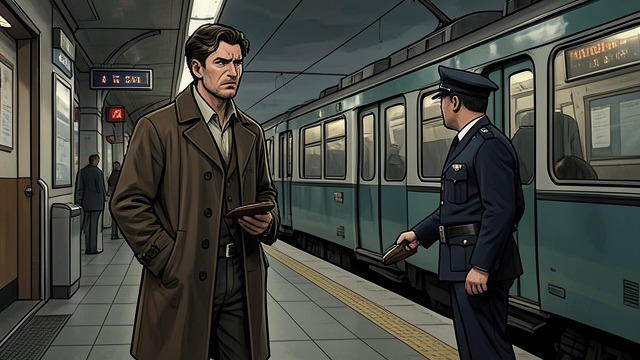
The narrator recalls arriving in Prague after finishing a book and finding that the city held his attention from his first walk. Subsequent visits bring him into contact with writers and with the surveillance and restrictions imposed by the communist authorities.
Curiosity and Risk
He recounts a police stop in 1975 that he escapes by boarding a tram, only to learn later that a friend was questioned about his visits. The story links his attraction to unfamiliar places with the personal risks of entering them. His account also complicates the idea of travel as escape: an outsider may find meaning in a place while remaining exposed to its pressures.
Different Rules of Home
Between Societies
An Unchosen English Life
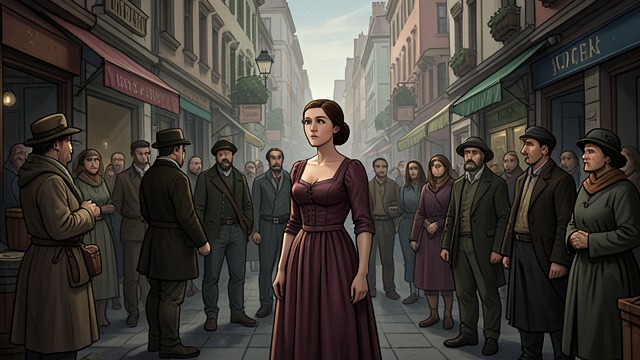
The Czech woman describes leaving Czechoslovakia, marrying an Englishman, and struggling to find work and a place in English society. She had expected rescue and belonging, but ordinary social habits and class barriers leave her feeling that she speaks a different language even when using English.
Misplacement Without Return
She rejects both the suffocating rules she associates with her homeland and the narrow domestic ideal she sees in England. Her sense of being educated but unable to belong economically or socially makes displacement more than homesickness. The account broadens the novel's idea of exile: a person can leave a country and still fail to arrive anywhere that feels like home.
The Road Back to America

Return as Recognition
A Life Reoriented
The narrator tells the Unnamed English woman that he now lives in America for good. He describes taking long walks in New York City and finding himself saying the word home aloud, a recognition that arrives after months rather than at the moment of return.
What England Made Visible
His years in England have sharpened his awareness of the Jewish presence and public energy he had once taken for granted. Returning does not erase the earlier period; it lets him perceive what the experience of exile had concealed. Home becomes legible through contrast, as an everyday cultural environment rather than merely a national address.
The Former Lover's Call
A Conversation Across Distance
The Old Intimacy Resumes
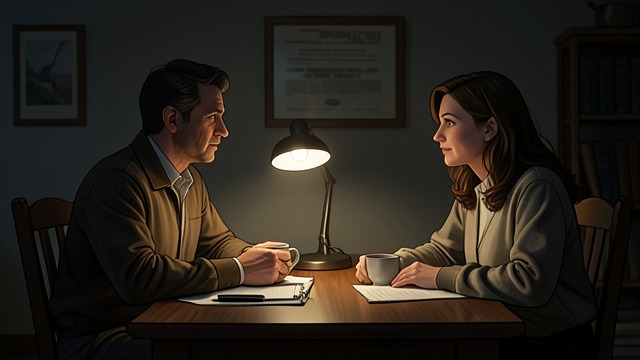
The narrator and the Unnamed English woman speak again after years apart. She tells him that her marriage has improved and that she has another child; he tells her that he has thought about her and about the book that transformed their affair into fiction.
Home Does Not Undo Separation
Their warmth returns without restoring their former shared life. The woman remains in England, while the narrator's sense of home has been renewed in America; their call connects those places through memory and speech rather than reunion. The encounter suggests that belonging is never simply geographical: old attachments can persist across distance even when the lives that formed them have moved on.
During the narrator's middle period in England
During the narrator's recollection of his earlier travels
During the Czech woman's account of her life in England
After the narrator leaves England for good
Several years after the narrator has returned to America
