
The Writer’s Exile and Return
DeceptionThis flow traces Philip Roth’s experience of cultural displacement in England, his sharpened awareness of Jewish identity and antisemitism, and his return to the Jewish life of New York City.
increasing Bearing strength in each event
 decreasing
Bearing strength in each eventdecreasingAn Outsider in London

Living at a Cultural Distance
England as unfamiliar ground
Philip Roth describes his London life as a routine of solitary writing and social events whose codes remain opaque to him. Conversation with the Unnamed English woman helps him observe English manners and domestic assumptions, but the more he listens, the more he recognizes how much he does not understand.
Difference becomes intimate
Their affair brings cultural difference into ordinary talk about marriage, work, class, and national life. The Unnamed English woman sometimes explains England to him and sometimes disputes his judgments, making their connection a source of both access and further estrangement.
The Street Insult

A Moment of Open Hostility
A confrontation in public
While walking in Chelsea with Aharon Appelfeld and his son, Philip Roth encounters a man whose anger appears directed at him. The stranger's complaint that Roth does not dress correctly seems at first obscure, until Roth understands it as an antisemitic demand that he look visibly unlike his English neighbors.
Disbelief compounds the insult
At a dinner afterward, Roth's companions dismiss the incident as the behavior of a madman. Their refusal to recognize its antisemitic meaning leaves him feeling more displaced than the street encounter itself, because the people around him deny the experience he believes he has just witnessed.
Jewishness Under Debate
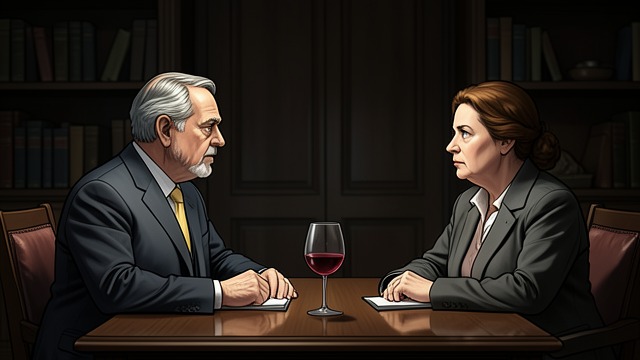
Naming What Others Minimize
Antisemitism and social acceptance
Philip Roth and the Unnamed English woman discuss English attitudes toward Jews, including the difference between established wealthy Jewish families and Jewish behavior regarded as downmarket. Their conversation tests whether social acceptance depends on assimilation, class, or wealth, and whether visibility itself makes Jewish achievement unsettling to others.
A disputed interpretation
The Unnamed English woman offers explanations rooted in English class structure, while Philip Roth resists any account that makes prejudice disappear into mere social awkwardness. Their disagreement reveals a gap between living with a threat and interpreting it from inside or outside the Jewish experience.
The Argument Over Israel

Politics Intensifies Alienation
Dinner-party conflict
Philip Roth describes repeatedly arguing at English social gatherings about Israel and America. He is frustrated by what he sees as selective condemnation, and by conversations that condemn American power while ignoring comparable abuses by political allies elsewhere.
An identity made newly visible
He says that living in England has made him more contentious about being both Jewish and American. The argument with the Unnamed English woman is not resolved by agreement; it clarifies how cultural displacement brings political identity to the surface even when he would rather consider himself outside politics.
The Return to New York

Home Recognized in the Street
A different sense of belonging
After returning to America, Philip Roth takes long walks in New York City and finds himself smiling and saying that he is home. What he had missed becomes clear: the presence of Jews who are outspoken, argumentative, and unwilling to soften themselves for other people's comfort.
Exile in retrospect
He compares that brash public life with the restraint he encountered in England and finds the contrast restorative. His return does not undo the experience of cultural displacement; it gives him a sharper language for belonging and for the parts of himself that England made newly visible.
During Philip Roth's years living and writing in London
Near the end of a summer in Chelsea
After the Chelsea encounter and during later London conversations
During one of their later conversations in London
After Philip Roth leaves England for good
