
The Author’s Search for the Story
DecodedThis thread follows the narrator’s effort to reconstruct Rong Jinzhen’s life from interviews, conflicting memories, and the difficult boundaries imposed by classified history.
increasing Bearing strength in each event
 decreasing
Bearing strength in each eventdecreasingA Long Oral-History Journey

A Long Oral-History Journey
Gathering witnesses
The narrator spends holidays travelling across southern China and interviewing fifty-one middle-aged or elderly witnesses. He accumulates thousands of pages before attempting to write.
A story assembled from lives
The research process makes the narrator aware that the account will depend on memory, geography, and personal testimony. The book’s form reflects the difficulty of recovering a life that its subject could not openly describe.
A Father’s Hospital Story
A Father’s Hospital Story
A visit to a hospice
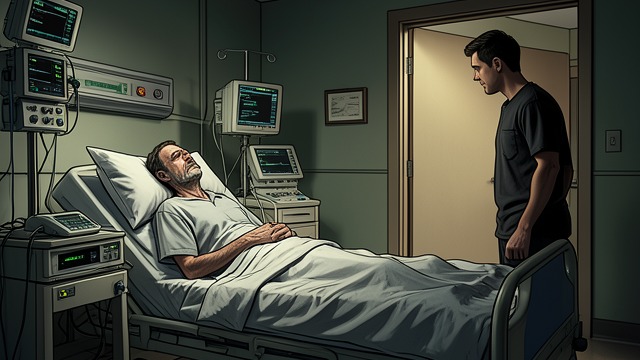
The narrator visits his father in a nursing home after a disabling stroke. Their strained relationship makes conversation difficult until the father begins telling stories about fellow residents.
Jinzhen enters the account
The story of Rong Jinzhen captures the narrator’s attention and gives the novel its first intimate doorway. A personal family visit becomes the beginning of a wider historical investigation.
The Notebook in the Hospice
The Notebook in the Hospice
A plea to a stranger
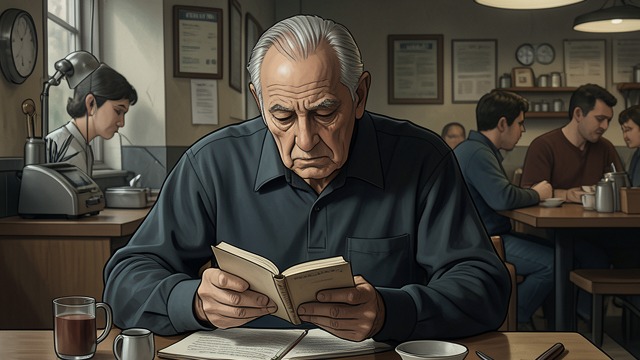
The narrator encounters the elderly Jinzhen in a canteen. Their eyes meet, and Jinzhen approaches him repeatedly asking for his notebook.
An unresolved discovery
The narrator learns that the notebook was found long ago, yet Jinzhen does not know this. The encounter provides an unforgettable image of memory narrowed to one loss and makes the story feel unfinished.
A Visit to Unit 701
A Visit to Unit 701
A guarded compound
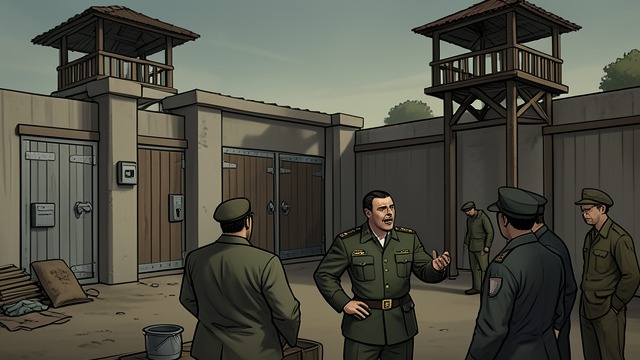
The narrator returns to Unit 701 to check his account, meeting Di Li, Vasili, and other people reluctant to discuss the past. Official secrecy and personal reluctance limit what can be said.
Zheng becomes a guide
Director Zheng examines the narrator’s notes and agrees to share his memories. The account gains a new source, though the narrator learns that even sympathetic testimony may be contradictory or incomplete.
A Story Rewritten by Testimony
A Story Rewritten by Testimony
Contradictions acknowledged
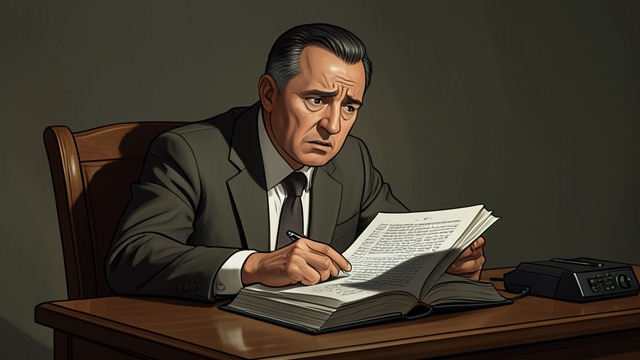
The narrator discovers that parts of his initial account are wrong, including who found Jinzhen after his disappearance. He admits that memory and narrative invention have shaped the earlier chapters.
Truth without completeness
The final testimony from Fan Lili and Yan Shi changes the understanding of Liseiwicz and BLACK. The narrator does not claim total certainty; the book becomes a record of knowledge gained under persistent limits.
two years before the first section is written
winter 1990, in Guangxi
winter 1990, during the narrator’s visit
the summer after the first manuscript sections
during the final research visits
