
The Patz and Magrath Connection
Defending JacobMatthew Magrath’s exploitative relationship with Leonard Patz produces a possible lead in Ben’s murder, but the witness’s own dishonesty makes the truth hard to establish.
increasing Bearing strength in each event
 decreasing
Bearing strength in each eventdecreasingA Prior Complaint
A Prior Complaint
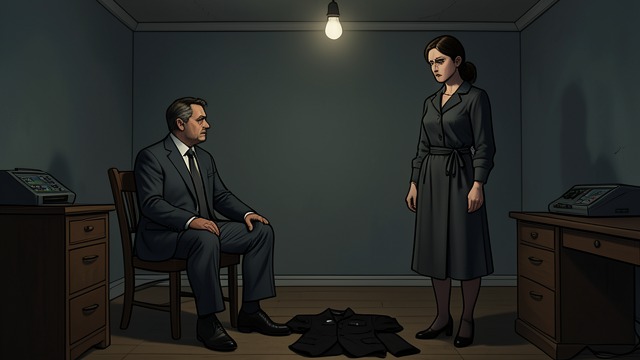
Patz under scrutiny
Patz faces an indecent-assault complaint involving Matthew, a teenager. The case gives investigators a reason to examine Patz when Ben is later murdered near his home.
An unreliable account
Matthew’s complaint is not a straightforward account of victimization. His circumstances and later admissions reveal a transactional relationship built on money, manipulation, and fear of consequences.
Money for Contact
Money for Contact
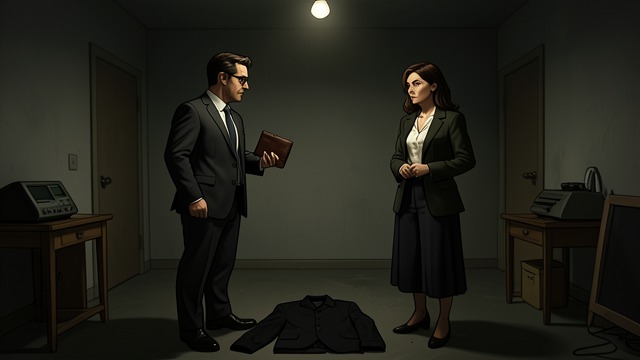
An exploitative bargain
Matthew says Patz paid him to permit sexual touching. Matthew accepts the money, negotiates for more, and later says Patz stopped paying.
A complaint as leverage
Matthew admits he falsely reported a library assault to pressure Patz. His behavior makes him vulnerable to disbelief, even when he later offers information that may be true.
A Boy in the Park

A Boy in the Park
A reported intention
Matthew says Patz spoke of a beautiful boy he hoped to meet in the park, a boy later identified as Ben. He also says Patz carried a serrated fighting knife.
A dangerous lead
If accurate, the account supplies a possible connection between Patz, Ben, the park, and a weapon. But no independent evidence confirms that Patz made these statements or committed the murder.
The Defense Interview
The Defense Interview
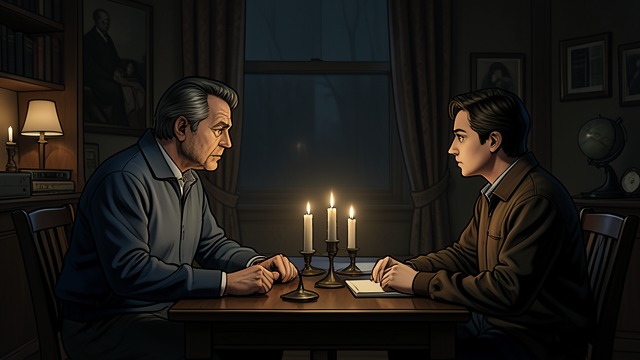
A revelation to Andrew
Matthew tells Andrew that Patz discussed Ben before the murder and says Jacob did not kill him. He admits the earlier complaint was fabricated, making the new account both valuable and suspect.
A witness who may fail
Andrew recognizes that a jury may distrust Matthew. The information gives him a persuasive private theory but not the reliable corroboration needed to displace the state’s case.
The Confession Letter
The Confession Letter
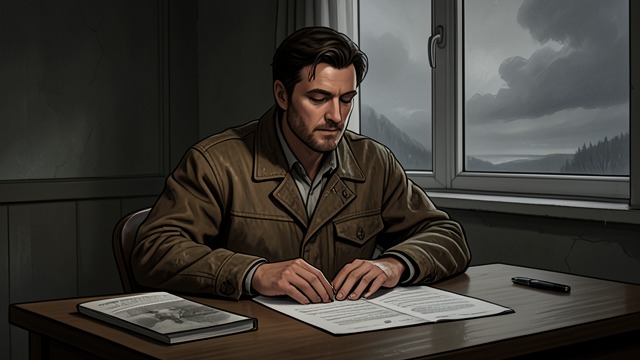
The case turns
After receiving a subpoena, Patz dies by suicide and leaves a confession. The letter gives official force to the possibility Matthew described, though Patz cannot be cross-examined.
A truth without trial
The confession ends Jacob’s prosecution, but it cannot fully repair the harm or provide a courtroom test of every detail. A lead once dismissed becomes decisive only after the suspect is dead.
Before April 2007, in a separate case
Several weeks before Ben’s murder
Before April 12, 2007
Late summer 2007
October 25, 2007
