
Stories That Make Suspects
Defending JacobInvestigators, prosecutors, parents, and jurors rely on narratives to interpret incomplete information, sometimes mistaking a coherent story for established truth.
increasing Bearing strength in each event
 decreasing
Bearing strength in each eventdecreasingThe Case Feels Silent
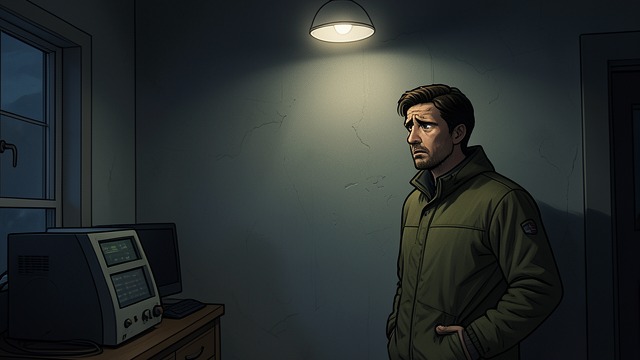
The Case Feels Silent
No signal emerges
Andrew experiences the investigation as unnaturally quiet: no clear suspect, motive, or path through the evidence. The silence itself starts to feel like deliberate concealment.
Narrative fills the gap
His suspicion that someone is manipulating the investigators shows how uncertainty generates stories before facts are complete. The emotional need for explanation is already shaping his work.
Patz as a Story
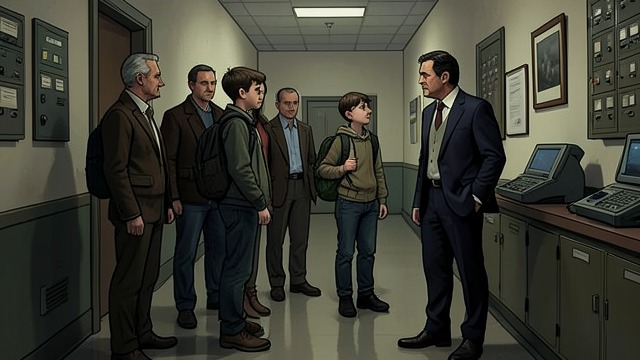
Patz as a Story
A persuasive alternative
Patz’s record, proximity, and reported interest in Ben make him a credible alternative suspect. Andrew increasingly interprets ordinary behavior as proof that Patz is hiding guilt.
Evidence filtered by belief
Andrew warns that investigators choose a suspect and then notice supporting details, yet he becomes vulnerable to the same process. His certainty grows faster than the evidence he can present.
The Prosecution’s Snap
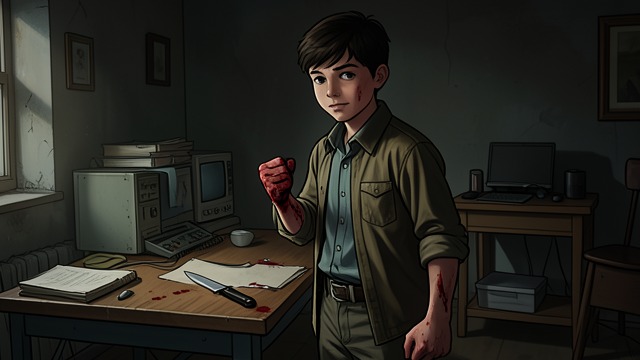
The Prosecution’s Snap
A clean theme
Neal frames Jacob as a boy with a lethal temper who snapped after ordinary teasing. The phrase offers jurors a simple motive and a memorable account of the crime.
Contradictions appear
The opening also suggests planning, a hidden knife, and expert concealment. The story wants to explain both sudden rage and careful preparation, revealing the strain beneath its persuasive surface.
The Defense Counterstory
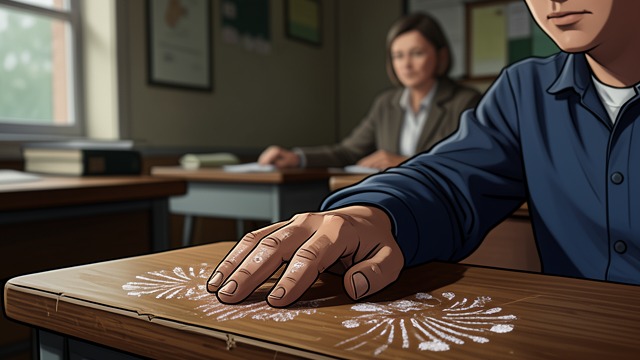
The Defense Counterstory
A different meaning
Jonathan presents Jacob’s fingerprint as the trace of a frightened boy trying to help a classmate. The defense asks jurors to see an error and panic rather than a murderer’s concealment.
Narrative versus burden
The defense story need not prove exactly who killed Ben; it needs to show that the state has not excluded reasonable alternatives. The trial becomes a contest over which interpretation of ambiguous facts feels credible.
The Verdict Never Comes
The Verdict Never Comes
A narrative interrupts trial
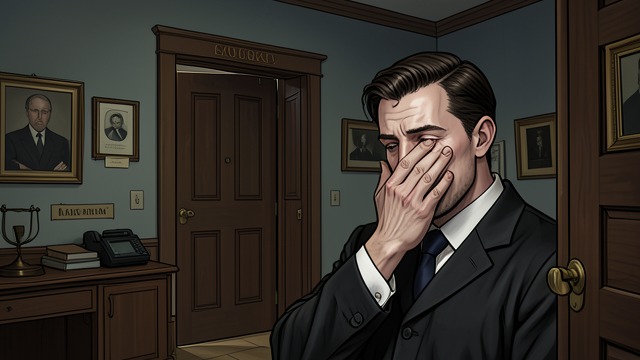
Patz’s confession stops the jury from deciding between the prosecution’s account and the defense’s. The legal system ends the case through dismissal rather than a verdict.
Doubt survives closure
The family can say Jacob was not convicted, but cannot make every observer accept innocence. The novel leaves the reader with competing stories whose emotional force exceeds the certainty the evidence provides.
April 2007, the first five days after the murder
April through summer 2007
Mid-October 2007, opening statement
Mid-October 2007, opening statement
October 25, 2007, after Patz’s confession
