
The Cost of Loyalty
Defending JacobAndrew’s commitment to protecting Jacob repeatedly competes with truth-seeking, professional duty, and the possibility that support may become concealment.
increasing Bearing strength in each event
 decreasing
Bearing strength in each eventdecreasingA Father’s Promise
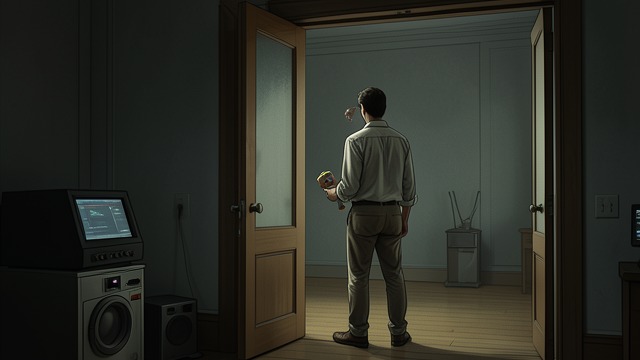
A Father’s Promise
Protection imagined
Andrew sees himself as the father who will keep Jacob safe, unlike the father he barely knew. His certainty that he can control danger shapes his decisions about school and the investigation.
Love becomes a lens
The promise is emotionally sincere, but it encourages Andrew to equate protection with certainty. The more he fears losing Jacob, the harder it becomes to separate what he knows from what he needs to believe.
The Knife Concealed
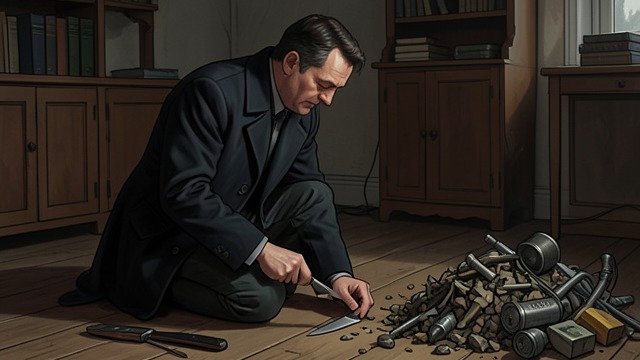
The Knife Concealed
A decision outside the system
Andrew removes and discards Jacob’s knife rather than submitting it for testing. He believes the knife is unrelated and will be misused to make Jacob look guilty.
Loyalty compromises evidence
The act protects Jacob from a dangerous object but also deprives investigators of a chance to examine it. Andrew’s belief in his son becomes a reason to withhold evidence.
The Search Before the Warrant
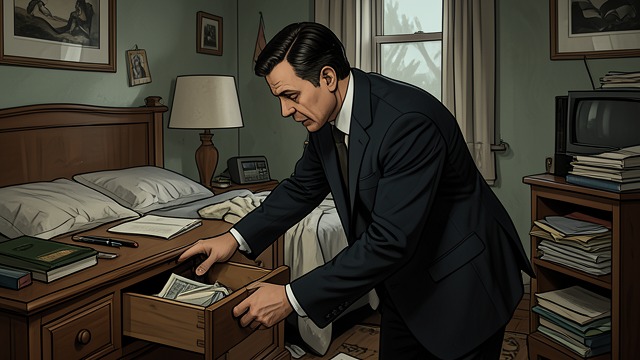
The Search Before the Warrant
A second intervention
After learning Jacob will be arrested, Andrew returns home ahead of the warrant and searches his son’s room for anything incriminating. He tells himself that the justice system is too fallible to trust blindly.
Justice and obstruction blur
Andrew believes he is protecting an innocent child from error. Yet his actions also interfere with a lawful investigation, exposing the moral danger of deciding privately which evidence the state should see.
The Defense’s Hidden Evidence
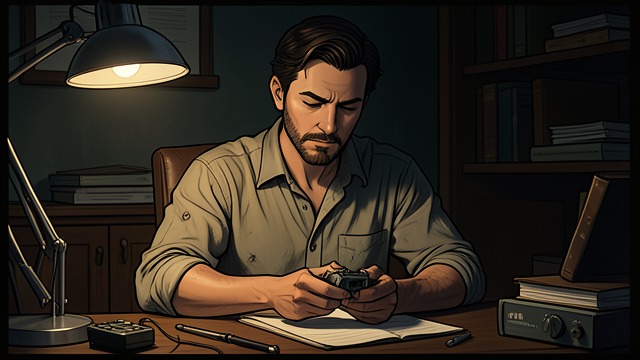
The Defense’s Hidden Evidence
A discovery withheld
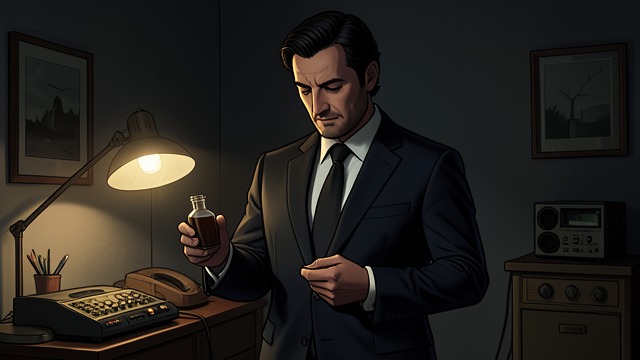
Andrew finds Jacob’s violent story and destroys the iPod that contains access to it. He fears the evidence will be misinterpreted, but does not tell Laurie or the defense team.
Protection deepens isolation
Each concealment makes Andrew more alone and less able to judge the case objectively. The family’s strategy of shielding Jacob begins to damage the trust it is meant to preserve.
The Final Allegiance
The Final Allegiance
Questions about Laurie
Neal asks Andrew what Laurie knew and whether she suspected Jacob. Andrew refuses to speculate about a hypothetical obligation to report a guilty son.
Silence as protection
Andrew’s answers conceal his own uncertainty and protect Laurie from prosecution. His loyalty has become inseparable from withholding, leaving truth and family duty in direct conflict.
April 2007, after Ben’s murder
April 2007, after Andrew searches Jacob’s room
April 2007, shortly before police search the home
Late summer 2007, after Andrew finds the story
April 2008, during the grand jury inquiry
