
Law’s Ritual and Its Limits
Defending JacobThe novel contrasts the solemn rituals of court with the fallibility of evidence, human judgment, and legal categories.
increasing Bearing strength in each event
 decreasing
Bearing strength in each eventdecreasingThe Court as Ceremony
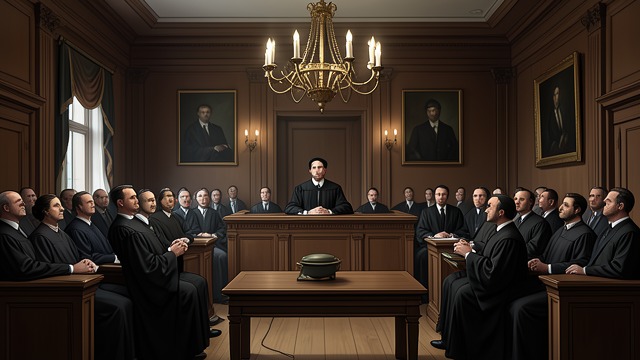
The Court as Ceremony
Ritual without certainty
Andrew does not believe a jury vote reliably discovers truth, yet he values the courthouse’s robes, rituals, and solemn public purpose. The ceremony expresses a collective hope of doing right.
Faith with reservations
The legal system can offer structure even when its conclusions are fallible. Andrew’s position captures the novel’s tension between the need for justice and the impossibility of perfect knowledge.
The Grand Jury’s One-Sided View
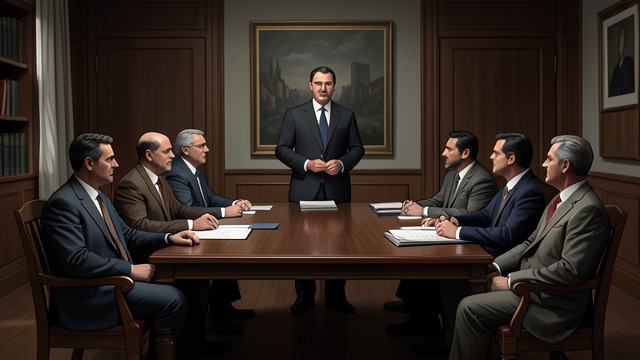
The Grand Jury’s One-Sided View
Prosecutorial control
Andrew describes a grand jury as an investigation without judge or defense lawyer, where the prosecutor directs the presentation. Indictments are common because jurors usually hear only one side.
An institutional irony
The grand jury is meant to check prosecutorial power while depending on the prosecutor to frame the evidence. Its ritual can appear thorough even when its information is structurally incomplete.
A Young Defendant as Adult
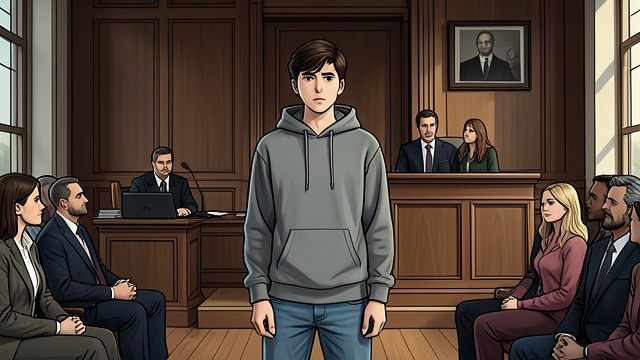
A Young Defendant as Adult
A legal category
Jacob is fourteen but charged as an adult under Massachusetts rules for juveniles accused of first-degree murder. The courtroom treats him as a legal decision-maker despite his age.
Childhood made public
His suit, fear, and awkwardness are read by observers as signs of vanity or guilt. The law’s adult framework cannot prevent the public from judging a child through emotional impressions.
The Burden of Proof
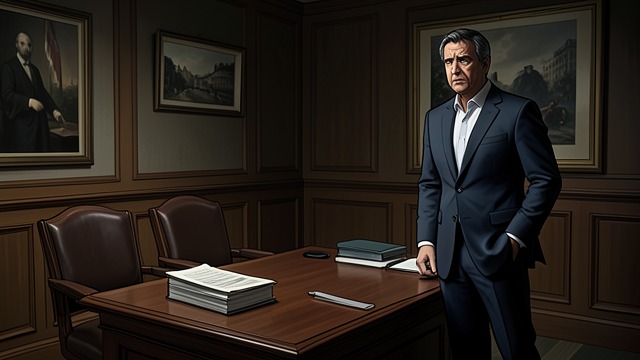
The Burden of Proof
The state must prove its case
Jonathan reminds the family that the defense has no obligation to identify the killer. The prosecution must establish guilt beyond a reasonable doubt.
The jury wants a story
Jurors nonetheless seek a coherent explanation for Ben’s death. The gap between legal standards and human appetite for narrative lets suspicion feel like proof, especially when the defendant is unpopular or unsettling.
Dismissal Without Verdict
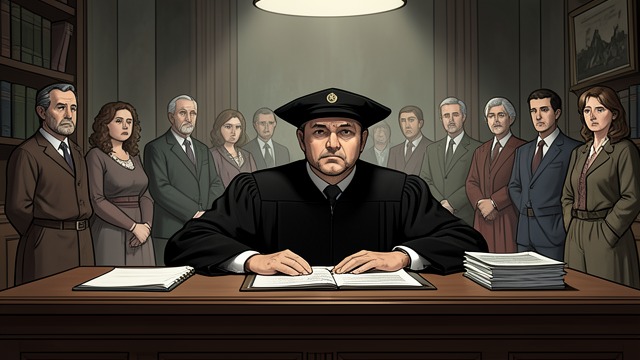
Dismissal Without Verdict
The case ends administratively
The prosecution files a nolle prosequi after Patz’s confession, and the judge declares Jacob free. No jury returns a verdict on the original charge.
Legal closure is not social closure
The dismissal removes the immediate threat of conviction but cannot compel neighbors to believe Jacob innocent. The legal system resolves the case while leaving its moral and emotional consequences unsettled.
April 2008, in Andrew’s grand jury testimony
April 2008, during the inquiry
April 2007, at Jacob’s arraignment
Mid-October 2007, during trial
October 25, 2007
