Cold Spring Park volunteer knife search
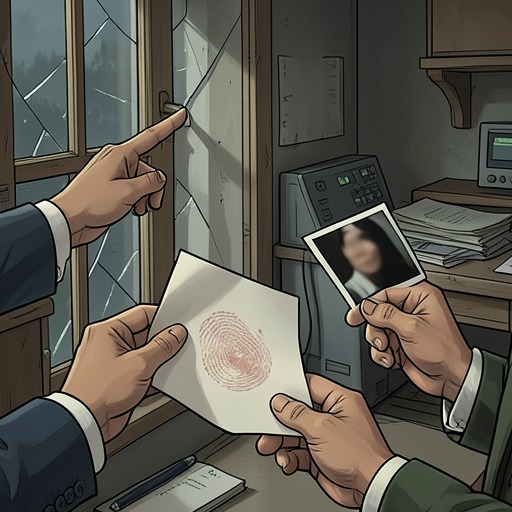
Defending JacobThe Cold Spring Park volunteer knife search was a town-wide effort on Sunday, April 22, 2007, ten days after Ben Rifkin’s murder. Hundreds of residents combed the park for the missing knife, imagining that fingerprints, blood, or another trace might resolve the case. The search briefly offered a way to act amid uncertainty, but the kitchen knife eventually found in the park came with no obvious forensic answer and no confirmed connection to the murder.
Background and Stakes
The search grew out of the investigation’s unresolved need to locate the weapon. For the town, the missing knife had become more than an object: its recovery seemed capable of bringing an end to the waiting and uncertainty that had worn people down. Volunteers expected that physical evidence might unlock the mystery and allow the community to exhale.
That expectation shaped the morning’s purpose. Assembling to search meant that residents could participate in the investigation rather than remain spectators to it. Yet the hope placed on the knife also exposed the limits of what a single discovery could promise: a recovered object might offer evidence, but only examination could establish what it showed.
The Community Search
The volunteers gathered on a raw, drizzly morning at Cold Spring Park. They represented different parts of town: students from McCormick, including some who had been friends with Ben and others from different school groups; young parents; and community organizers. Paul Duffy explained how the search would proceed, after which teams walked across the park and searched assigned sections of the woods.
The effort had a determined, almost relieving quality. People who had been living with uncertainty were finally given something practical to do, and many believed the search would soon settle the matter. Andrew Barber did not take part. His absence distinguishes him from the cross-section of residents who joined the organized effort; the account does not state why he stayed away.
The Knife Is Found
During the search, Duffy came to the back deck of the Barber home and told Andrew that a knife had been found in the park, in mud beside a lake. Andrew responded that he had expected it to turn up and immediately asked whether it bore prints, blood, or anything else of evidentiary value. The report offered a concrete discovery, but not yet an answer.
Duffy said there was nothing obvious on the knife and that it had been sent to the laboratory. He described dried algae covering it like green powder, and identified it as an ordinary kitchen knife. When Andrew suggested that it belonged to Leonard Patz, Duffy did not confirm the identification, answering only that he did not know and that it was possible. The recovered object’s type and location thus became known, while its ownership and connection to the murder remained unresolved in this conversation.
Narrative Significance
The search turns communal hope into a test of evidence. Hundreds of people invest a day’s effort in the belief that one object will end uncertainty; the discovery supplies an object, but its lack of obvious marks and uncertain identity prevent that simple resolution. The scene’s movement is from expectation toward qualified possibility, not from mystery to proof.
The episode also places the investigation’s public and private pressures side by side. The volunteers search assigned parts of Cold Spring Park under Duffy’s direction, while news of the find reaches Andrew at home and prompts him to interpret the knife through his suspicion of Patz. His immediate attribution is not a confirmed fact: Duffy remains cautious, and the laboratory examination is still pending. The search therefore advances the physical inquiry without yet establishing who used the knife or what it can prove.