Go without day
Defending Jacob“Go without day” is the legal phrase that marks Jacob Barber’s release from further proceedings after the prosecution drops the indictment. In the courtroom it closes the case; in the narrative, its stark administrative meaning sits beside a more difficult aftermath in which legal freedom does not restore the family’s former life.
Meaning in the Courtroom
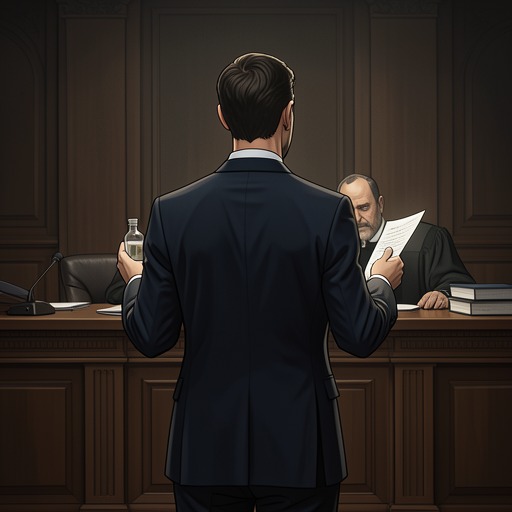
After the judge announces that the indictment has been discharged, the clerk reads the formal order: Jacob is discharged and may “go without day” insofar as the indictment is concerned. The phrase means that no further court days are scheduled for him: he can leave and is not required to return on that charge. The order also permits the previously posted bail to be returned to the surety.
The words are an institutional formula rather than a personal reassurance. The judge has already told Jacob that he is a free man, and the courtroom responds with a cheer as Jacob and his father embrace. The clerk’s monotone recitation then translates that humanly momentous announcement into the language of docket, indictment, and discharge. A file is stamped and put away; the case is over in the court’s records.
A Procedural Ending, Not a Reversal of the Past
The nolle prosequi ends the prosecution without the planned dismissal motion being heard. The phrase “go without day” therefore names a concrete legal consequence: Jacob need not return to court on the indictment. It does not, by itself, establish what happened to Ben Rifkin or resolve the question of Jacob’s guilt. The story’s distinction between release from a charge and certainty about the underlying events gives the formula a narrower meaning than its apparent finality might suggest.
That distinction is sharpened by the contrast between the courtroom’s celebration and the narrator’s later account of life after the release. The day Jacob is exonerated is a “Big Day,” but the ordinary days continue, and the family does not return to normal. They settle into a barren routine, avoid public places where they feel watched, and adjust their daily habits around the consequences of the case. The court can end the proceeding with a short order; it cannot order the social and private aftermath to end with it.
Narrative Significance
The phrase condenses the tension between legal closure and lived time. Its plain meaning is that Jacob may go without another scheduled court day, while the book’s reflection on “Big Days” and the many unremarkable days that follow resists treating a verdict or dismissal as the end of a life story. “Go without day” is final within the boundaries of the indictment, but the family’s experience continues beyond those boundaries.