Joan Rifkin
Defending JacobJoan Rifkin is the wife of Dan Rifkin and the mother of Ben Rifkin, whose murder places her in direct conflict with the Barber family. In a brief restaurant encounter, her grief becomes an unmistakable accusation: she rejects Laurie’s attempt to approach her and calls the Barbers murderers, making the unequal losses between the two families impossible to ignore.
Identity and Background
Joan is described as small and slim, with a pixie haircut and a face that had once been lovely. The narrator recalls meeting her several times before the case, though she never remembered him. Her earlier vivacious, actress-like manner remains visible, but the strain and grief of her son’s death have altered her appearance. The description presents her not as an abstract representative of the Rifkin family, but as a particular person changed by bereavement.
The Restaurant Encounter
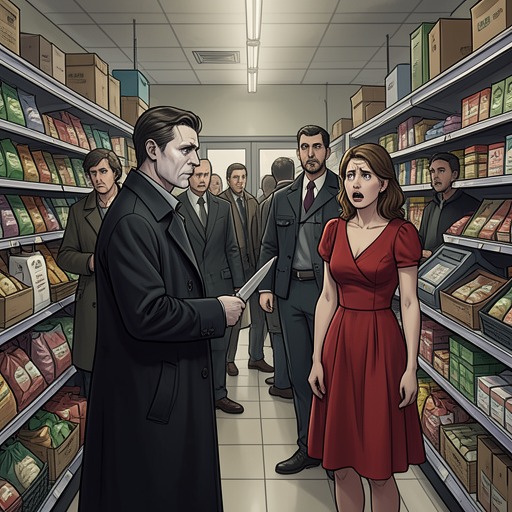
At the restaurant, Joan appears beside Dan as the Rifkins and Barbers find themselves facing one another. The narrator notices how little Dan’s reaction registers outwardly; Joan, by contrast, glares at the Barbers, offended by their presence. The scene’s central imbalance is expressed through the families’ numbers: the Barbers are three, while the Rifkins are two. Jacob is still alive; Ben is gone. The narrator recognizes that Jacob’s continued presence could seem profane to the parents mourning Ben.
Laurie moves toward Joan rather than leaving. She approaches with her hands open, a gesture that might invite contact or convey that she does not know what to say. Joan crosses her arms, while Dan raises an arm slightly as if preparing to keep Laurie back. Laurie begins to address Joan, but Joan spits at her and calls the Barbers murderers. Laurie wipes her face and stands still; Andrew puts a hand on her shoulder.
Grief, Accusation, and Conflict
Joan’s accusation is not presented as a legal finding. It is the expression of a bereaved mother’s anger toward a family whose son is accused in connection with her own son’s death. The scene preserves the force of that anger without pretending the encounter can resolve the case: Joan’s hostility is immediate, while the underlying question of responsibility remains contested.
Andrew describes Joan’s visible hatred but also registers sadness rather than returning it. His account frames the confrontation as a collision between two families shaped by the same death in radically different ways: the Rifkins have lost a son, while the Barbers’ son is present under suspicion. Joan’s brief appearance thus gives the human cost of the accusation a face, while showing how grief and the unresolved case make even an offered gesture of sympathy impossible to receive.