The End Is Never the End
Defending JacobThe End Is Never the End names the book’s refusal to equate a dramatic ending with genuine closure. The phrase gathers together the persistence of grief, the limits of tidy retrospective stories, and the ordinary days that continue after a life-changing event or a case’s apparent resolution.
The phrase and its meaning
The expression appears in a reflection on how people shape lives into stories. A long life contains tens of thousands of days, the narrator observes, but memory concentrates on the relatively few Big Days when something momentous happens. The rest are repetitive and quickly forgotten; looking back, people discard them and organize a shapeless span into a neat narrative. The narrator explicitly recognizes that this account, too, is being shaped into such a story. The closing thought—that “The End” is never the end—therefore questions not only finality but the narrative form that makes events seem to lead cleanly toward it.
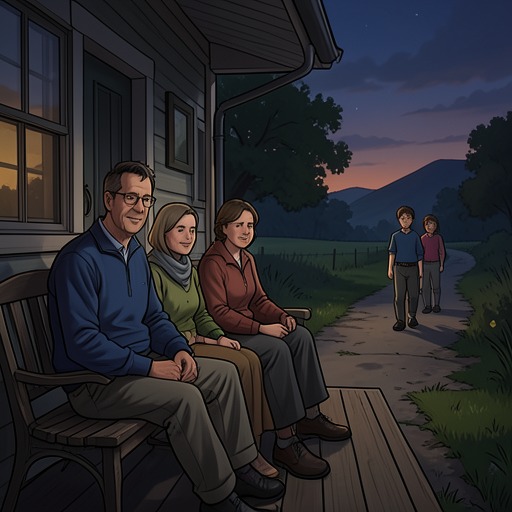
That tension is sharpened by the distinction between Big Days and little days. Jacob’s exoneration is a Big Day, but the little days keep arriving afterward. The legal reversal changes his status, yet it does not restore the family’s old life: the Barbers do not return to normal and have no illusion that they will. They settle instead into a barren routine, going out rarely, avoiding places where they feel watched, and spending much of their time at home. The phrase makes aftermath—not the apparent climax—the test of what an ending can mean.
Grief without a neat resolution
The expression also resonates with Dan Rifkin’s insistence that he has questions beyond evidence and court procedure. He asks why the killer acted and presses for a pattern that might explain which bereaved parents recover, what helps them endure, and what becomes of those who never do. The conversation offers support groups and family as practical help, but it does not supply a definitive answer to the question of recovery. His search for an account of what happens after loss remains open.
An enduring image of Dan gives that unresolved grief a physical setting: alone in a vast, empty field at Cold Spring Park, he crosses the grass with his head bowed and his hands thrust into his coat pockets. The wind repeatedly pushes him off course, and his progress is likened to a small boat tacking upwind. The image does not resolve his sorrow into a lesson; it makes visible the effort and disorientation of continuing through it. Read alongside the later reflection on ordinary days, it links the public story of a murder investigation to the private duration of bereavement.
Narrative significance
The phrase serves as both a thematic claim and a warning about storytelling. A verdict, an exoneration, or the closing of a case can mark a decisive change without bringing psychological or domestic life to a corresponding finish. The narrator’s admission that lives are organized into tidy stories implicates the very account being told: its remembered Big Days offer shape, but they cannot contain everything that follows them.
The expression consequently remains deliberately broader than a single event. It describes the Barbers’ altered life after Jacob’s release and echoes Dan’s unanswered questions, while resisting the claim that either experience can be reduced to a completed arc. The book can identify turning points; it cannot make the unremarkable days disappear, or guarantee that the people living through them have reached an end.