Herbert Nürnberg
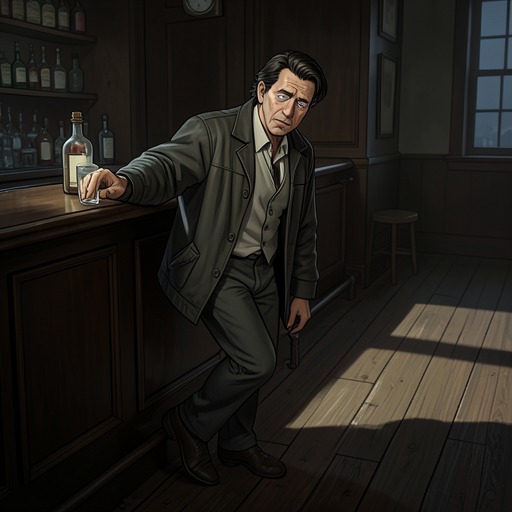
Der goldene HandschuhHerbert Nürnberg, a four-time German and two-time European lightweight champion, is the founder, manager, publican, and proprietor of Zum Goldenen Handschuh. He is part of what draws people to the bar: he is not merely the man behind its counter but one of its principal attractions. His habitual presence gives him authority in a room shaped by drink, exhaustion, and sudden violence, without making him powerful enough to control every disturbance.
Identity and Role at the Bar
Herbert stands behind the counter in person almost every day. He has learned to distinguish among the bar’s difficult regulars and visitors: he can tell a madman from a brawler, a loudmouth from a fighter, and a thief from a murderer. His expertise is practical, acquired in a setting where judging people quickly matters. The narration also presents his knowledge as unusually broad, though it does not make him all-knowing: even he cannot explain why a Wednesday night sometimes fills with excitement and sometimes remains empty.
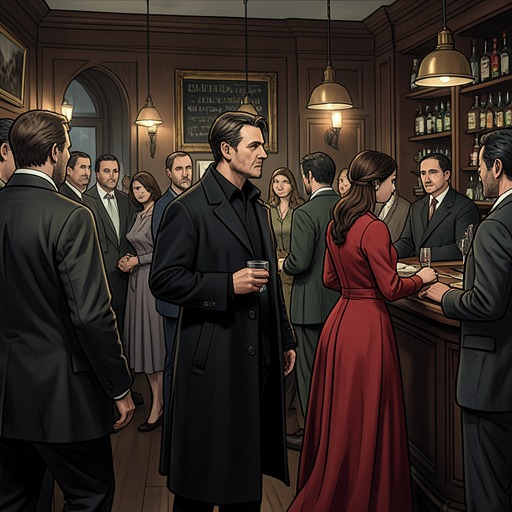
The bar has been open continuously since 1962, every hour of every day of the year. Its front and back rooms contain seven tables in all, with an L-shaped counter to the right of the entrance and toilets in the basement. Herbert’s near-daily place behind that counter makes him a constant amid the bar’s changing population and helps explain why customers come for him as well as for the drinking.
Authority and Everyday Encounters
Herbert’s authority appears in small exchanges as well as in his reputation. When he asks Soldaten-Norbert whether he wants another drink, Norbert responds as though he has not understood. Herbert corrects him sharply, insisting that he ask the question again politely and loudly enough to be heard. The moment is minor, but it shows Herbert setting the terms of ordinary interaction at the counter: his role includes managing manners as well as serving drinks.
His command is not absolute. During a night of successive disturbances, a group of English sailors bursts into the bar and two begin attacking people without warning. The violence escalates; one assailant uses brass knuckles, and a regular is left with his jaw badly injured. Herbert cannot overcome the attackers’ numerical advantage. The men are eventually restrained with difficulty by their companions and caught two streets away. The episode places his everyday authority against the brute force of a crowd: he may know how to read the room, but that knowledge cannot by itself stop an outbreak of violence.
Narrative Significance
Herbert anchors the bar as both a business and a social environment. Its round-the-clock schedule gathers people who might otherwise have nowhere to go, while its fixed counter and familiar proprietor give their encounters a recurring setting. His boxing titles and personal presence lend him distinction, but the scenes do not turn him into an all-powerful guardian. He can assess the people around him and correct a customer’s behavior; faced with a sudden attack by several men, he is unable to control events. That contrast makes him a credible center of the bar’s world: established and observant, yet subject to the disorder on which that world is built.