
A Lonely Household Learns to Welcome Parvati
DevdasThis subplot traces how Parvati Chakravarty turns an isolated, grieving household into a family and then negotiates the limits of her generosity.
increasing Bearing strength in each event
 decreasing
Bearing strength in each eventdecreasingA House Without a Mother

A Vast and Quiet House
An empty inheritance
Parvati Chakravarty enters a mansion whose wealth is immediately visible, but whose inner rooms feel deserted. Bhuvan Chowdhury has money, servants, and a large estate; what he lacks is the company that once made the house feel like a family home.
His children are not all present to welcome their new stepmother. Yashoda remains away, and the household’s grandeur cannot disguise the distance between its members. Parvati must step into a role for which she is young, yet already expected to provide steadiness.
A new place in the family
Mahendra Chowdhury approaches Parvati with the formal respect due a mother and asks for her blessing. She answers without coyness or hesitation, accepting the relationship as a real responsibility rather than a title imposed by marriage.
That welcome begins Parvati’s work of making the household less lonely. Her arrival does not erase the family’s losses, but it gives its members someone willing to notice what is missing and to act on it.
A Husband’s Quiet Loneliness
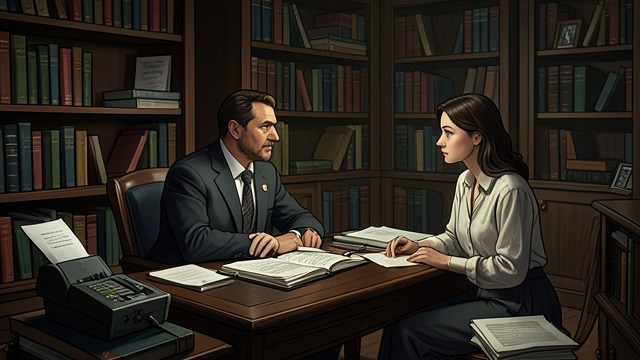
Bhuvan’s Grief Surfaces
A marriage beside the loss
Bhuvan Chowdhury continues his established routines after marrying Parvati Chakravarty. He attends to estate affairs, religious observances, and guests, while the new marriage initially brings little conversation or change to his days.
The household’s emptiness is not simply a matter of rooms without occupants. Bhuvan recalls a former life filled with his wife, children, and shared noise, and speaks of that lost domestic world as if it still surrounds him.
Parvati makes room for feeling
Parvati listens rather than demanding that her husband perform the part of a newly married man. When Bhuvan becomes anxious about whether his daughter will return, Parvati promises to help bring Yashoda home and treats the estranged daughter as her own.
The promise gives Bhuvan a reason to hope that the family may gather again. His blessing of Parvati is not a declaration that their marriage has overcome its differences; it is gratitude for her willingness to care for what he has lost.
Yashoda’s Return
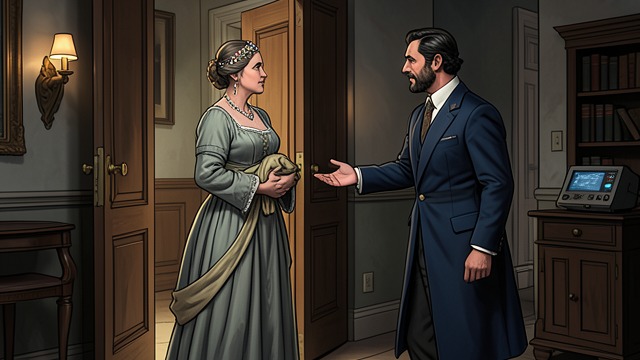
A Stepdaughter Comes Home
Resentment at the threshold
Yashoda has reason to feel displaced by her father’s new marriage, and Mahendra Chowdhury expects that she may refuse his invitation. Parvati does not answer this distance with a demand for obedience; she instead helps create an occasion for Yashoda to return without having to surrender her pride first.
When Yashoda arrives, she has prepared accusations and grievances. Seeing Parvati adorned in the household’s jewels unsettles that rehearsed confrontation, but the first moment of surprise does not itself resolve the tension between them.
Kinship through generosity
Parvati leads Yashoda to a private room, welcomes her as a daughter, and removes her own ornaments to place them on the older woman. The gesture reverses the expected hierarchy: the new bride refuses to use her status as leverage and makes the returning daughter feel that she still belongs.
Yashoda responds by asking forgiveness and later chooses to remain at her father’s home. Her return eases Bhuvan Chowdhury’s loneliness and establishes that Parvati’s influence in the family will rest on practical kindness rather than authority alone.
Generosity Becomes a Household Practice
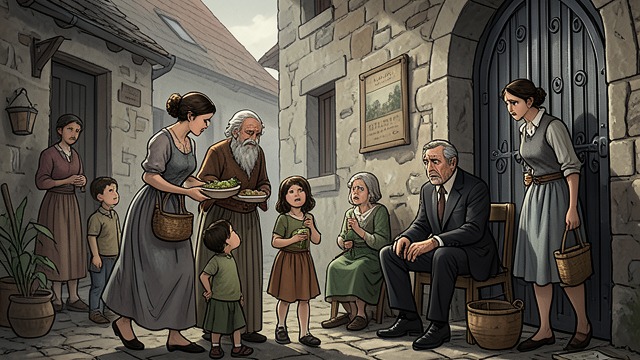
Care Beyond the Inner Rooms
A wider household
Once the immediate family has begun to gather around her, Parvati Chakravarty extends her attention beyond the mansion. She supports local children, serves sick and elderly people, and persuades Bhuvan Chowdhury to provide guest rooms where homeless visitors can stay.
Her care reflects the way she has made space for Yashoda: help is not reserved for people who have already earned a place in the household. The mansion’s resources become a means of answering needs that the established family routines had left unattended.
A conflict over limits
Parvati also gives financial help privately, using the allowance she receives from her husband. The estate’s servants notice rising costs, and Jaladbala warns Mahendra Chowdhury that his stepmother’s charitable spending may threaten the savings expected to support the next generation.
Mahendra rejects an attack on his mother, but Parvati takes the criticism seriously. She hears Jaladbala out, acknowledges that she has not tracked the expenditure, and reduces the scale of her giving. The episode does not end her compassion; it makes her reckon with the household obligations that accompany it.
A New Balance of Care
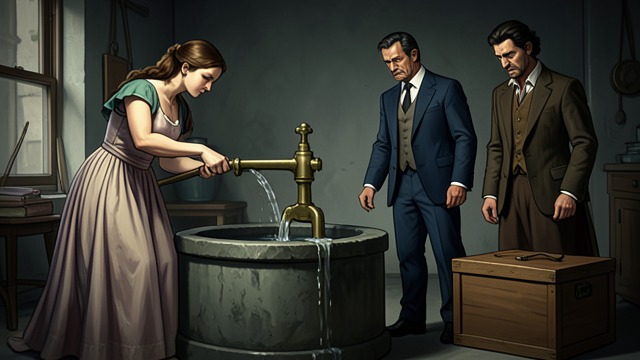
Charity Reconsidered
A generous life under scrutiny
After Jaladbala raises concerns about the estate’s expenses, Parvati Chakravarty curbs her open-handed hospitality. Some people who had relied on the guest rooms and the household’s extensive assistance can no longer receive the same level of care.
The reduction costs Parvati part of the purpose she had built for herself in her married home. Yet she does not answer the conflict by treating Mahendra’s wife as an enemy or by insisting that her generosity matters more than the family’s future.
Bhuvan’s different measure
Bhuvan Chowdhury asks whether the household is actually out of money and remains inclined to use his wealth for good deeds. Parvati counters that provision for the children also matters, and that charitable giving can pause without disappearing forever.
Her answer holds two duties in tension rather than pretending that they are easily reconciled. The household has become more welcoming through her efforts, but its charity must now live alongside questions of inheritance, expenditure, and responsibility to its members.
On Parvati Chakravarty’s arrival at Hatipota
During Parvati Chakravarty’s first month at Hatipota
Several weeks after Parvati Chakravarty joins the household
After Parvati Chakravarty settles into family life at Hatipota
After Jaladbala’s objection to the household spending
