
Parvati’s Love as an Act of Courage
DevdasThis thread follows Parvati Chakravarty’s willingness to speak, risk shame, and offer care, even as social custom and Devdas Mukherjee’s indecision prevent their attachment from becoming a shared life.
increasing Bearing strength in each event
 decreasing
Bearing strength in each eventdecreasingThe Midnight Appeal
A deliberate crossing
Asking for a future
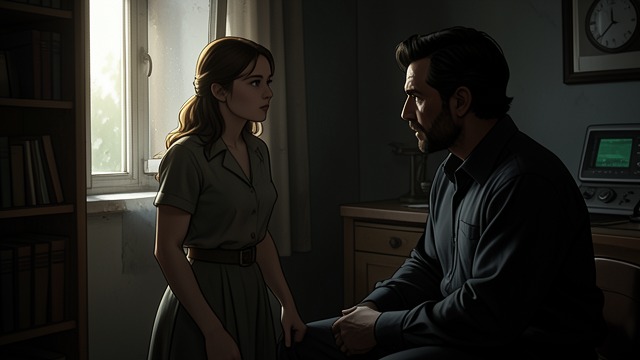
Parvati Chakravarty leaves home alone in the middle of the night and enters Devdas Mukherjee’s room. She has come to ask him to marry her, knowing that her parents and his parents oppose the match and that discovery could stain her reputation.
Devdas is shaken not only by her arrival but by the risk she has taken. Parvati tells him that she is not afraid of disgrace if he will shield her, and that she would rather face the consequences than surrender without asking.
The limit of his courage
Devdas considers defying his parents but cannot bring himself to commit. Their conversation lasts until dawn, when he escorts Parvati home, hoping that a public discovery might force a solution. The intimacy of the night gives way almost immediately to uncertainty.
Parvati’s act is a declaration of love and agency; his response is hesitation. Their different capacities for risk begin to shape the painful imbalance between them.
Rejection in a Letter
A written retreat
Reasons and excuses
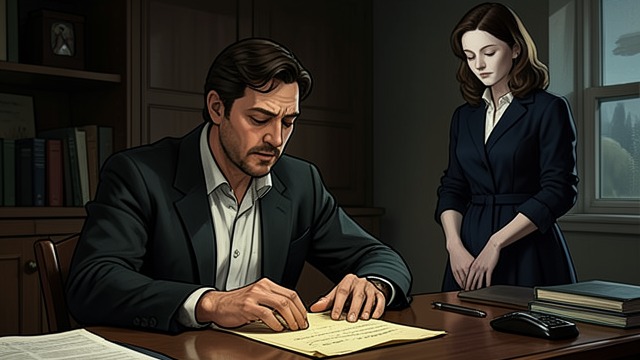
Parvati receives a letter in which Devdas Mukherjee says his parents oppose the marriage and admits that he cannot wound them by disobeying. He also invokes the difference in their family standing and tells Parvati that he has never felt a deep sorrow for her.
The letter is cruel in its conclusions but also reveals his confusion. He has written from the position of someone trying to end a difficult choice before he fully understands what the choice means to him.
The words cannot be recalled
After posting the letter, Devdas begins to fear the pain it will cause. He remembers Parvati at his feet and wonders whether his refusal could destroy her, but that dawning concern cannot take back what he has sent.
The distance between them is now carried by a document: Parvati must receive a decision made in her absence, while Devdas recognizes his attachment only after he has acted against it.
The Brow’s Last Mark

Pain as remembrance
An argument at the river
Devdas returns to Talshonapur and tells Parvati that he has come back for her. Parvati challenges his confidence, insisting that he cannot treat her future as settled after having first rejected her and then failed to secure the marriage with her parents’ consent.
Her words wound his pride, and he strikes her with a fishing rod, opening a gash from her hairline toward her left eyebrow. The violence is both a terrible rupture and, in Devdas’s own explanation, a mark meant to preserve the memory of their final meeting.
Silence before marriage
Devdas binds Parvati’s wound and asks her not to reveal what happened. She hides the truth from her family, though the injury remains visible and becomes part of the history she carries into marriage.
Parvati’s secrecy does not erase her love; it protects Devdas even when he has hurt her. Her choice reveals a lasting tenderness entangled with the pain of being unable to trust him with her future.
Care After the Wedding
A love without a household
The new wife’s responsibilities
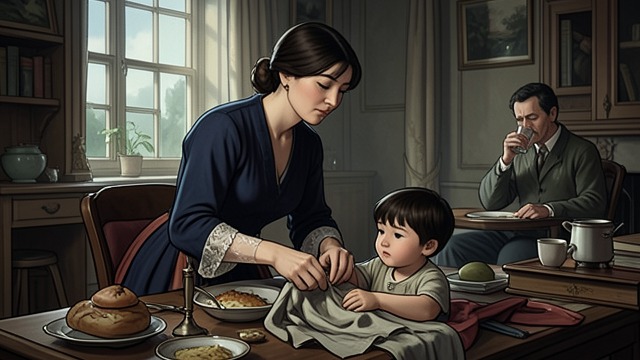
Parvati becomes the mistress of Bhuvan Chowdhury’s large household and takes on the care of his children. She works to bring his estranged daughter Yashoda home and treats her with generosity, building relationships in the family that has become her daily life.
Her capacity for care is genuine, but it does not resolve the old attachment. Parvati’s private thoughts still return to Devdas, even while she gives attention and practical kindness to the people around her.
A concealed meeting
After Narayan Mukherjee’s death, Parvati visits Devdas privately and learns how much he has been drinking. She asks him to stop, offers to care for him, and even asks whether he will run away with her that night.
Devdas cannot accept the offer. Parvati leaves without the promise she wants, and the scene makes plain that her marriage has given her a place in the world but no power to undo the choices that separated them.
The Journey That Misses Him
Love becomes a rescue attempt
Leaving to bring him back
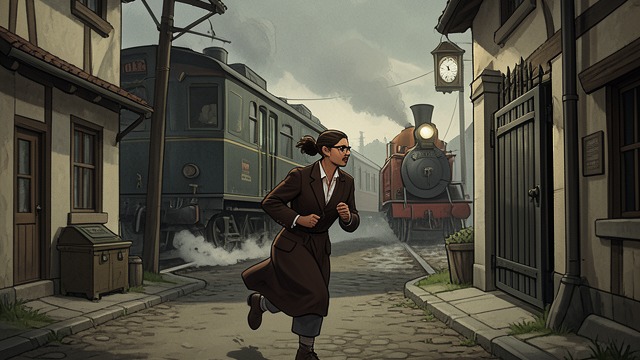
When Manorama reports that Devdas is wasting away, Parvati Chakravarty immediately arranges a journey to Talshonapur. She tells Mahendra Chowdhury that she means to take Devdas home because no one is looking after him.
Parvati refuses the suggestion that she should feel ashamed: she believes she is going to reclaim something rightfully hers. Her love has shifted from hoping for a marriage to trying to save the life of someone she still regards as deeply connected to her.
The empty arrival
By the time Parvati reaches Talshonapur, Devdas has already left for Calcutta. She returns to Hatipota without finding him, and the attempt to bring him back becomes another meeting prevented by timing rather than willingness.
When Devdas later reaches Hatipota dying, Parvati is not told in time to see him alive. Her desperate rush toward his body confirms the depth of her bond but cannot give it the longed-for final conversation.
The night before Devdas leaves for Calcutta
Several days after Devdas leaves for Calcutta
In the days before Parvati’s wedding
Several years after Parvati’s marriage
After Parvati receives Manorama’s letter about Devdas’s decline
