
Devdas as an Open Metaphor
DevdasThis thread traces how Devdas’s indecisive, self-destructive life becomes a flexible metaphor for love that cannot be fulfilled and is repeatedly reimagined by readers and storytellers.
increasing Bearing strength in each event
 decreasing
Bearing strength in each eventdecreasingChildhood Claims
Childhood Claims
An Intimacy Without a Name
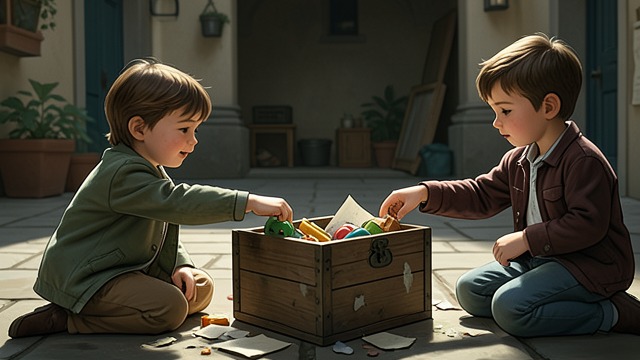
Devdas Mukherjee and Parvati Chakravarty grow up as inseparable companions. Their bond is expressed through shared games, quarrels, and habits rather than through a settled idea of romance.
Parvati’s familiar address, Dev-da, carries the affection of childhood into their later lives. The name preserves intimacy even as the two begin to occupy different social and emotional worlds.
A Story Before Its Meaning
The early bond gives the later tragedy a history that neither character can simply dismiss. What becomes an impossible love begins as an ordinary attachment embedded in daily life.
The contrast between that unguarded childhood and their adult uncertainty helps the story exceed a conventional romance: the loss includes a familiar way of belonging, not merely a marriage that never occurs.
The Unanswered Proposal
The Unanswered Proposal
A Direct Appeal
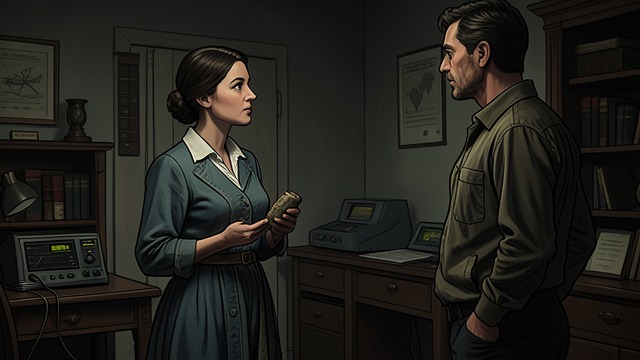
When Parvati comes secretly to Devdas, she places her future in his hands and offers to bear the consequences of choosing him. Her courage gives the novel’s central attachment a decisive moment, but Devdas cannot answer it with equal resolve.
He recognizes that his parents oppose the match and hesitates before the social and familial costs. Parvati’s appeal therefore exposes not a lack of feeling alone, but the gap between feeling and action.
The Metaphor Takes Shape
The encounter makes love inseparable from refusal, shame, and lost time. Parvati asks for a shared life; Devdas can only remain inside the conflict until the moment for choosing has passed.
The relationship begins to function as more than a private courtship. It becomes a pattern in which emotional recognition arrives too late to alter what the characters have allowed to happen.
The Wound as Memory
The Wound as Memory
Violence at the Parting
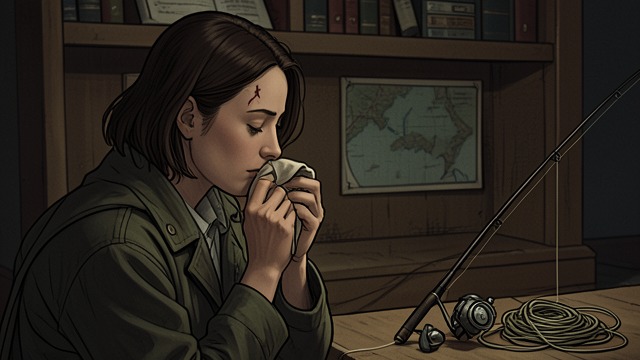
During their final meeting before Parvati’s wedding, Devdas wounds her above the left eyebrow with a fishing rod. The act is impulsive and cruel, yet he describes the resulting scar as a mark of their last meeting.
The violence does not repair their relationship or create a future together. Instead, it turns an otherwise passing encounter into a physical reminder that Parvati carries into married life.
A Private Sign
The mark gathers contradictory meanings: injury, intimacy, shame, and remembrance. Parvati later treats it as evidence of a love that remains precious to her, while Devdas has no power to make that meaning into a life they share.
The scene shows how the novel makes small, tangible details carry an emotional history larger than their immediate cause. The wound becomes one of the story’s enduring images of love surviving as memory rather than fulfillment.
Two Loves Beside Him
Two Loves Beside Him
A Divided Imagination
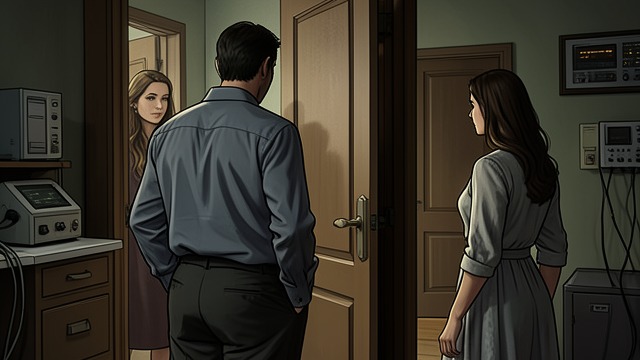
As Devdas travels away from Calcutta, Parvati and Chandramukhi increasingly occupy his thoughts in relation to one another. He imagines them side by side, despite the differences between their social positions and their ways of loving him.
His attachment to Parvati remains marked by regret and distance. His bond with Chandramukhi grows through her patience and care, but he cannot turn that care into a secure or publicly recognized future.
The Metaphor Widens
The two women make Devdas’s story less like a simple triangle of rivals and more like a study of different forms of attachment. Parvati embodies a love bound to their shared past; Chandramukhi offers a devotion that persists in the present.
Devdas’s inability to inhabit either relationship fully sustains the story’s central tension. His life becomes legible as the experience of having love near him while remaining unable to make a home within it.
A Metaphor Rewritten
A Metaphor Rewritten
A Death Without Reunion
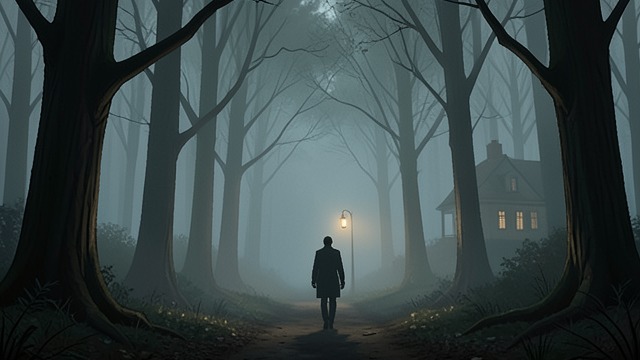
Devdas reaches Hatipota too late to meet Parvati. He dies outside her household, and the physical proximity of the final journey cannot undo the distance created by earlier choices.
The ending asks readers to feel pity for a man whose death is lonely and uncared for, rather than to admire him as a triumphant romantic hero. His significance rests partly in his failures and in the compassion his suffering solicits.
An Adaptable Story
The novel’s sparse, suggestive treatment leaves space for audiences to bring their own experiences of unfulfilled love to Devdas’s story. Its emotional pattern can endure even when a later retelling changes emphasis or detail.
That openness helps explain why the character can become a metaphor beyond the events of this particular life. The story closes with Devdas’s death, but the image of love, loss, and self-destruction remains available for new interpretations.
During the childhood years in Talshonapur
On the night Parvati visits Devdas before her marriage is arranged
Shortly before Parvati’s wedding
During Devdas’s journeys after leaving Calcutta
In the novel’s closing reflection
