
Family Status and Marriage
DevdasThis thread follows how household rank and financial custom shape the marriage choices of Devdas Mukherjee and Parvati Chakravarty, turning private affection into a conflict governed by social standing.
increasing Bearing strength in each event
 decreasing
Bearing strength in each eventdecreasingUnequal Households
Unequal Households
Neighbours, Unequal in Rank
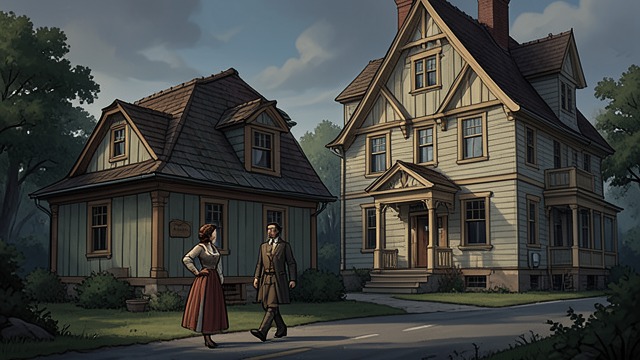
Parvati’s family lives beside the wealthy Mukherjee household, but proximity does not erase the social difference between them. Her father, Nilkantha Chakravarty, belongs to a trading family, a status Devdas’s parents regard as an obstacle to an alliance.
The childhood closeness of Devdas and Parvati therefore develops inside a community that does not treat affection as sufficient reason for marriage. Family reputation and rank have power even before the young people understand the terms being imposed on them.
The Cost of Recognition
Parvati’s grandmother cautiously raises the possibility of marriage, but Devdas’s mother points to the difference in status and the shame she fears from marrying a neighbour’s daughter.
The refusal makes the social boundary intimate: it determines not only whom the families will accept, but whether Parvati’s attachment can be recognized as a legitimate future. The first obstacle is built into the household order rather than created by a rival suitor.
Bride Price and a Daughter
Bride Price and a Daughter
A Marriage Market
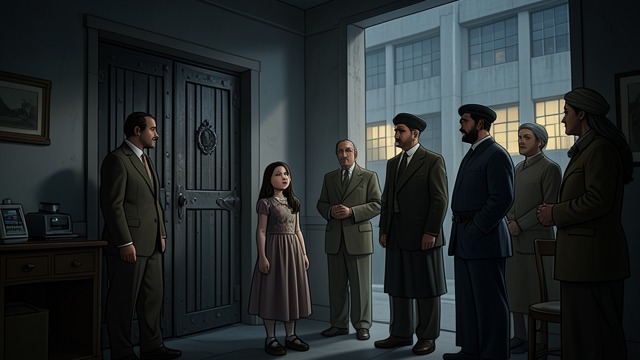
As Parvati reaches adolescence, her family begins looking for a husband. The customary arrangement brings a bride-price for a daughter’s marriage, while the family needs money for the marriages of its sons.
Nilkantha rejects the idea of treating Parvati as a source of income. Yet the custom still shapes the household’s choices, and a wealthy widower’s offer carries a substantial financial attraction for relatives who are reluctant to oppose it.
Personal Wishes Under Pressure
Parvati’s mother has privately hoped that her daughter might marry Devdas. Once the proposed alliance with the Mukherjees is ruled out, that hope collides with the marriage market and with Parvati’s limited authority over her own future.
The episode shows how financial custom and social rank work together. Parvati’s beauty and attachment to Devdas do not give her family the power to ignore the economic arrangements surrounding marriage.
The Rejected Match
The Rejected Match
Consent Withheld
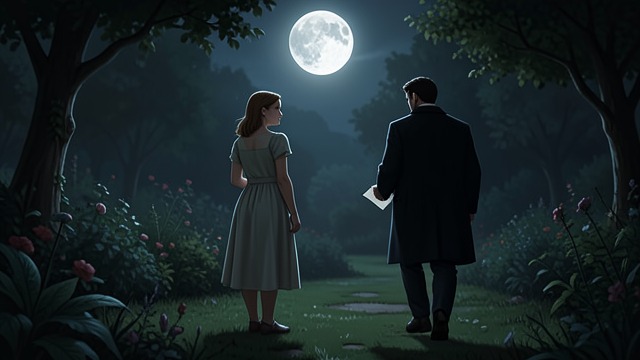
After Parvati comes to Devdas at night, he briefly considers defying his parents. The next day he leaves for Calcutta rather than securing a marriage that his family opposes.
His letter cites both parental resistance and Parvati’s family status. The language makes clear that the rejection is not simply a decision about affection: the social hierarchy has become a reason Devdas uses to retreat from the consequences of choosing her.
A Private Bond Exposed
Parvati’s willingness to endure disgrace cannot itself defeat a system in which the families control marriage arrangements and public recognition. Devdas’s failure to stand with her leaves her exposed while he still has the relative freedom afforded to a son in a powerful household.
The refusal converts a family boundary into an emotional rupture. What might have been a dispute between households becomes the enduring separation at the heart of both characters’ lives.
A Marriage of Security
A Marriage of Security
A Wealthy Household
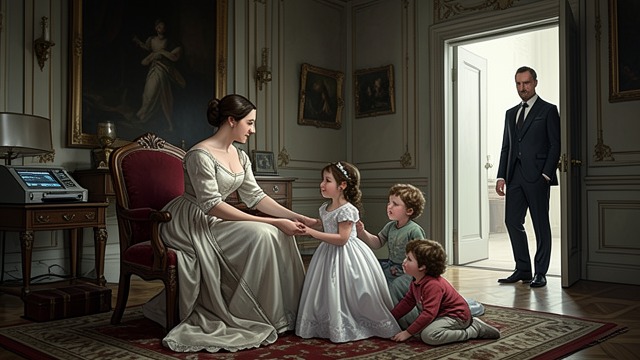
Parvati marries Bhuvan Chowdhury, a much older widower and wealthy landholder. The alliance provides material security and a respected place in a large household, but it is not the marriage she had hoped for with Devdas.
Her husband’s age and the household’s established customs sharply contrast with the childhood world she has left. Parvati meets the new life with composure and begins to assume the responsibilities of a wife and stepmother.
A Role She Makes Her Own
Rather than remain merely a sign of the match arranged for her, Parvati becomes an active presence in the household. She welcomes Bhuvan Chowdhury’s children and helps bring his estranged daughter Yashoda back into the family.
Her capacity to build care within this marriage does not cancel the earlier loss. It shows instead that a life shaped by unequal marriage customs can still contain agency, generosity, and relationships that Parvati forms for herself.
A Home That Cannot Be Shared
A Home That Cannot Be Shared
A Belated Invitation
After Narayan Mukherjee’s death, Parvati visits Devdas and urges him to stop drinking and come to her home. She imagines caring for the person she has loved, and he accepts her promise in a moment of grief.
Her offer reveals that she possesses a household, resources, and the ability to provide practical shelter. Yet those advantages cannot straightforwardly turn their private attachment into a socially acknowledged partnership.
The Boundary Persists
Devdas later recognizes that Chandramukhi can nurse him but cannot give him public respectability. Parvati, by contrast, is the respectable wife of another man, and the old barriers continue to determine what forms of intimacy can be openly lived.
The story does not resolve its social conflict through wealth or affection. Its characters can offer one another care, but the terms of marriage and reputation prevent that care from becoming a shared, recognized life.
During the families’ early discussions of marriage
When Parvati is about thirteen
After Parvati’s secret visit to Devdas
On the day Parvati marries Bhuvan Chowdhury
After Parvati offers Devdas refuge following his father’s death
