
Chandramukhi Rebuilds Her Life as a Village Benefactor
DevdasThis subplot follows Chandramukhi from her decision to leave her former livelihood through her transformation into a trusted neighbor whose generosity binds her to Ashathjhuri.
increasing Bearing strength in each event
 decreasing
Bearing strength in each eventdecreasingA Changed Room
The Former Life Falls Away
Signs of withdrawal
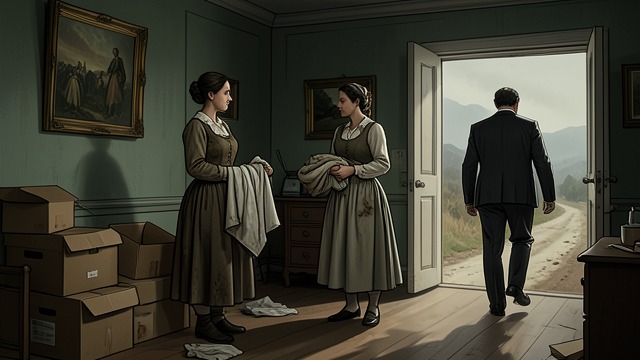
When Devdas Mukherjee finds Chandramukhi again, the room that once displayed the comforts of her profession is nearly bare. She has sold her ornaments and furniture, left the paintings with her maid, and allowed ordinary signs of upkeep to fade.
Chandramukhi explains that she has turned away a wealthy suitor and stopped receiving clients. Her choice has left her with limited savings and unpaid rent, so leaving her old life has not brought immediate security.
A decision already made
Her wish to see Devdas before moving away exposes the personal feeling behind her changed circumstances, but she does not ask him to restore her former household or make her respectable in the eyes of society. She asks instead where she might go and how she might live independently.
Devdas gives her money and tells her to make arrangements. Chandramukhi accepts the help without surrendering her own decision: she intends to leave the old business and find a quieter life on her own terms.
A Home in Ashathjhuri
A Humble Independence
Building a modest life
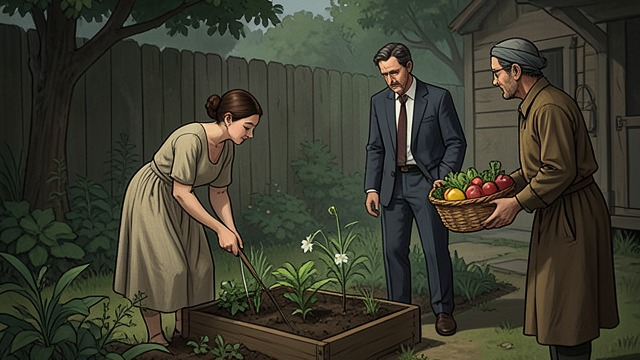
Chandramukhi settles in a small, plain house in Ashathjhuri, far removed from the rooms she once occupied in Calcutta. The home has few comforts, but she keeps its yard clean, tends its surroundings, and establishes a daily life distinct from her former work.
The move makes independence tangible but not effortless. Chandramukhi must live within limited means, and the village is a place of farmers and working families rather than the social world she knew before.
A neighbor becomes a lender
When Devdas sends money, Chandramukhi does not spend it simply to reproduce her old comforts. She lends small sums to villagers who need help, asks no interest, and does not press borrowers who cannot repay her.
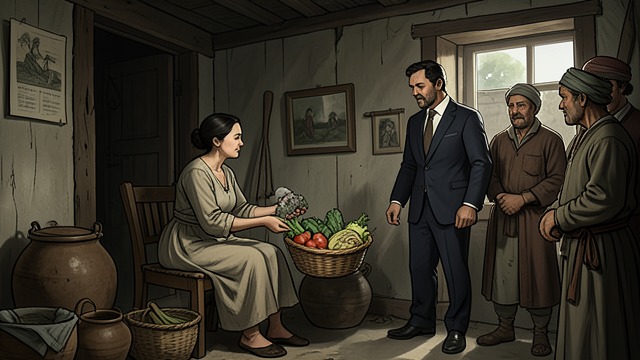
The exchange creates a local form of trust. Neighbors bring vegetables, milk, or grain when they can, and return to Chandramukhi in hard times. Her new home becomes a place where assistance is offered without the humiliation of a creditor’s demands.
The Village Calls Her Mother
Care Takes Root
Practical help in difficult seasons
The villagers increasingly treat Chandramukhi as a dependable benefactor. They ask her to pray for a good harvest, but they also come to her when taxes or poor crops leave them short of money.
Her response is practical as well as affectionate: she gives what she can, knowing that some loans will never be returned. Her generosity is sustained by the funds Devdas has sent, but its meaning comes from the trust she builds in the village.
Belonging through service
Chandramukhi’s neighbors call her “Mother,” a name that marks a relationship formed through repeated acts of help rather than formal kinship. She has moved away from a life in which men treated her presence as a paid service, and now people depend on her for care that carries no such price.
That transformation is not a simple escape from vulnerability. Her resources remain limited, and she recognizes that the village’s needs may exceed what she can provide. Even so, Ashathjhuri gives her a community in which her presence is valued for what she freely offers.
A Search Across the Fields

Concern Crosses Distance
Silence becomes alarming
Chandramukhi’s letters to Devdas go unanswered, and registered mail comes back undelivered. The silence unsettles the life she has made in Ashathjhuri because his condition remains a serious concern and the money he once sent has helped sustain both her independence and the villagers’ loans.
Rather than wait for news that may never arrive, she asks Bhairav how far Talshonapur lies from the village. Learning that it is close enough to reach on foot, she decides to go and find out what has become of Devdas.
A painful report
At the estate, Chandramukhi disguises her immediate purpose by claiming that she has come about unpaid taxes. The household’s mistress tells her that Devdas is drinking heavily, wasting his inheritance, and living precariously in Calcutta.
The report turns anxiety into urgency. Chandramukhi does not remain in the village to protect the life she has built; she returns to Calcutta, prepared to search for a man whose condition may soon leave no time for help.
The Benefactor Leaves Her Village
A Community’s Farewell
Leaving the life she made
Before leaving Ashathjhuri, Chandramukhi tells Bhairav that she may not return. She places her house and remaining possessions in his care, an act that makes clear how much of her life has become rooted in the village.
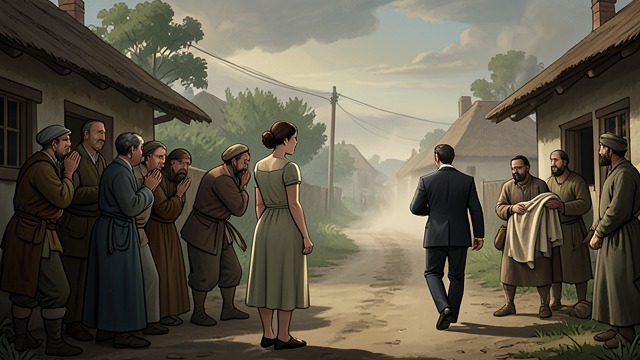
The villagers gather when she sets out and weep at her departure. Their grief confirms that Chandramukhi has become more than a temporary benefactor: she is someone whose companionship and practical help have altered the community’s expectations of care.
The cost of loyalty
Chandramukhi is moved by the villagers’ attachment, but her concern for Devdas outweighs the security and affection she has found in Ashathjhuri. She leaves despite knowing what the journey may cost her and without certainty that she will locate him.
Her departure does not erase her village years. Those years reveal a life reorganized around generosity and self-determination, even as her final choice draws her back toward the man whose well-being has remained a powerful claim upon her.
When Devdas Mukherjee returns to Chandramukhi’s house after his father’s death
After Chandramukhi settles in Ashathjhuri
During Chandramukhi’s second year in Ashathjhuri
After six months without news from Devdas
The morning Chandramukhi departs for Calcutta
