
Manorama as Parvati’s Friend and Witness
DevdasThis subplot follows Manorama’s friendship with Parvati Chakravarty from intimate conversations about marriage to the letter that prompts Parvati’s journey home in search of Devdas.
increasing Bearing strength in each event
 decreasing
Bearing strength in each eventdecreasingA Childhood Friend Nearby
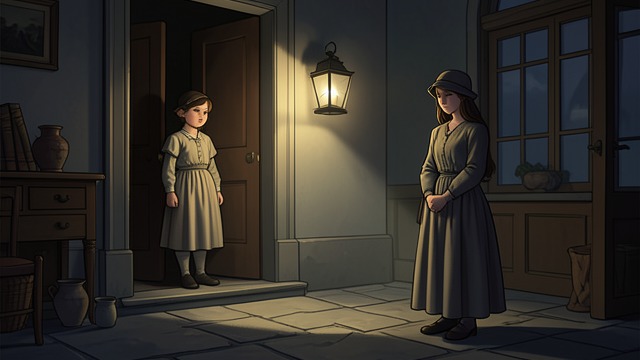
Friendship at the Edge of Play
A companion outside the household
Manorama is somewhat older than Parvati Chakravarty and belongs to the small circle of companions Parvati can visit when Devdas Mukherjee is away. Their friendship gives Parvati a social connection beyond the intense routine she shares with Devdas in the village.
When Parvati visits Manorama’s house, she discovers that her friend has gone to school while she herself no longer attends. The difference prompts a moment of conversation, but it does not dissolve their closeness or turn friendship into rivalry.
The life ahead comes into view
Manorama’s presence introduces Parvati to another girl’s experience of education, marriage, and family expectations. Their conversations offer Parvati a place to encounter those subjects before her own marriage becomes imminent.
The friendship will later provide a listener for Parvati’s most private declarations. Manorama cannot decide Parvati’s future, but she becomes one of the few people who can witness the determination behind her choices.
Marriage Talk and a Secret Claim
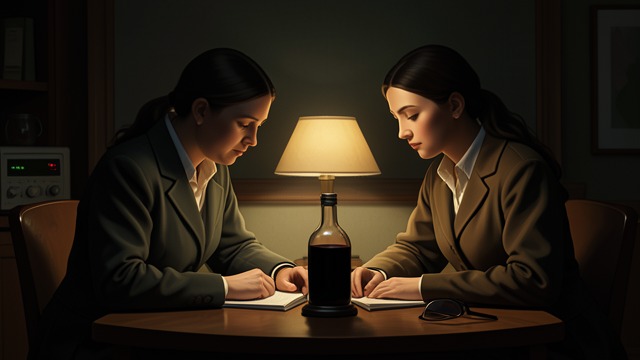
A Confession Disguised as Play
A conversation about husbands
As Parvati Chakravarty’s family arranges her marriage, she and Manorama talk about husbands and choice. Manorama describes a marriage she did not choose but says she has not suffered because she did not dislike her husband.
Parvati answers through a private joke: she tells Manorama that her intended husband is Devdas, then insists that she has not heard that her family’s arrangement is settled. Her words allow her to voice the claim she feels without yet facing what Devdas himself will say.
Courage without certainty
Manorama struggles to understand Parvati’s meaning and eventually asks whether she will speak directly to Devdas. Parvati says she will ask if he intends to marry her, and she refuses the idea that such directness should be shameful.
Her resolve alarms Manorama because it crosses the expected boundary between a young woman and a man. The exchange shows why Manorama matters as a confidante: she may not fully understand Parvati’s reasoning, but she is present to hear a decision that Parvati cannot easily voice elsewhere.
A Friend Watches the Wedding
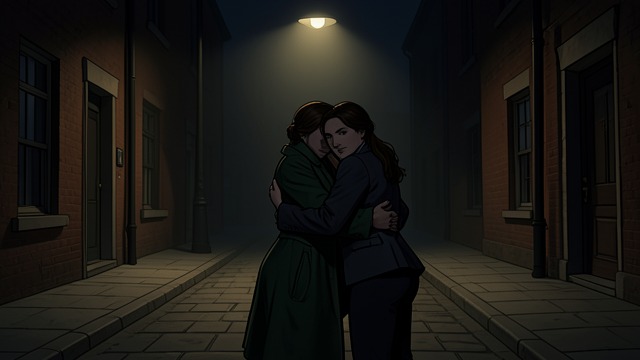
A Farewell Before Marriage
The last wish
After Devdas wounds Parvati before her wedding, Parvati asks Manorama to bring him to her once more. She says she wants to touch his feet before leaving for her husband’s home, a request that makes the impending separation newly immediate.
Manorama hears the request without being able to undo the circumstances that have made it necessary. The wedding is proceeding, and Parvati’s attachment remains private even as it shapes the emotional meaning of her departure.
The burden of knowing
The two friends embrace and cry together before Parvati leaves. Manorama’s role is not to offer a solution but to stay beside her while she acknowledges the loss she is about to carry into another household.
That moment establishes Manorama as a witness to the life Parvati cannot openly share with her family. She will remember the depth of Parvati’s feeling long after the marriage ceremony ends and the friends live apart.
The Letter from Talshonapur
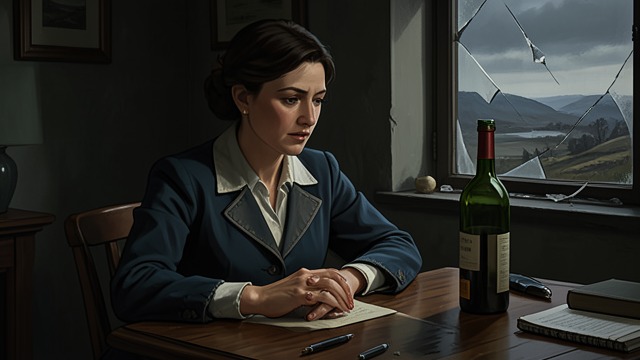
News Reopens the Past
A renewed correspondence
After a long silence, Manorama writes to Parvati Chakravarty and admits that their failure to keep in touch belongs to both of them. She shares ordinary news before turning carefully to the subject she knows may hurt her friend.
The letter reports that Devdas has come to Talshonapur and is living in a disastrous condition. Manorama describes his drinking, his wasted inheritance, and the visible deterioration of the young man she once knew.
Concern becomes a summons
Manorama tells Parvati that she may have been fortunate not to marry Devdas, but she also recognizes that the report will reopen Parvati’s grief. Her letter is neither a command nor an invitation; it is a painful act of disclosure from someone who does not want her friend to remain ignorant.
Parvati receives the news as more than gossip about an old acquaintance. The account of Devdas’s isolation makes her resolve to return to Talshonapur, where she hopes to find him and bring him into a home where someone can care for him.
The Meeting That Comes Too Late
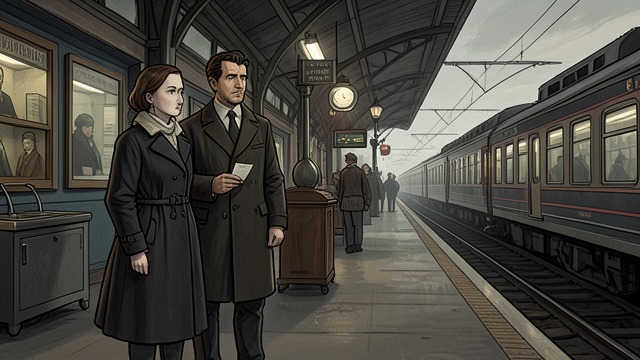
A Journey Set in Motion
Parvati explains her purpose
After reading Manorama’s letter, Parvati Chakravarty arranges to travel to Talshonapur with Mahendra Chowdhury. She tells him that if she dies on the journey, he should perform her last rites, revealing the urgency and risk she attaches to the decision.
When Parvati arrives, Devdas has already left for Calcutta. Manorama asks whether she came to see him, and Parvati clarifies that she meant to take him home because no one there is caring for him.
A claim that friendship can hear
Manorama warns that Parvati has no recognized relationship that would make such a claim seem acceptable. Parvati admits that her words arise from thoughts she has carried since she first learned to think, and she does not disown their force merely because the world cannot validate them.
The visit fails to reunite Parvati with Devdas, but it completes Manorama’s role as the friend whose letter moves concern into action. Their exchange makes visible a loyalty that survives distance, marriage, and years of silence, even when it cannot change the outcome.
During Parvati Chakravarty’s childhood in Talshonapur
Shortly before Parvati Chakravarty’s marriage is arranged
On the eve of Parvati Chakravarty’s departure for Hatipota
Several years after Parvati’s marriage
The evening Parvati returns to Talshonapur after reading Manorama’s letter
