
Status Barriers to Marriage
DevdasThis thread traces how family rank turns a childhood attachment into a rejected marriage proposal, then leaves Parvati Chakravarty and Devdas Mukherjee to live with its consequences.
increasing Bearing strength in each event
 decreasing
Bearing strength in each eventdecreasingChildhood Beside the Estate

Unequal Neighbors
A bond before its meaning
Parvati Chakravarty and Devdas Mukherjee grow up as close neighbors, sharing games, escapes from school, and the unselfconscious familiarity of children. Their households are physically adjacent, but their social positions are not: Devdas belongs to the wealthy zamindar family, while Parvati’s family has far fewer resources.
The difference does not yet obstruct their companionship. Its importance emerges only when adulthood makes marriage a question of family standing. The ease of their childhood therefore becomes a measure of what social hierarchy will later deny them.
Proposal Rejected on Status
Rank Becomes a Barrier
A proposal behind veiled words
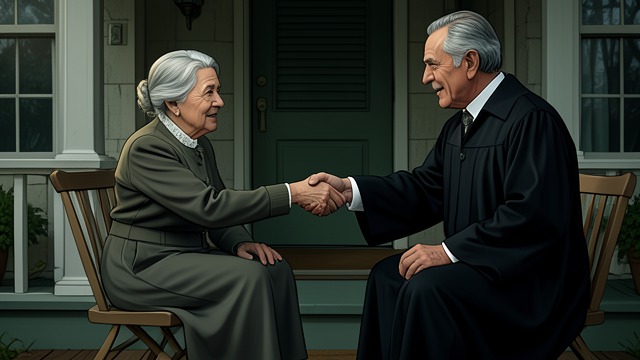
As Parvati Chakravarty reaches marriageable age, her grandmother cautiously raises the possibility of joining her to Devdas Mukherjee. Devdas’s mother recognizes the affection between the young people, yet explains that the family will not take a bride from a trading household next door.
Narayan Mukherjee agrees that such a match would compromise family prestige. The refusal exposes the force beneath polite conversation: affection is not treated as a sufficient reason to cross class and status boundaries. The adults’ decision gives the childhood bond a deadline without giving either young person a say in setting it.
A Secret Appeal
A Private Challenge
Parvati risks her reputation
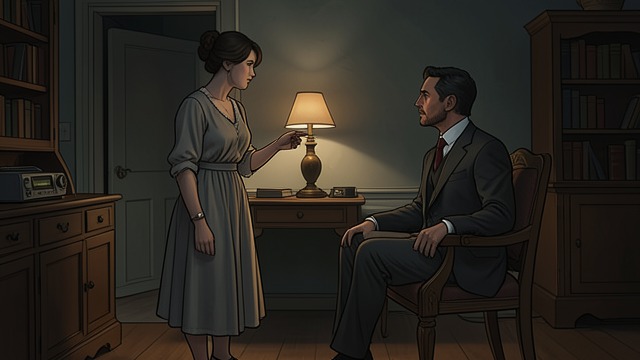
After learning that her marriage may be arranged elsewhere, Parvati Chakravarty goes alone to Devdas Mukherjee’s room in the middle of the night. She asks him to accept her, placing her trust in a marriage that her family and his parents have not approved.
Her appeal directly challenges the rules that make a woman’s secret visit dangerous while allowing a man greater freedom from lasting disgrace. Devdas recognizes the risk she has taken, but he cannot bring himself to oppose his parents. Their private meeting becomes a test of whether personal attachment can withstand family authority, and he does not pass it.
A Letter That Closes the Door

Rejection by Letter
Family authority prevails
Devdas Mukherjee leaves for Calcutta and writes to Parvati Chakravarty that he cannot wound his parents by going against their wishes. He also cites her family’s lower standing and his mother’s objection to a match between neighbors, turning inherited prejudice into a rationale for his retreat.
The letter does not merely repeat the family’s refusal: Devdas adds that he has never felt a great love for her, even as he worries about the pain his words will cause. The contradiction makes the rejection especially damaging. He offers neither a shared future nor a clear account of his feelings, leaving Parvati to confront the consequences alone.
Marriage Beyond His Household
A Marriage Made Elsewhere
The status barrier holds
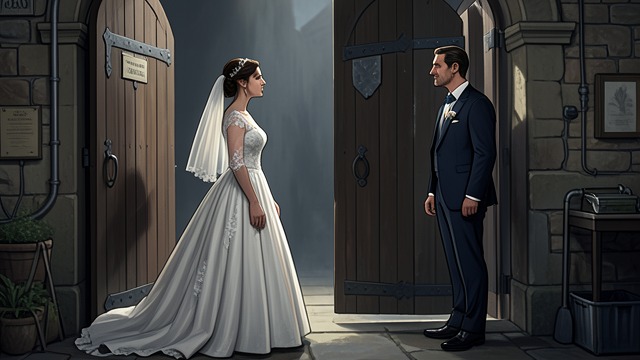
Devdas Mukherjee returns to Talshonapur after realizing that his letter has not expressed what he truly feels. By then, Parvati Chakravarty’s marriage to Bhuvan Chowdhury is proceeding, and her earlier proposal cannot simply be revived as though his hesitation had caused no harm.
The wedding confirms the lasting power of the decision made by Devdas’s family and hers: a personal bond has been displaced by an alliance arranged under social and economic pressures. Parvati enters a new household, while Devdas remains outside it. Their separation is thus neither a single misunderstanding nor an unavoidable fate alone; it has been produced by decisions made in the name of rank, obedience, and respectability.
early childhood in Talshonapur
when Parvati Chakravarty is about thirteen
the night before Devdas Mukherjee leaves for Calcutta
several days after the nocturnal visit
days after Devdas returns to Talshonapur
