
Devdas’s Hesitation and Its Consequences
DevdasThis thread follows the conflict between Devdas Mukherjee’s sudden impulses and his inability to sustain decisive action, from his youthful defiance to the promises he cannot fulfill.
increasing Bearing strength in each event
 decreasing
Bearing strength in each eventdecreasingEarly Impulsive Violence
Impulse Before Reflection
A familiar pattern
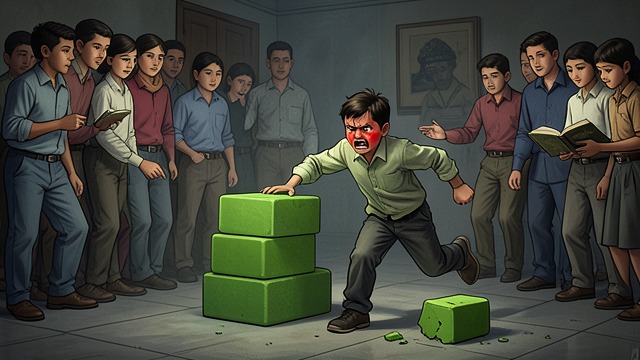
As a boy, Devdas Mukherjee acts quickly and thinks afterward. At school he pushes the class monitor into a stack of lime and runs away; in the bamboo grove he strikes Parvati Chakravarty when she will not fetch water for him.
These scenes establish a recurring difficulty: affection and anger coexist in him, but affection does not reliably restrain his conduct. The childhood incidents are not equivalent in consequence to his later choices, yet they introduce the pattern of forceful action followed by belated awareness that shapes his adult conflicts.
A Promise to Stay
A Promise Easily Broken
Defiance meets parental authority
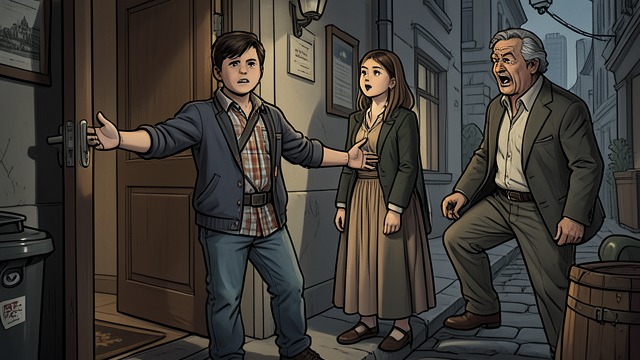
When Devdas’s family decides to send him to Calcutta for his education, he tells Parvati Chakravarty that he will never go. She accepts the reassurance because she believes no one can force him to leave.
His father’s scolding and persuasion nevertheless prevail, and Devdas departs with Dharmadas. The episode shows that his confident declarations are not the same as sustained resistance: when challenged by family authority, he yields. That gap between what he says and what he does will become much more consequential when Parvati asks him to choose her.
The Rejection Reversed Too Late
The Cost of Reversal
Recognition after decision
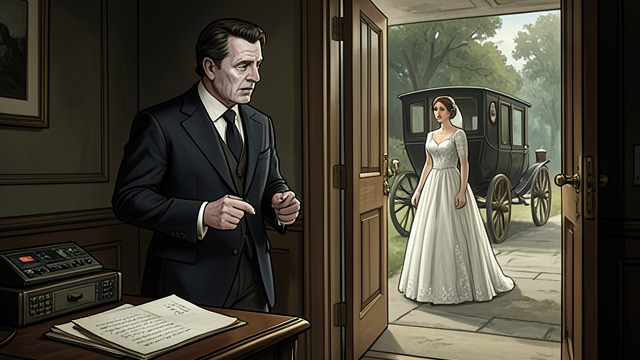
After sending Parvati Chakravarty a letter that rejects marriage, Devdas Mukherjee begins to feel the force of what he has done. He worries that his words may wound her and questions why his parents’ concern for status should determine another person’s life.
He then rushes back, ready to seek marriage, but discovers that Parvati’s wedding arrangements have advanced. His feelings change after his action has set events in motion. The reversal reveals the central limitation of his will: he can recognize the right choice when its consequences are already difficult to undo, but recognition does not restore the lost opportunity.
The Wound as a Final Gesture
Anger Takes Physical Form
A failed attempt to control the ending
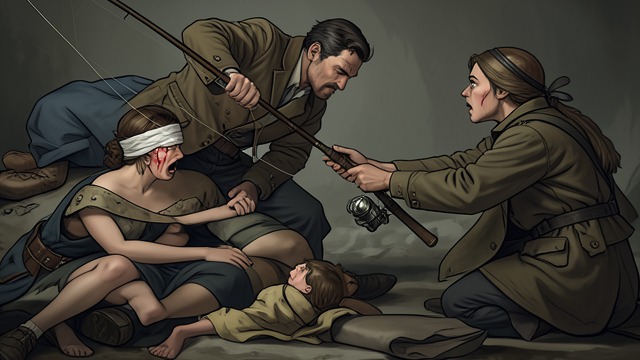
During a tense conversation by the river, Parvati Chakravarty accuses Devdas Mukherjee of being unreliable and says she no longer trusts him. He responds not with a clear defense or an attempt to repair their relationship, but with a blow from his fishing rod that cuts her brow.
He then bandages her wound and insists that it is a mark to remember their last meeting. The swift movement from violence to tenderness captures the instability of his response: he harms Parvati in anger, then tries to give the injury a meaning that he can control. His gesture cannot reverse her marriage or make his earlier hesitation harmless.
A Promise Deferred to Death
Commitment Without Timely Action
A promise that arrives too late
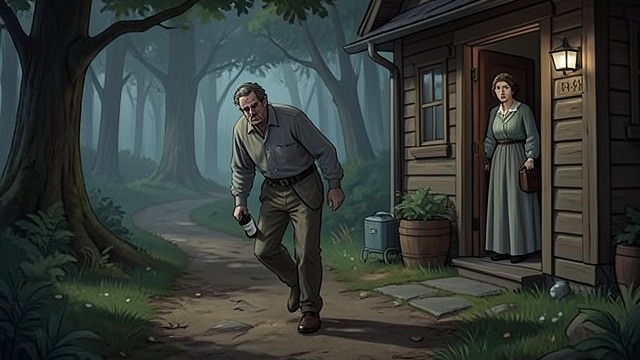
After Narayan Mukherjee dies, Parvati visits Devdas and urges him to stop drinking and come to her home, where she hopes to care for him. Devdas agrees that he will come, but neither changes his destructive habits nor makes the visit while he still has the strength to do so.
Near death, he finally travels toward Hatipota to keep the promise. Fever and the difficult journey leave him unconscious before he can see Parvati Chakravarty. The sequence completes the conflict between intention and action: Devdas’s last effort is sincere, but his delays have made the promised encounter impossible.
childhood in Talshonapur
the day Devdas is sent to Calcutta
after Devdas posts his letter to Parvati
at the riverside shortly before Parvati’s wedding
from the post-bereavement meeting to the final journey
