
Songs as Emotional Testimony
DianaThis thread traces how songs and letters preserve private feeling, expose contradictions, and give characters a public voice.
increasing Bearing strength in each event
 decreasing
Bearing strength in each eventdecreasingDiana’s Reassuring Letter
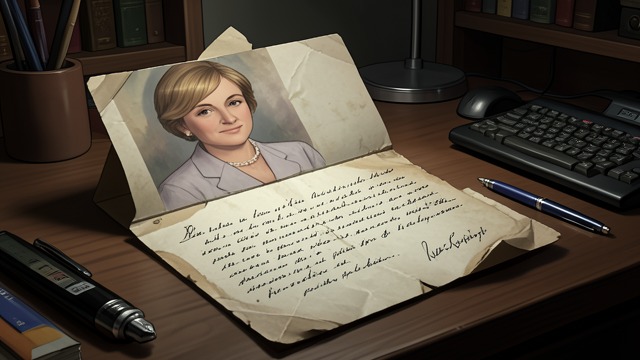
Diana’s Reassuring Letter
Words preserved
Sireno finds an old letter in which Diana denies that she loves him less and warns against jealousy. Its assurances seem impossible to reconcile with the marriage he has just learned about.
Writing outlives intention
The letter preserves a moment of confidence beyond the relationship that produced it. Sireno’s rereading shows how written declarations can comfort in one era and wound in another.
Silvano’s Songs of Unrequited Love
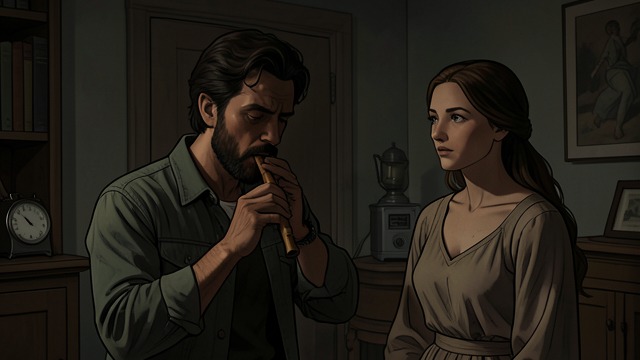
Silvano’s Songs of Unrequited Love
A voice for rejection
Silvano sings that he has loved without being loved and received no meaningful response. His songs give form to an experience he has carried quietly in Diana’s presence.
Complaint becomes fellowship
When Sireno hears him, their songs establish a language of shared loss. Poetry lets them speak openly without turning their affections into a renewed contest.
The Festival’s Love Songs
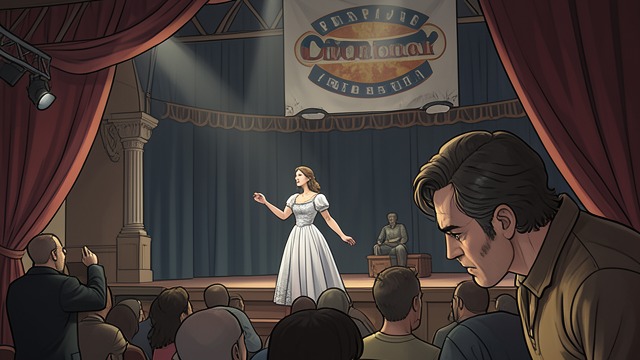
The Festival’s Love Songs
Song masks intention
Ismenia’s disguised conversation with Selvagia is followed by the later circulation of letters and songs among the four lovers. In each case, crafted language can conceal motives as readily as it reveals desire.
Words provoke new bonds
Selvagia’s affection begins in a performance she mistakes for sincerity, while later songs make the tangled relationships publicly audible. The thread asks whether eloquence is evidence of feeling or merely its persuasive appearance.
Felismena’s Musical Confession
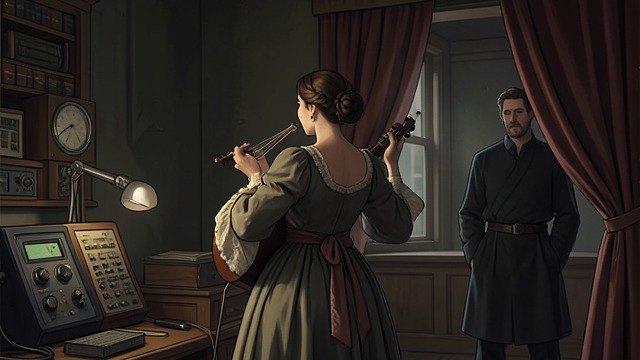
Felismena’s Musical Confession
Feeling voiced indirectly
Belisa sings of love’s unexpected arrival before Arsileo understands that she is describing her own transformation. The song expresses a vulnerability that ordinary conversation cannot yet state openly.
Art invites recognition
Arsileo’s music similarly gives voice to longing during his separation from Belisa. Their songs preserve emotion until direct knowledge and reunion become possible.
The Songs After the Cure

The Songs After the Cure
Old forms, altered feeling
Sireno and Silvano later sing verses that recall their former sufferings, but Sireno’s heart is now free and Silvano’s affection belongs to Selvagia. The familiar language of lament no longer describes identical emotional realities.
Performance reveals change
Diana hears the songs and sees how far the former lovers have moved from her. Music functions not only as confession but as a public measure of changed relationships.
before Sireno’s return
the first day of Sireno’s return
on the eve of Minerva’s festival
during her early love for Arsileo
after the shepherds return to the valley
