
From Pastoral Grief to Public Recognition
DianaThis thread follows how private suffering becomes visible through testimony, witnesses, and ceremonies in the larger pastoral community.
increasing Bearing strength in each event
 decreasing
Bearing strength in each eventdecreasingSireno’s Private Lament
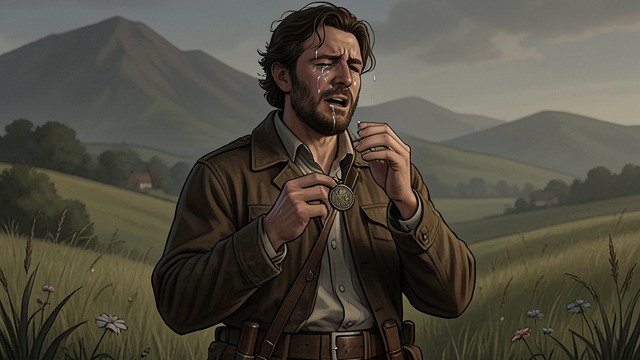
Sireno’s Private Lament
Grief in a remembered place
Sireno returns to the Esla meadows and speaks to his own memory, mourning Diana’s marriage. His private distress is first expressed through keepsakes, tears, and song.
A witness arrives
Silvano appears and shares his own history of loving Diana. The encounter begins the movement from isolated lament toward an audience capable of hearing and answering it.
Selvagia Tells Her Story
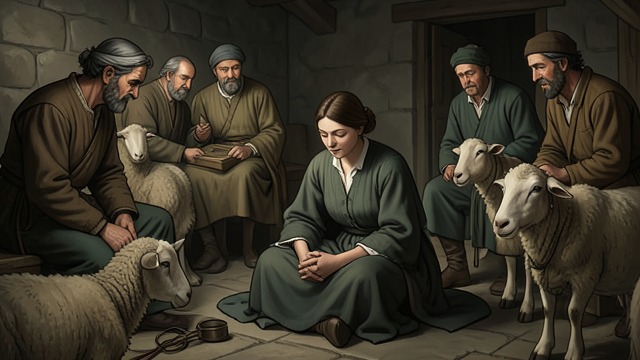
Selvagia Tells Her Story
A claim challenged
Selvagia joins the shepherds and challenges their general accusations against women. She argues that men judge women by standards that make every response seem blameworthy.
Testimony changes the discussion
At Sireno’s request, she recounts her own romantic history, turning abstract complaint into a specific account of deception and shifting affection. Her story expands the group’s understanding of love’s instability.
Felismena’s Confession
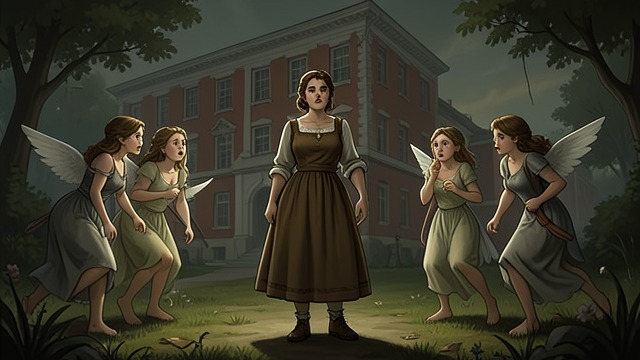
Felismena’s Confession
A hidden life revealed
Felismena tells the nymphs how she loved Don Félix, followed him in disguise, served as Valerio, and lost him after Celia’s death. Her narrative exposes the person beneath the shepherdess’s appearance.
Testimony creates obligations
The nymphs respond with compassion and bring her to Felicia. Once heard, Felismena’s suffering becomes a shared responsibility rather than a secret burden.
Belisa’s Story Is Believed
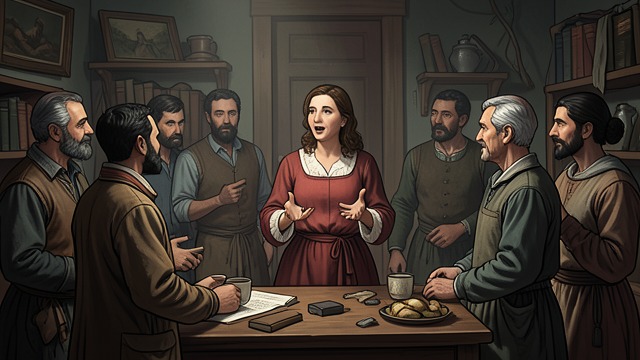
Belisa’s Story Is Believed
Grief explained aloud
Belisa recounts the love triangle and the scene she believed ended with two deaths. Her account lets the company understand why she has abandoned her former life.
Listening prepares a correction
The nymphs cannot yet tell her that the deaths were staged, but their attention keeps her connected to other people. That connection makes the later revelation possible.
The Closing Ceremony

The Closing Ceremony
Private bonds become public
The final weddings gather couples whose stories have unfolded separately through songs, letters, disguises, and grief. Their unions are witnessed by the pastoral company at Diana’s temple.
Recognition remains unfinished
The ceremony marks a communal conclusion, but the narrative signals that Sireno’s story continues beyond this volume. Public celebration offers closure without claiming that every emotional question has been answered.
at the opening of the first book
during the first afternoon together
after the nymphs’ rescue
the night in the island hut
at the end of the seventh book
