
Life Inside the Annex
Diary of Anne FrankThis flow traces how an emergency hiding place developed into a crowded household governed by routines, silence, shared labor, and confinement.
increasing Bearing strength in each event
 decreasing
Bearing strength in each eventdecreasingRooms Without Privacy
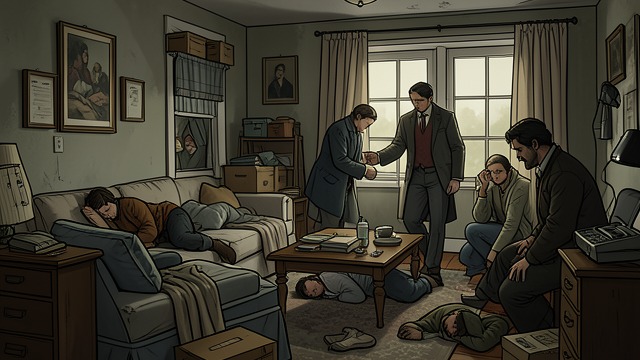
Making Space
An office refuge
The Annex held the Frank family in a few rooms behind the office building. Boxes, furniture, and supplies filled the rooms when they first arrived, and the family worked to make sleeping and living spaces usable.
A provisional home
Anne described the hiding place as strange rather than hateful. That early ambivalence captures the household’s basic condition: a refuge that offered safety while sharply limiting ordinary life.
Silence by Day
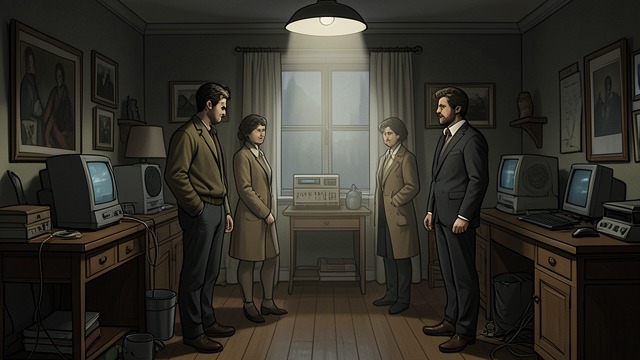
Listening for Danger
Quiet imposed
The residents had to avoid sounds that might carry to warehouse workers below. Water, footsteps, coughing, and conversation could all become risks during working hours.
Vigilance as routine
Silence was not simply a rule but a daily discipline. It made the house feel watchful and unnatural, especially for Anne, who had once been known for constant conversation.
The Household Schedule
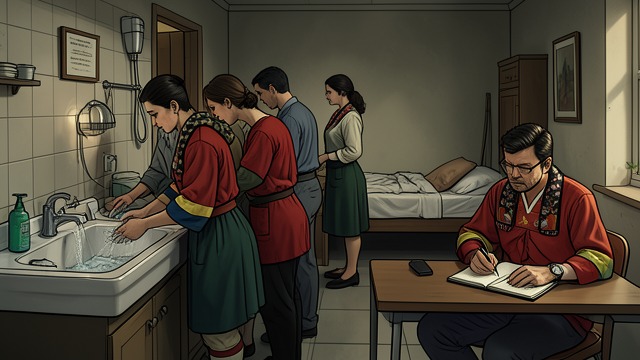
A Day Divided
Repeated tasks
Anne described the evening transformation of beds, the queues for washing, meals, office work, and the periods when residents had to remain quiet. Each hour had practical limits and assigned activities.
Time managed collectively
The schedule organized a crowded group but also revealed how little personal choice remained. Ordinary actions became coordinated operations in which everyone’s behavior affected everyone else.
Sunday Labor
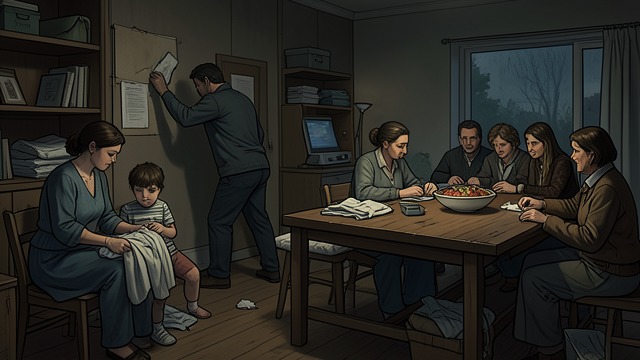
Work Replaces Leisure
A household in motion
Anne described Sunday as a day of cleaning, laundry, dusting, bed-making, and preparation. The routines that other households might fit around leisure occupied the Annex residents’ day.
Confinement made visible
The account shows how domestic labor filled time while outdoor recreation remained impossible. The familiar shape of a weekly day survived, but its meaning had been transformed by hiding.
A Narrow Shared World
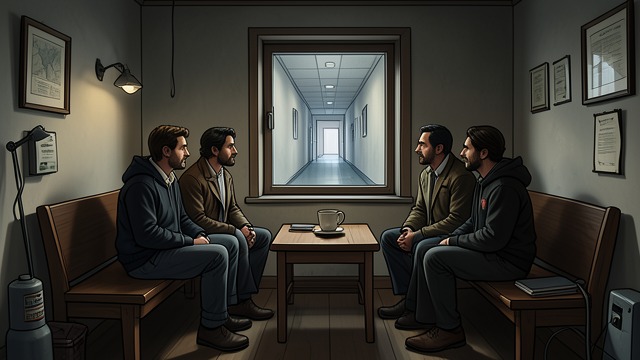
Familiarity Under Strain
No escape from one another
Years of close quarters intensified irritations over space, food, privacy, and manners. Residents could not step away from conflict by leaving the house.
A fragile community
Despite recurring arguments, the group continued sharing work and resources. Their household was neither harmonious nor simply hostile; it was a community forced to negotiate survival in confined rooms.
July 1942
Summer 1942
August 1943
February 20, 1944
Late spring 1944
