
The Household’s Internal Conflicts
Diary of Anne FrankThis flow traces how confinement transforms small differences among the Annex residents into repeated arguments and cautious accommodations.
increasing Bearing strength in each event
 decreasing
Bearing strength in each eventdecreasingNew Neighbors, New Friction

Two Families Share Rooms
Adjustment under pressure
The Van Pels family joined the Franks, making the Annex more crowded. Meal routines and shared facilities required cooperation from people with distinct habits.
Tension takes shape
Anne soon recorded disagreements about space, behavior, and possessions. The conflict began as household friction but intensified because none of the residents could leave the shared environment.
Parents at Odds

Adult Quarrels Become Routine
Arguments overheard
Anne described a serious fight between Auguste and Hermann van Pels and contrasted it with the quieter relationship she believed her own parents had. Their disputes affected everyone sharing the rooms.
Children caught nearby
Peter faced the strain of living between his parents, while the other residents could not avoid the sound or mood of their disagreements. The household’s emotional climate became as restrictive as its physical space.
Dussel’s Arrival
Space Becomes Scarcer
A new resident
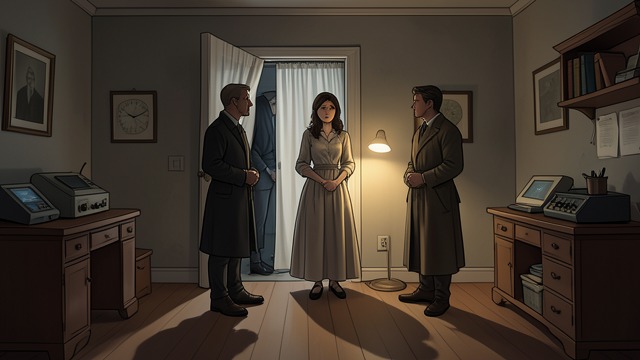
Fritz Pfeffer joined the Annex and shared a room with Anne, while Margot moved to a different sleeping arrangement. The additional resident offered refuge to one person but reduced privacy for everyone.
Friction around boundaries
Anne later complained about the room, the table, and repeated admonitions. The cramped arrangement made personal habits and claims to space a constant source of conflict.
The Shared Table Dispute
A Request Rejected
Anne asks for time
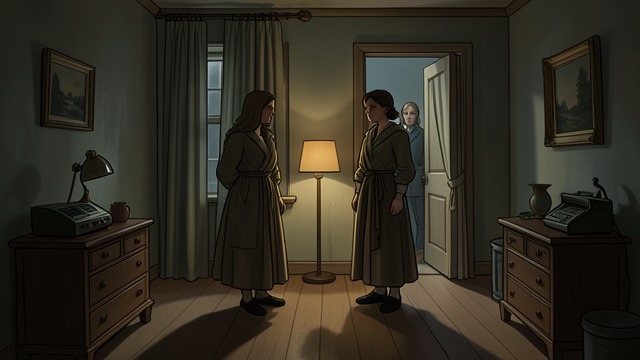
Anne asked Fritz Pfeffer to share the table for study on two afternoons each week. He refused, arguing that he needed the space and questioning the seriousness of her studies.
A negotiated outcome
Anne persisted, and Otto Frank argued that her request was reasonable. Pfeffer eventually yielded, though the episode left resentment on both sides and exposed the unequal power of age and space.
Weariness and Compromise
Conflict Never Far Away
Arguments accumulate
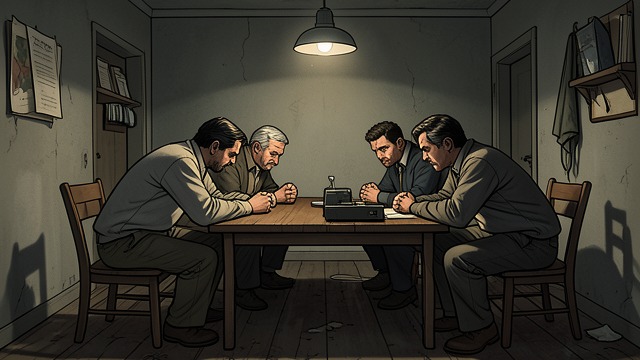
Food, privacy, noise, and manners continued to provoke disputes. Anne sometimes tried to soften conflict by changing how she spoke, but the underlying strain remained.
Survival requires accommodation
Residents had to keep living and working together despite anger. Their limited compromises helped the household continue, while showing the emotional cost of prolonged confinement.
Summer 1942
September 1942
November 1942
July 1943
1944
