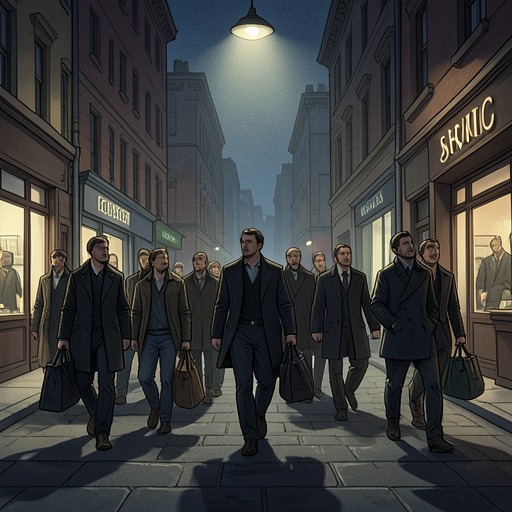
Arrest of the Secret Annex occupants
Diary of Anne FrankThe arrest of the Secret Annex occupants on August 4, 1944, ended the hidden life Anne Frank had chronicled and set in motion the survival of her diary as a public document. The account frames the raid against the restrictions that had narrowed Jewish life under German occupation, the family’s hurried move into hiding, and the fragile security practices that preceded the arrest. It also follows what happened to Anne’s manuscripts afterward: found scattered in the building, kept unread by Miep Gies, and eventually entrusted to Otto Frank.
The Restrictions That Led to Hiding
After the German occupation, anti-Jewish decrees reshaped ordinary movement and daily routines. Jews were required to wear a yellow star, surrender bicycles, shop only between three and five in the afternoon, and remain off the streets between eight at night and six in the morning. They were barred from public transport, entertainment, sports facilities, and visits to Christian homes, and required to attend Jewish schools. The list conveyed a cumulative enclosure: one prohibition followed another, while life continued under increasingly constricted conditions.
The Frank family had planned to go into hiding on July 16, but Margot’s call-up notice forced them to bring the plan forward by ten days. On the morning of their departure, Anne, her parents, and their belongings walked through the rain carrying schoolbags and shopping bags. The yellow star made their predicament visible to people going to work, while the family’s destination remained undisclosed to Anne until they were already on the way. The hiding place was in Otto Frank’s office building, where only selected office workers knew the family was coming; the warehouse staff were not informed.
A Concealed Household and Its Risks
The Secret Annex was not separate from ordinary commercial life: it lay within the building used by Otto Frank’s office and the Opekta business, above a warehouse and workrooms. That arrangement offered concealment but made the occupants dependent on the building’s security and on the discretion of a small circle of helpers. The book’s description of the hiding place as a free, furnished or unfurnished accommodation for dispossessed people, with a low-fat diet, turns the language of a lodging notice into an ironic account of confinement: there was no freedom of movement, and the occupants’ safety depended on remaining unseen.
The threat was not abstract. During an earlier break-in, Peter went down to the warehouse at seven in the morning and found both the warehouse door and street door open. He reported this to Otto, who tuned the radio to a German station and locked the private office; the household then observed its emergency rules, keeping quiet, avoiding water, dressing by eight, and not using the bathroom. The burglars had forced doors with a crowbar, searched the next floor after finding little in the warehouse, and taken cashboxes, blank checkbooks, and the occupants’ entire sugar allocation: coupons for 330 pounds. The incident showed how a breach in the building could threaten both concealment and their already precarious supplies.
Security Measures and the Final Arrest
After another security scare, the residents responded by tightening their routines. Fritz Pfeffer was to work in the bathroom, Peter was assigned to patrol the house from eight-thirty to nine-thirty, and he could no longer open his window after someone from the neighboring business noticed it. They were not to flush the toilet after nine-thirty at night. A night watchman, Sleegers, was hired, and a carpenter from the underground was expected to construct a barricade from the white Frankfurt bedsteads. The residents also had to consider whether the watchman could be trusted and whether dogs would bark if someone approached.
These measures reveal the pressure under which the Annex operated: security consisted of adjustments to work, windows, plumbing, movement, and the furniture available to block an entrance. Yet the diary’s closing chronology makes the limit of such precautions stark. Its last entry is dated August 1, 1944; three days later, on August 4, the eight people hiding in the Annex were arrested. The evidence here establishes the date and the fact of the arrest, but does not provide a detailed account of the raid or identify its perpetrators.
The Diaries After the Arrest
After the arrest, Miep Gies and Bep Voskuijl found Anne’s diaries scattered across the floor. Miep put the papers away in a desk drawer for safekeeping rather than reading them. When it became clear after the war that Anne had died, she gave them to Otto Frank. The arrest thus separated the diary from its author, while the act of preserving it made a later reading possible.
Anne had already begun revising her diary after hearing Gerrit Bolkestein of the Dutch government in exile call for eyewitness accounts to be collected and made public after the war. She worked on a second, edited version alongside her original entries, improving passages, omitting material, and adding recollections. Otto later combined selections from these two versions into a shorter text, shaped by the publisher’s space limits and by the conventions of 1947, which led to omissions including passages about sexuality and unflattering remarks about other Annex residents. Subsequent editions restored material: the complete scholarly edition presented the different versions alongside research into the diary’s authenticity, while the expanded edition added passages from Anne’s drafts and revisions. The arrest therefore belongs not only to the narrative of hiding but also to the history of how a private record, interrupted by capture, became a published and examined account.