Mr. Voskuijl
Diary of Anne FrankMr. Voskuijl, the father of Bep Voskuijl, was a warehouse worker whose carpentry and knowledge of the building helped protect the people hiding above him. Kept outside the original circle of those informed about the plan, he was later told that seven people were in hiding; his assistance became a vital part of the Secret Annex’s safety, and his illness left the hidden group without its most dependable source of information about the warehouse.
Identity and Work
Mr. Voskuijl worked in the warehouse on the ground floor of the office building where the hiding place was located. The warehouse served as both workroom and storeroom, with sections including a stockroom and a milling room where cinnamon, cloves, and a pepper substitute were ground. He worked there alongside two assistants. At first, neither he nor the assistants had been told about the people who would be concealed in the building; the office staff, including Bep, were informed, but the warehouse workers were not.
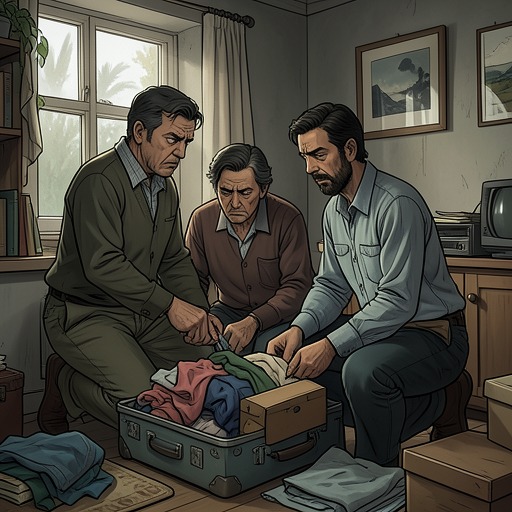
That distinction changed when the entrance needed additional protection. After searches for hidden bicycles made the occupants fear that the hiding place might be discovered, Mr. Kugler proposed placing a bookcase in front of its entrance. Mr. Voskuijl was then told that seven people were in hiding and undertook the carpentry. The bookcase swung outward on hinges like a door, disguising the entrance while allowing access from within.
Help and Security
The bookcase was a practical barrier, but using it brought its own physical difficulty: anyone going downstairs had to duck and jump through the low doorway. During the first three days, the occupants developed bumps on their foreheads from striking it. Peter tried to soften the hazard by nailing a towel stuffed with wood shavings to the doorframe. The episode shows how Mr. Voskuijl’s construction served concealment while altering the hidden residents’ everyday movements.
His contribution extended beyond the carpentry. The diarist identifies him as the group’s greatest source of help and support in matters of safety. His position in the warehouse gave him a way to keep the people in hiding informed about what was being said and done there. Their dependence on that knowledge made his work more than a background occupation: it connected the concealed rooms to the activity of the building below, where discovery could have grave consequences.
Illness and Loss
During a burglary scare, Mr. Voskuijl’s early departure became one of several uncertainties the occupants faced. They did not know whether he had given Bep the key or whether she had forgotten to lock the door. The incident sharpened their awareness that the safety of the hiding place depended on ordinary routines and on information they could not always verify.
Later, doctors operated on him for what had been thought to be an ulcer, but found cancer so advanced that surgery was pointless. They stitched him up, kept him in the hospital for three weeks, fed him well, and sent him home. The doctors told him the nature of his illness and its outlook. Unable to work, he sat at home with his eight children, brooding over his approaching death. The diarist felt sorry for him and wished she could visit and help distract him, but hiding made such a visit impossible.
His illness also brought a direct security consequence: he could no longer report what was happening in the warehouse. The diarist calls this a disaster and says that the group missed him very much. Mr. Voskuijl’s brief but consequential presence therefore links the hidden residents’ physical protection to the fragile human relationships and everyday assistance on which their safety depended.