Westerbork
Diary of Anne FrankWesterbork is a transit camp in the north of the Netherlands that occupies two distinct but connected places in Anne Frank’s diary: first, a destination described through frightening reports reaching the people in hiding; later, a stop in the documented route by which the eight residents of the Secret Annex were deported to Auschwitz. The diary gives the camp a human meaning before its postscript confirms the residents’ own passage through it.
A destination in reports from outside
On October 9, 1942, Anne writes that Jewish friends and acquaintances are being taken away in large numbers by the Gestapo and transported in cattle cars to Westerbork, identified in her entry as a large camp in Drenthe to which Jews are being sent. Her account reaches her indirectly: Miep tells the people in hiding about someone who had escaped. Anne reports that food and drinking water are scarce, water is available for only one hour a day, and thousands of people must share a toilet and sink. Men and women sleep in the same room; women and children may have their heads shaved. Escape, she says, is almost impossible, in part because people can be recognized as Jewish and marked by their shorn heads.
These details are not presented as Anne’s own observations of the camp. They are testimony passed through Miep and an unnamed escapee, and the entry makes that limited vantage part of its force: the hidden diarist tries to understand a place she has not seen through fragments carried back from the outside. The report leads her to wonder how much worse conditions may be in the distant places to which the Germans are sending people. She writes that the people in hiding assume many are being murdered and that the English radio says they are being gassed.
Part of a wider system of persecution
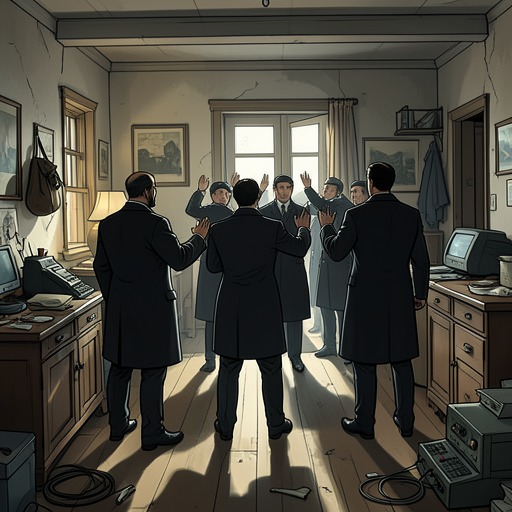
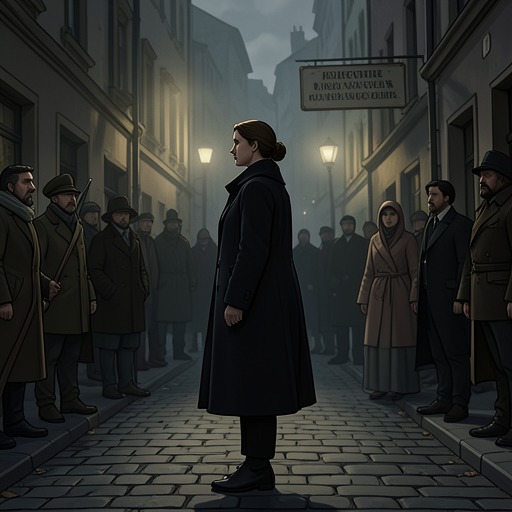
Westerbork’s place in the diary is inseparable from the expanding deportation of Jews under German occupation. In October 1942, Anne describes the camp as the destination for those taken from her circle. Later, news relayed by Fritz Pfeffer depicts nighttime searches by military vehicles: men go from door to door asking whether Jews live there, sometimes using lists and offering a bounty for each person found. Families, including children, the elderly, sick people, and pregnant women, are taken away. Anne contrasts the relative safety of hiding with the suffering of people being marched away, and records her distress at sleeping comfortably while friends may be exhausted or mistreated.
A further diary entry broadens the picture beyond Jewish deportations. Anne describes people being dragged from their homes with little they can carry, families being separated, and children discovering that their parents have disappeared. Dutch Christians also live in fear because their sons are being sent to Germany for forced labor. Westerbork therefore appears not as an isolated setting but as one named point in a landscape of roundups, separation, and forced removal.
The residents’ passage through the camp
The book’s concluding biographical account makes Westerbork part of the fate of the people whose earlier entries had feared for those taken there. After their arrest, the eight residents of the Secret Annex were brought first to a prison in Amsterdam and then transferred to Westerbork, described as the transit camp for Jews in the north of the Netherlands. On September 3, 1944, they were deported from there on the last transport to leave the camp. They arrived in Auschwitz three days later.
That retrospective confirmation changes the camp’s role in the book. In the diary entries, Westerbork is known through reports and dread; in the concluding account, it becomes a documented stage in the residents’ own deportation. The movement from Amsterdam to the camp and onward to Auschwitz gives the earlier news a terrible personal consequence, while preserving the distinction between what Anne could know while writing and what the book establishes afterward.
Memory, identity, and the meaning of the place
The camp’s name also belongs to Anne’s reflections on Jewish identity and belonging. In 1944, she writes that Jews are constrained, without rights, and burdened with obligations, but insists that the time will come when they can again be people and not only Jews. She links endurance to the survival of Jewish people across generations. This is not a description of Westerbork itself; it is the moral and communal context in which the diary’s reports of deportation are received.
The postscript’s account of the last transport gives the place a stark narrative boundary: Westerbork is both the destination feared in 1942 and the departure point for the residents’ final recorded journey in the book. The contrast between Anne’s uncertain wartime reports and the later, precise chronology makes the camp a hinge between diary-time and retrospective knowledge, and between the refuge of hiding and deportation beyond it.