
The Narrator's Descent into Madness
Die, My LoveThis flow follows the narrator's progressive unravelling from suicidal fantasy through self-destruction to the institutional attempt to cure her.
increasing Bearing strength in each event
 decreasing
Bearing strength in each eventdecreasingThe Knife in the Sun
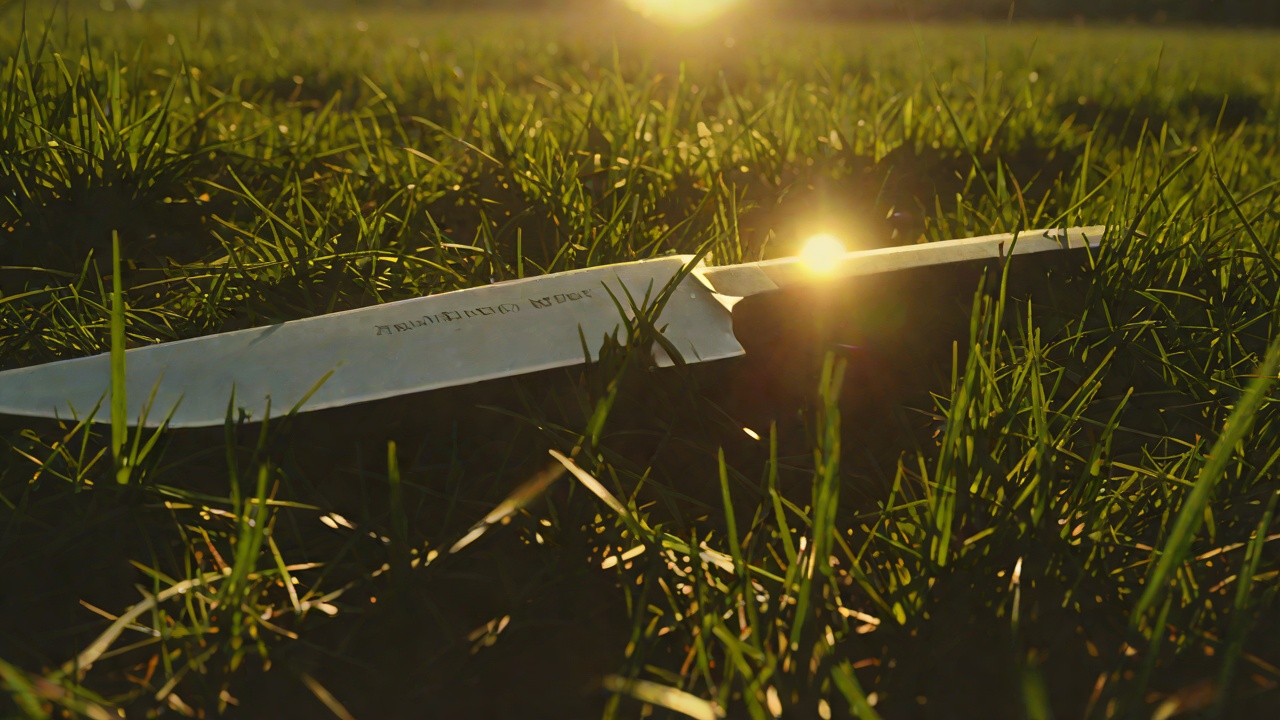
The Knife in the Sun
Context
The narrator lies in the grass and feels the sun on her palm like a knife that could bleed her dry. The thought is not a plan but a vivid longing for refusal of life.
Turn
She drops the knife and goes to hang out the washing, performing normalcy for her husband and son. The performance is successful, and no one suspects what the sun has shown her.
Aftermath
The knife remains in the scorched pasture, and she hopes that when she finds it again it will look like a scalpel, a feather, a pin. Madness is already a place she visits without warning.
The Owl and the Night Terrors

The Owl and the Night Terrors
Context
With her husband away, the narrator is besieged by demons, rats on the roof and the genital cry of a barn owl. She checks the baby's breathing again and again, terrified of cot death.
Turn
Between two and four in the morning she imagines walking into the woods and leaving the buggy on a downhill slope. A social worker's advice echoes in her head: leave the child in a safe place and step back.
Aftermath
The roadside phone calls from her husband break up the madness. She becomes aggressive with nurses and neighbours, but the real battle is inside her own skull.
Through the Glass
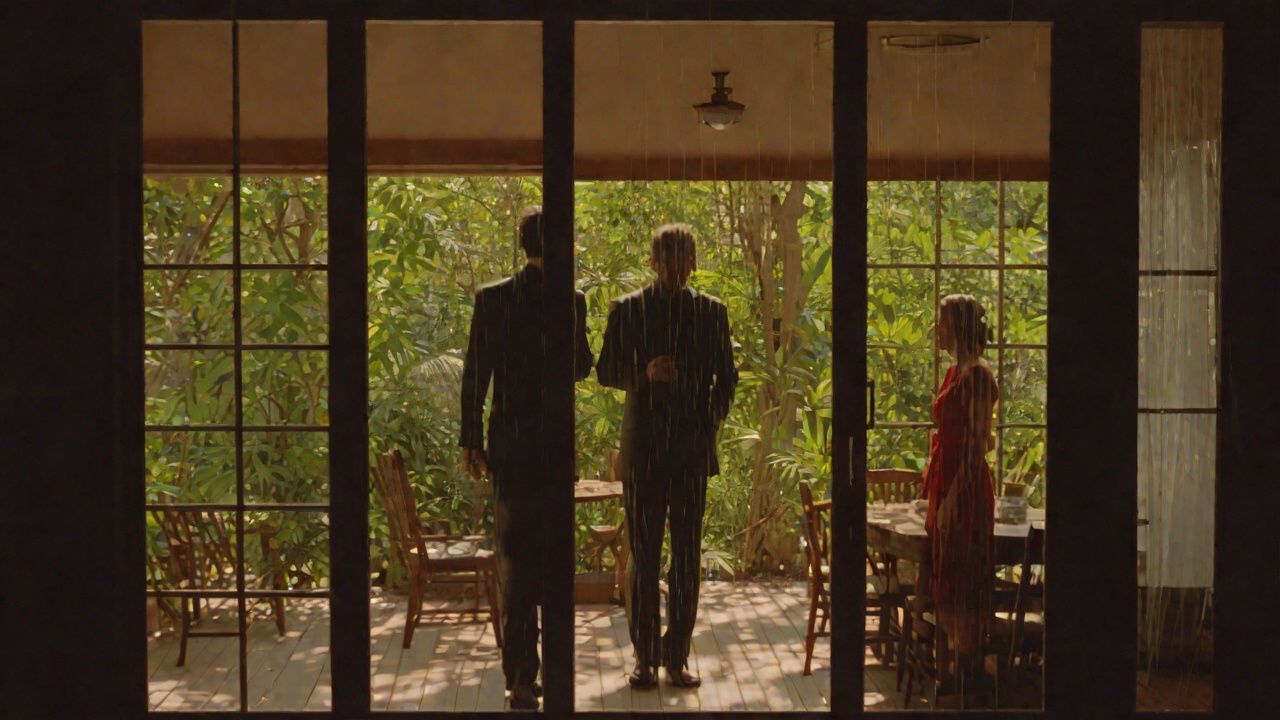
Through the Glass
Context
After the jealous fight with her husband, the narrator runs outside and, for the first time, crashes straight through the sliding glass door. Red all over, she crosses the pastures as if they were a park.
Turn
She lies down in a kennel among pruned trees, with cold dried blood stuck to her body. The long night begins with her reading the names of dead people on tombstones.
Aftermath
The crash marks the moment when her inner violence becomes outer violence. The glass door that once tempted her now actually cuts her, and the family is forced to acknowledge that something is deeply wrong.
Shards and Incisions
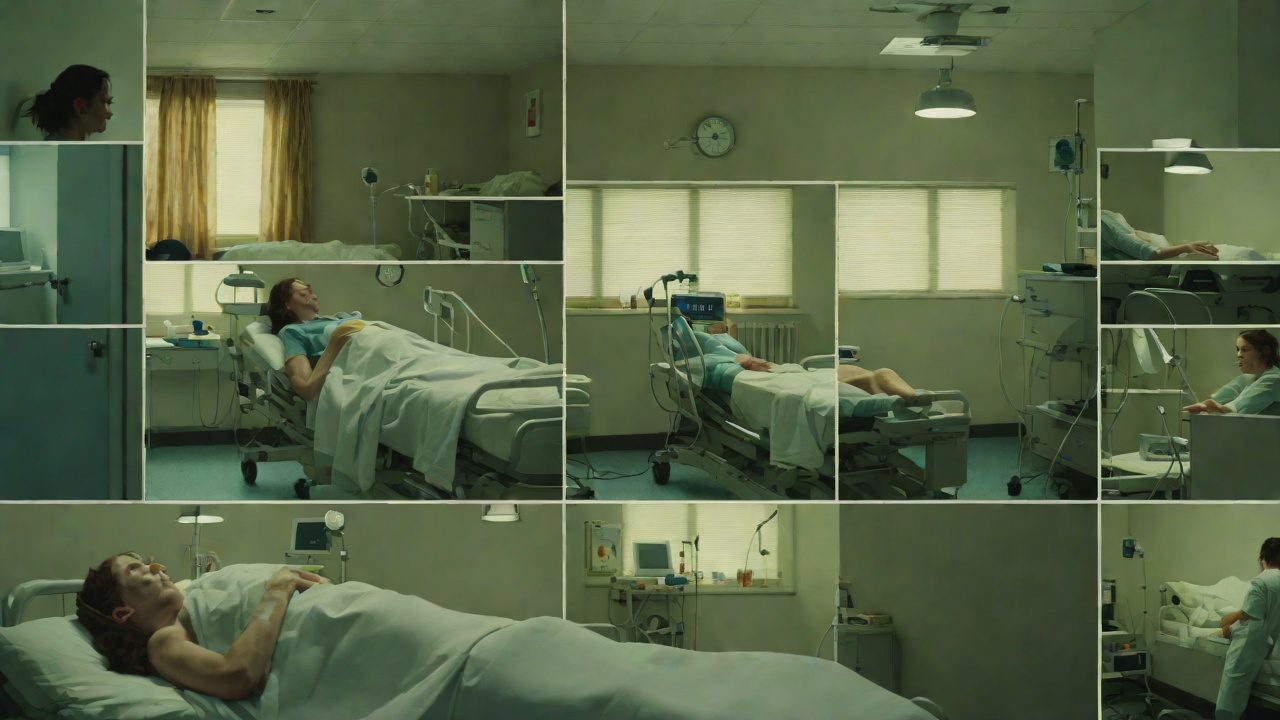
Shards and Incisions
Context
The narrator wakes in a hospital bed, unconscious for the first time in her life, with nurses removing tiny shards of glass from her body. Every new nurse stares at her for thirty seconds.
Turn
Her husband visits with flowers and hides his face behind them. He kisses her, avoiding the gashes on her face, and his hand falls exactly on the cut along her neck.
Aftermath
She tells him she did not touch a hair on his head, and he answers whatever, nice move, you're learning. The hospital becomes a preview of the institution that will follow.
The Dagger in Hand
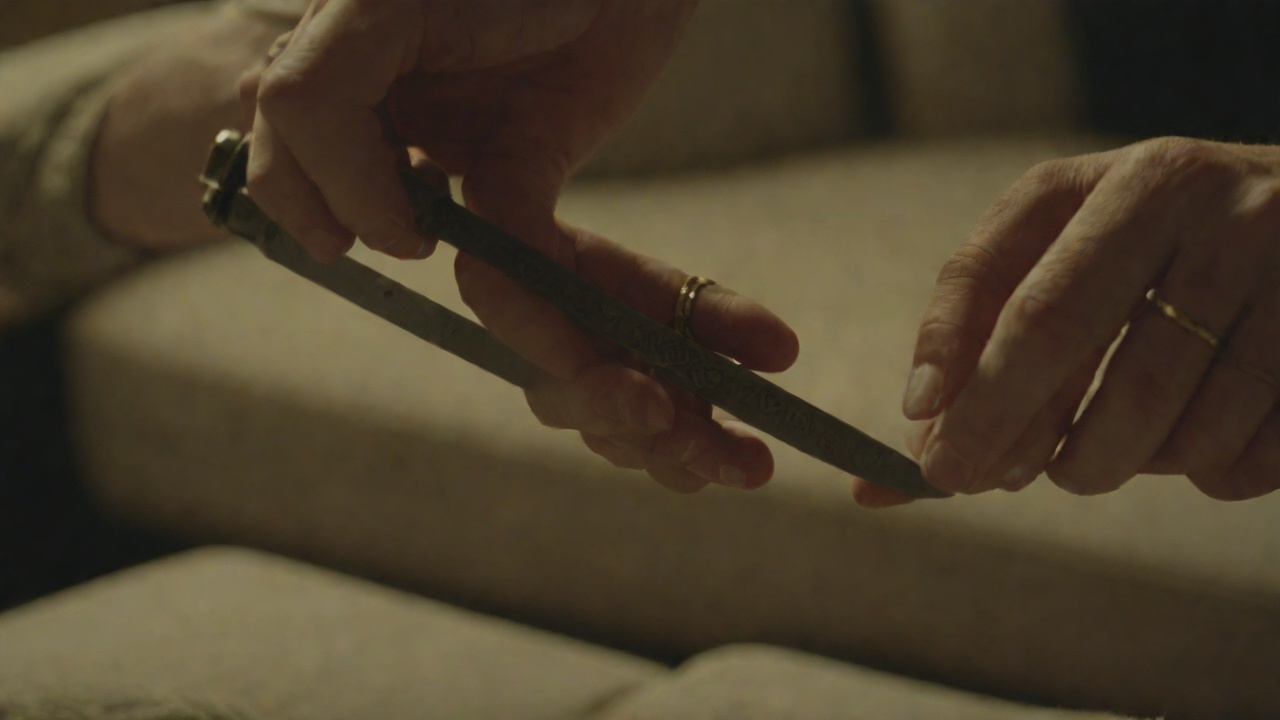
The Dagger in Hand
Context
Released from the institution, the narrator sits on her sofa and sees the reflection of the first knife she ever dreamt of in her hand. She thinks that if she had been truly admitted as a psychiatric patient, the dagger would not be there.
Turn
Scared, she runs towards the sliding glass door, which now has mosquito mesh, and opens it. She goes outside to look for the stag, calling him her one and only.
Aftermath
The ending of this thread is not a cure but a continuation of the same longing. Madness is not resolved; it is redirected toward the animal and the wild.
early in the story, on the bank holiday Sunday
when the husband is away on a sales trip
at the end of the fight over the condoms
days after the glass crash, in the hospital
after release from the institution, near the ending
