
The Narrator's Bond with Her Mother-in-Law
Die, My LoveThis emotional thread follows the strange sympathy and eventual moral rupture between the narrator and her mother-in-law.
increasing Bearing strength in each event
 decreasing
Bearing strength in each eventdecreasingThe Funeral Intimacy
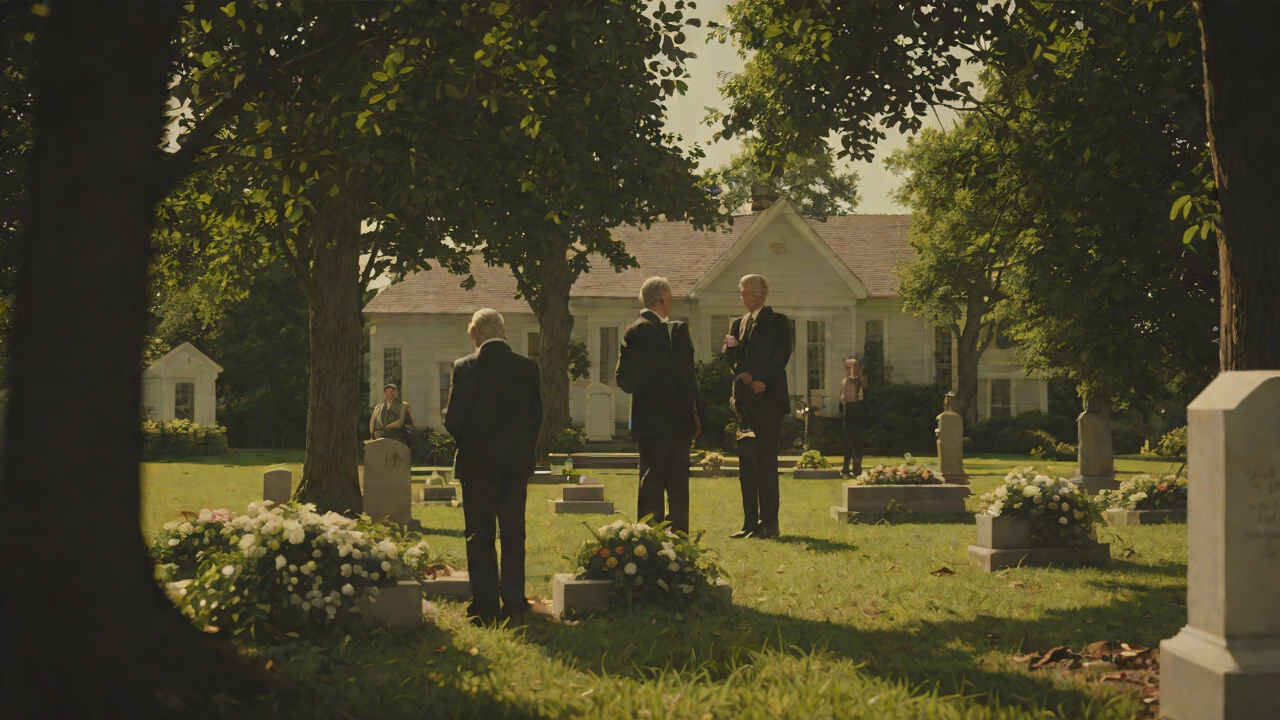
The Funeral Intimacy
Context
The narrator stands before the father-in-law's grave and imagines the mother-in-law airing out the house, giving away socks, and covering her mouth with her hand.
Turn
She sees the mother-in-law in slow motion, gasping after sliding a door shut, and hears how the dead man squeezed her hand just before dying. For the first time, the narrator feels close to her.
Aftermath
The bond between the two women is born out of witnessing the same grief. The narrator understands the widow's body as she understands her own.
The Widow's Repetitions
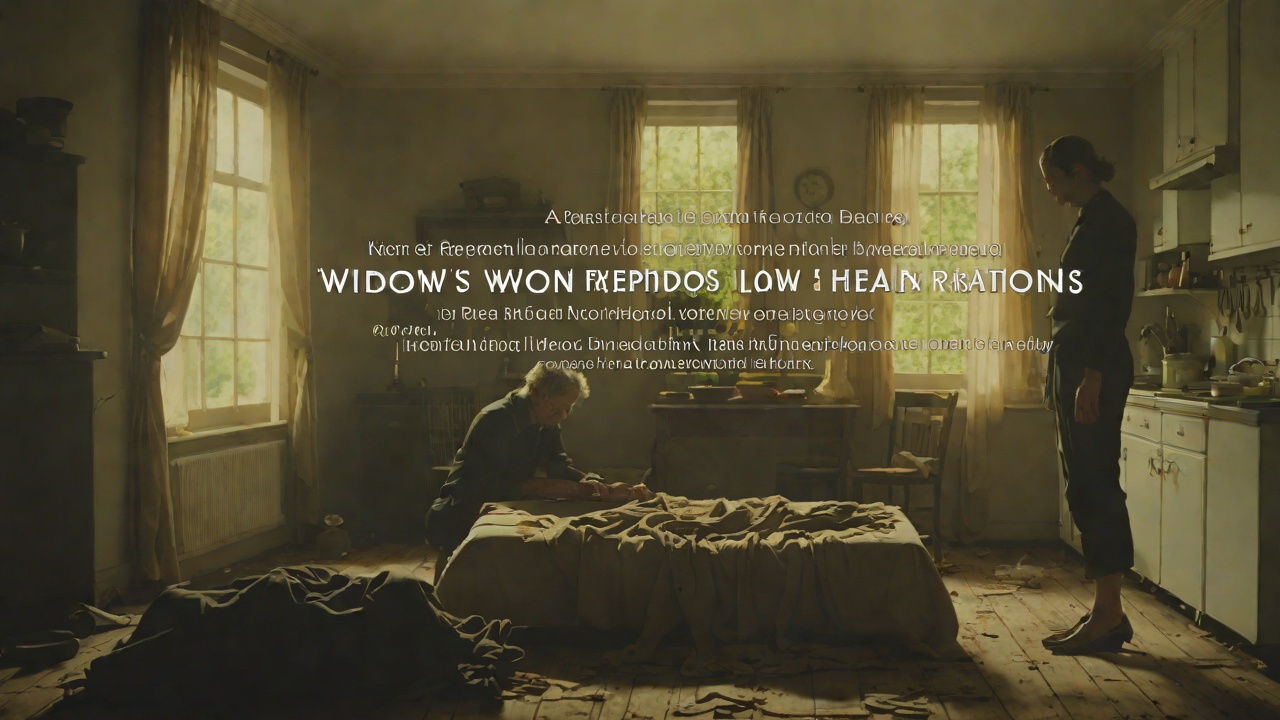
The Widow's Repetitions
Context
The mother-in-law carries on washing her dead husband's trousers and cooking for two. She sleepwalks, shouts Fire in the village and phones God with a shoe.
Turn
The narrator watches her eat stale white bread and choke because time does not pass for the person left behind. She recognizes the same stagnation in herself.
Aftermath
The bond deepens through shared immobility. The mother-in-law's grief is a mirror of the narrator's own paralysis.
The Sunday Outing Together
The Sunday Outing Together
Context
The mother-in-law insists on a Sunday outing and asks the narrator where she wants to go. The narrator must appear enthusiastic and show others that they enjoy life.
Turn
They drive to the suspension bridge and watch the gay teenager's suicide unfold. The mother-in-law wants the child to have a childhood, with balloons and merry-go-rounds.
Aftermath
The outing binds the women in a shared performance of normal life. Neither of them can admit that the performance is a lie.
The Dawn Herbal Tea

The Dawn Herbal Tea
Context
The mother-in-law asks what it means for a man to die while the narrator sits curled up by the dead fire. The husband stirs the herbal tea and says there is nothing she can do.
Turn
The narrator understands the mother-in-law so well that she wants to run over and climb into her chest, or stick her fingers into her eyes. She says nothing and plays the role of daughter-in-law.
Aftermath
The bond is so violent that it cannot be spoken. The two women remain separated by the very empathy that joins them.
The Moral Verdict
The Moral Verdict
Context
The narrator hears a neighbour and her mother-in-law agree that it is not right to run off with another man. Drunkards toss away empty bottles and repeat the chorus.
Turn
The mother-in-law, who once offered Prozac, is now part of the village law. The narrator hears the words as if they were a message for someone else.
Aftermath
The bond breaks under the weight of propriety. The mother-in-law chooses the community over the narrator, and the two women are finally separated.
at the father-in-law's funeral
in the months after the funeral
after the mother-in-law has resumed her public life
at four in the morning, in the mother-in-law's house
near the ending, when the affair is public
