
The Institution and the Cure
Die, My LoveThis flow follows the narrator's confinement, therapy and release from the psychiatric institution as the family tries to manage her madness.
increasing Bearing strength in each event
 decreasing
Bearing strength in each eventdecreasingThe Proposal of Treatment
The Proposal of Treatment
Context
The husband summons the narrator with the phrase come here, sit down, and tells her she needs treatment. She understands the words as an ending, not a healing.
Turn
He describes a place full of sheets, white walls, pills and craft workshops. The narrator vomits her ten years as a couple over the table.
Aftermath
Despite the horror, she later asks him to marry her, and he agrees. The marriage continues, but the threat of confinement is now part of its architecture.
The Yellow Shorts

The Yellow Shorts
Context
The narrator sits in the back seat in yellow shorts with a suitcase, practising crazy looks in the mirror. She imagines herself as Zelda Fitzgerald en route to Switzerland.
Turn
Her husband and son sing love me, love me, say that you love me, while she listens to Mozart. When they arrive, staff grab her arms and push her forward.
Aftermath
A hallway full of closed doors swallows her, and the engine carries her family away. The institution is framed as both a honeymoon and a prison.
The First Morning
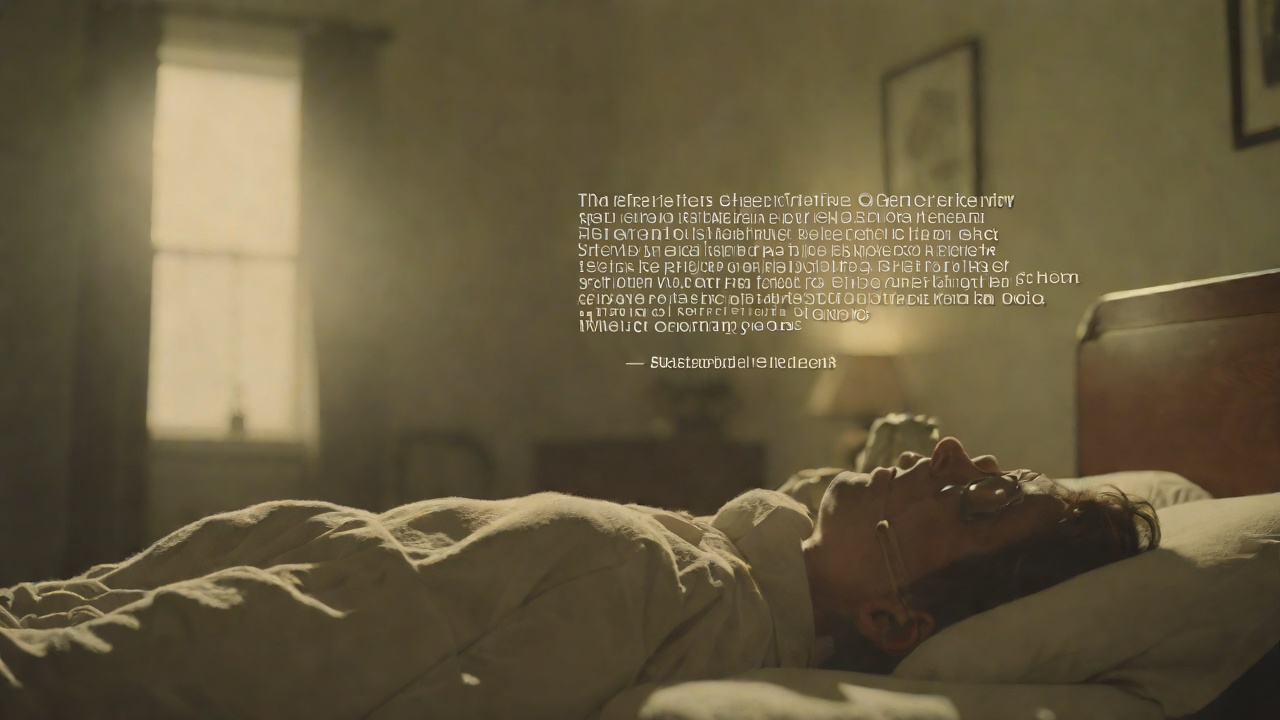
The First Morning
Context
The narrator wakes with her fingers hanging off the bed and a doctor's crooked eyeglasses above her. She has dreamt she left her baby asleep under acid rain.
Turn
The doctor tells her she is free to leave whenever she likes. She walks into the dining hall feeling alive, kisses cheeks and asks people their names.
Aftermath
She notices she has been shut away among men with shaved heads and tells herself she smells of testosterone. The institution is not the white nightmare she feared, but it is still a cage.
The Couples Session

The Couples Session
Context
A therapist brings the narrator and her husband together in an office with artificial grass and relaxing music. The husband says he is in a permanent state of alert.
Turn
The narrator feels bored and says, I'm going to club you to death, then wonders how she reached that point. The therapist speaks of tolerance and mutual respect, but no one is listening.
Aftermath
She hugs her husband so hard she wrings out his guts, and he does not reject her. The session ends with a fragile, theatrical reconciliation.
The Grounded Week
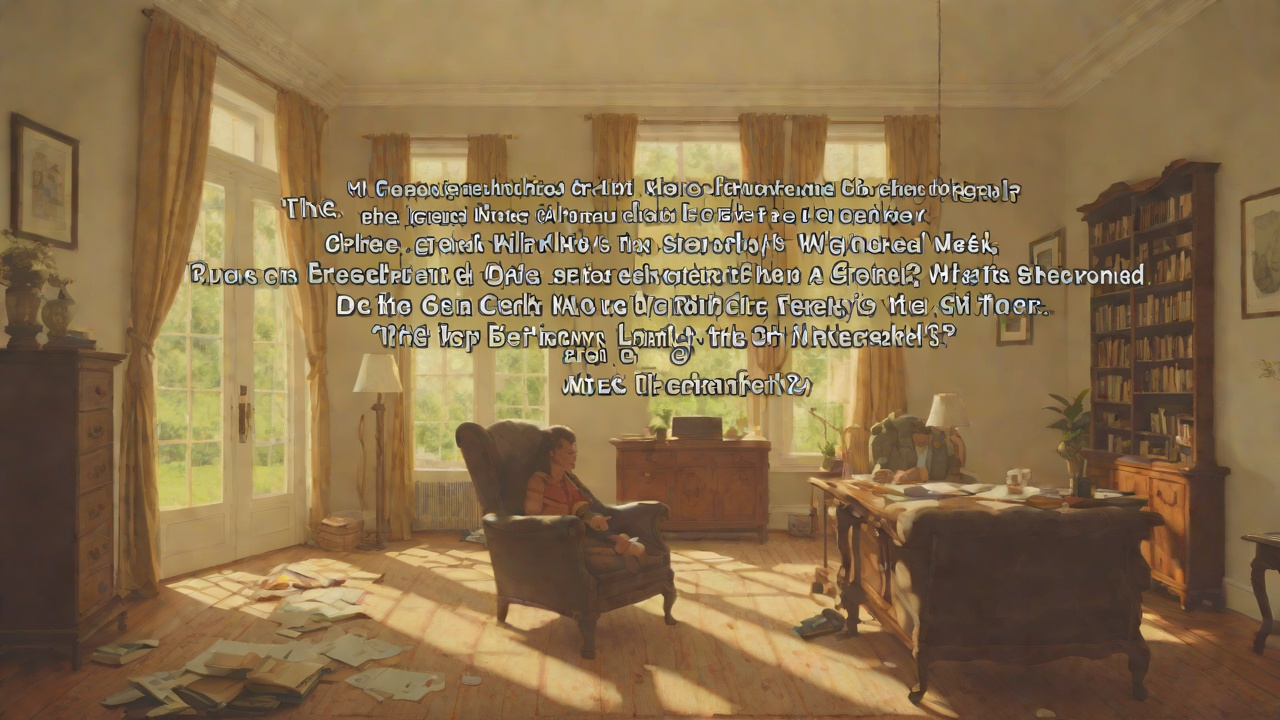
The Grounded Week
Context
The therapist tells the narrator that her husband wants her to stay another week. It is official, she thinks, she has been grounded.
Turn
She pretends to accept responsibility and rethinks her role as wife and mother. Then she runs out, leaps over demolition signs and imagines her husband and son slowly forgetting her.
Aftermath
The institution extends its hold over her life at the very moment she tries to escape it in fantasy. Her family is already learning to live without her.
Release and Reunion
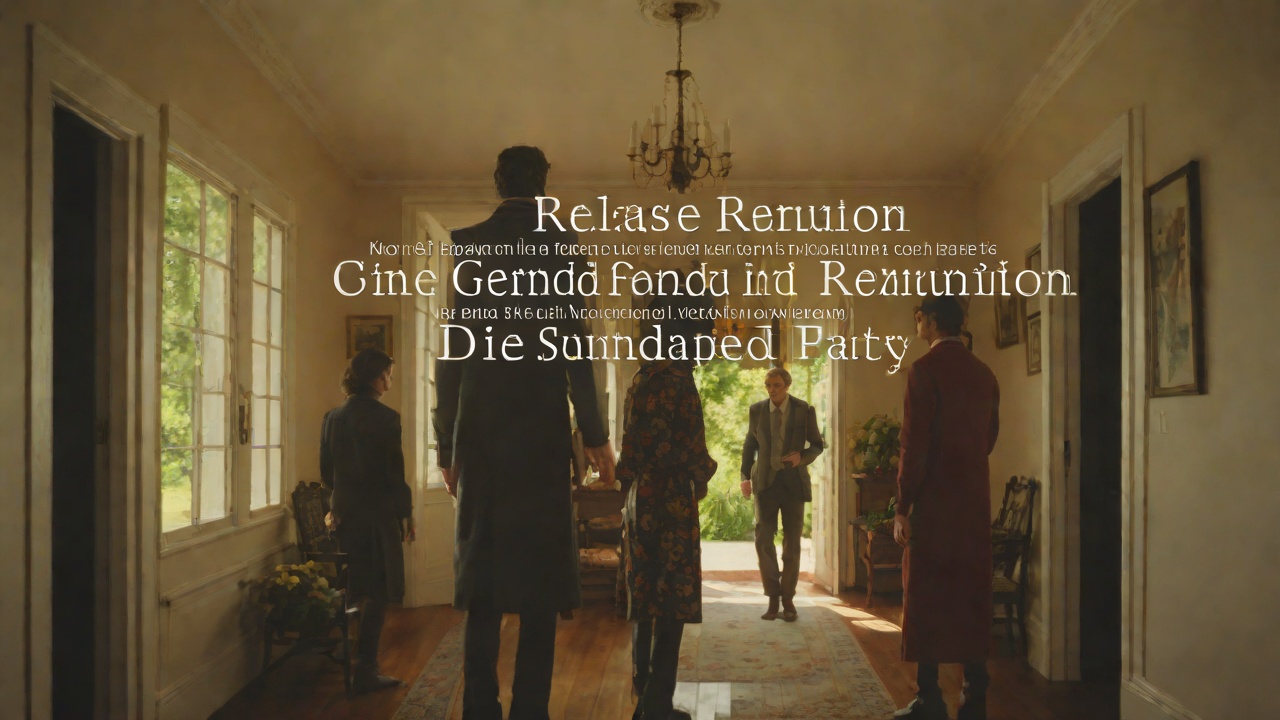
Release and Reunion
Context
The narrator is blindfolded at a going-away party, then the door opens and she sees her husband dressed up and her son in his football kit, holding hands.
Turn
They hug, and the son has more teeth, more hair and a bigger vocabulary. Her husband tells a joke: now you're finally out, we'll be able to live in peace.
Aftermath
They drive home with the roof open and the child raising his hands to the wind. The narrator carries into the house the reflection of the first knife she ever dreamt of.
early morning, before the journey to the institution
on the road to the institution
the morning after admission to the institution
during the narrator's stay at the institution
after the couples session, still inside the institution
after the institution, when the family comes to collect her
