the woods
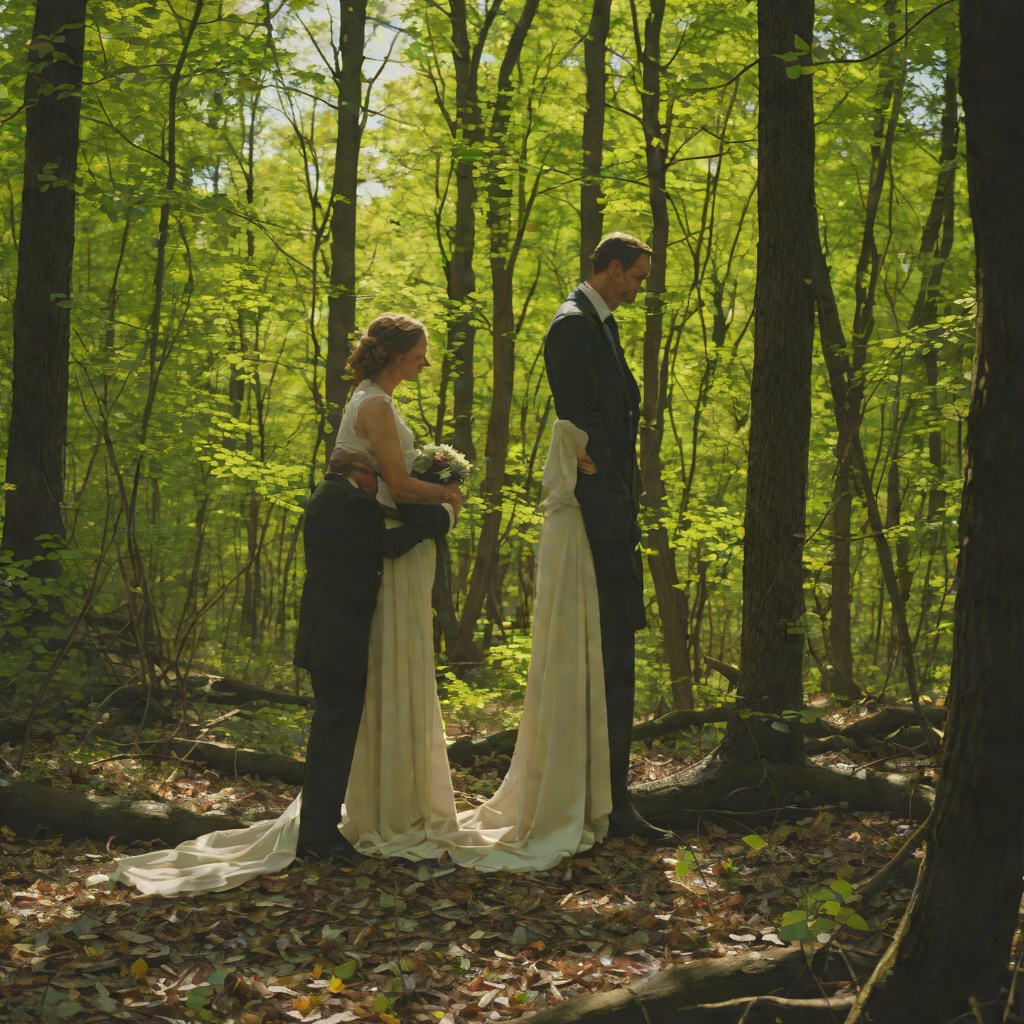
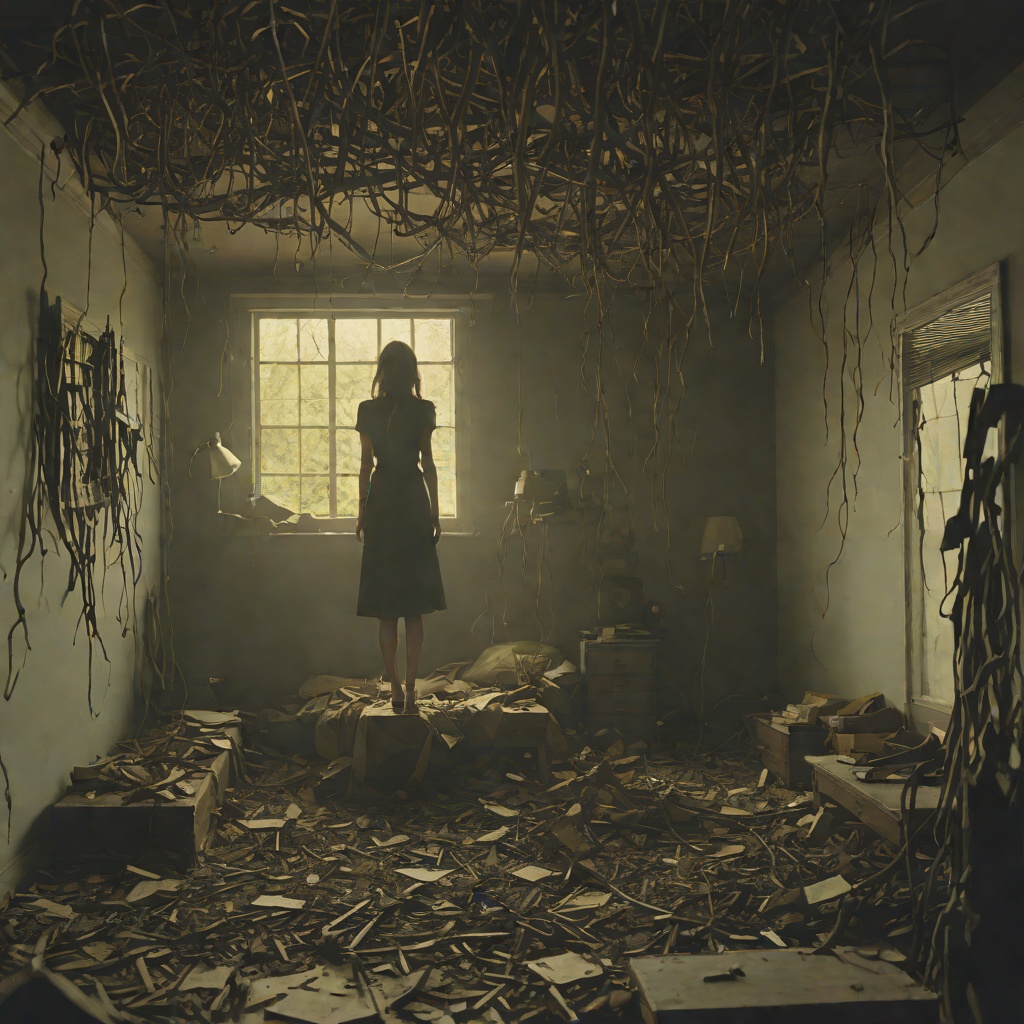
Die, My LoveIn the novel, the woods are not merely a backdrop but a living, breathing counterpart to the narrator's fractured inner world. They are the landscape of her exile and her only true home, a place she enters in moments of crisis and where she ultimately vanishes. The woods are where the narrator's most authentic self emerges, stripped of the performance of wife and mother, and where the novel's central tensions—between civilization and wildness, sanity and madness, love and its absence—are played out in their rawest form. It is the stag's golden eye, encountered in the woods, that the narrator credits with saving her, and it is into the woods that she finally disappears, making this landscape the true stage of her entire story.
A Landscape of Refuge and Retreat
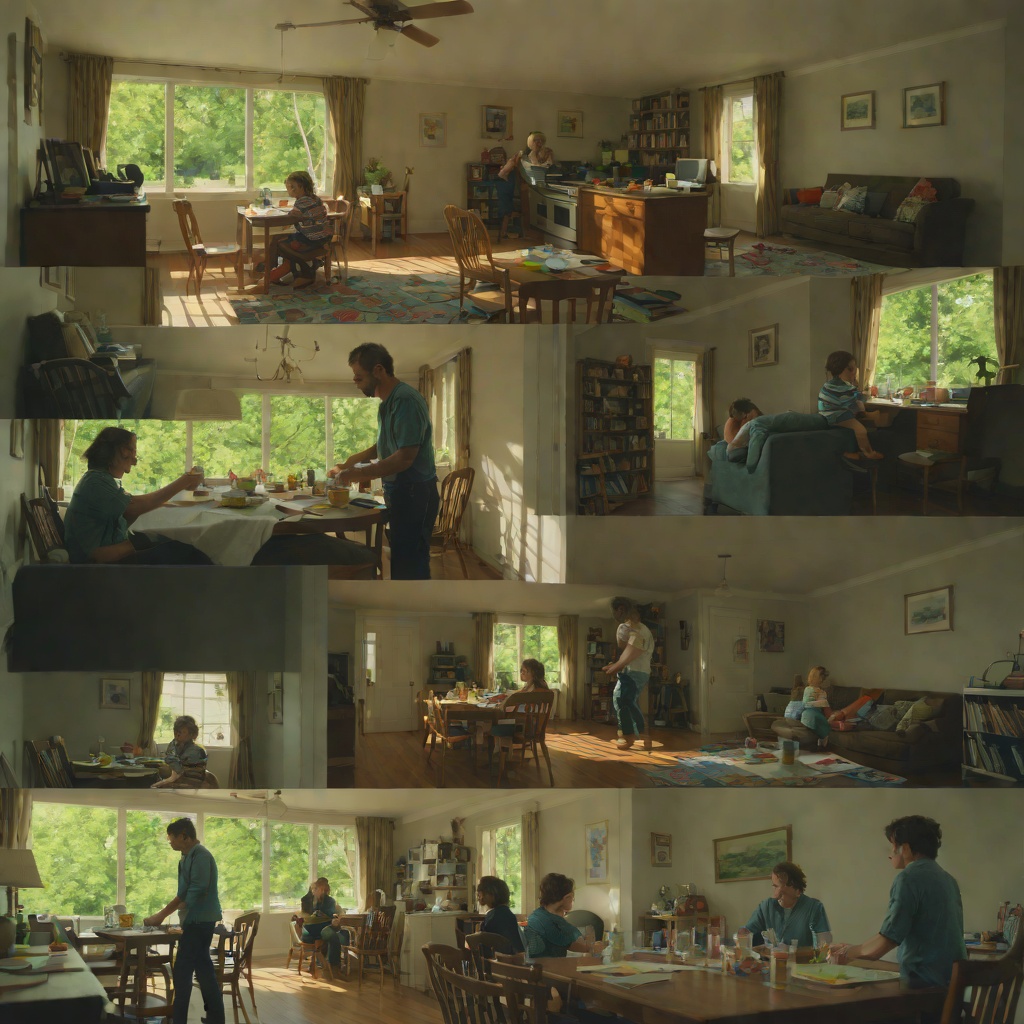
The woods serve as the narrator's primary refuge from the suffocating domesticity of the house. When the pressures of motherhood and marriage become unbearable, she escapes into the trees. During a difficult Christmas, exhausted from contractions and perforated by family questions about work, nursery, taxes, and health insurance, she walks out into the woods, shutting herself away among the clusters of trunks and saplings. The woods are a place she comes down to at night only in an emergency, a private territory where she can be one person even when her body is two. It is here that her husband finds her jumping through puddles, a moment of childlike abandon that she is immediately embarrassed by, and she runs back home claiming she is just fine. The woods offer a space where the narrator can shed the expectations placed upon her and simply exist, even if only for a moment.
The Stag and the Golden Eye
The woods are the domain of the stag, the animal whose gaze becomes a touchstone for the narrator's sanity. Walking down to the woods one night, a stag appears and shoots her a hard, animal stare, a look she notes no one has ever given her before, and she wishes she could put her arms around him. This encounter is not isolated; the stag's presence recurs as a saving grace. The narrator states plainly that what saves her, tonight and every other night, has nothing to do with her husband's love or her son's, but with the stag's golden eye, still staring at her. The stag represents a form of pure, non-judgmental attention that the human relationships in her life fail to provide. It is a connection to a wildness that she feels within herself, a recognition that transcends the failed language of her domestic life. The stag's eye is a fixed point of meaning in a world that has become chaotic and meaningless.
A Place of Transformation and Wildness
The woods are where the narrator's identity shifts and blurs, a space of becoming something other than human. After a kiss at the fence with the radiologist, she knows she will go out into the woods and vomit, and that afterwards she will have a beak, feathers, and talons. The woods are the place where she imagines her son's true origin, wishing for a son born not in a delivery room but in the darkest corner of the woods, a stateless, wandering son rocked to sleep by animal cries rather than silenced with dummies. This vision of a feral childhood is realized in a scene where she takes her baby into the woods, which have become more like a jungle. She ties him to her body like a kangaroo and her joey, trampling worms and dodging nettles. When she loses sight of him, she finds him up a tree, a little savage who has already learned to climb. Together they taste swamp water, eat flower petals, chew leaves for sap, and mimic the calls of the animals, becoming part of the woods themselves. She even dunks her son in the icy water, baptising him by mistake, a moment that underscores the woods as a place of unintended, primal rituals.
The Woods as a Site of Crisis and Loss
The woods are also the setting for the narrator's most profound crises, including the loss of her love for her son. After waking up inside her woods, she notices she no longer feels any love for her son. She leaves the humid bedroom looking for clarity, but it is raining outside, and the feeling of being in a wood intensifies. She thinks that seeing the stag, having the stag stare right at her, might help, so she goes to look for him. Instead of his antlers, she finds nurses, marking the transition from the natural world of the woods to the institutional world of the psychiatric facility. The woods are thus the threshold between her internal wildness and the external forces that seek to contain it. The search for the stag's healing gaze leads her not to salvation but to commitment, suggesting that the wildness of the woods cannot ultimately protect her from the world's judgment.
The Final Disappearance
The woods are the narrator's final destination, the place where she chooses to end her story. After the final separation from her husband, who has revealed that the radiologist and his wife are expecting twins, the narrator gets out of the convertible without opening the door, noting it is a very practical model for break-ups. Her husband turns and sees her disappear into the undergrowth. The woods receive her at the moment of her greatest loss, becoming the ultimate refuge from a life she can no longer inhabit. It is a return to the wildness that has always called to her, a final rejection of the normal family she found so sinister. The woods, which have been her sanctuary, her site of transformation, and the home of the stag's saving eye, become her final, ambiguous home, a place where she is finally, completely lost to the world.