
The Narrator's Exile and Foreignness
Die, My LoveThis character thread follows the narrator's sense of being a foreigner and stateless person at every stage of her life.
increasing Bearing strength in each event
 decreasing
Bearing strength in each eventdecreasingThe Foreign Accent

The Foreign Accent
Context
The narrator orders a blonde beer in a foreign accent and hears herself as a fraud of a country woman. She is an educated university graduate, but she is married to a man who sees her as just another local.
Turn
She thinks about how the people here prepare for winter like animals, and how she is more of an animal than those half-dead foxes. Her accent marks her as different even as she performs the role of wife.
Aftermath
The opening scene establishes her exile as both geographical and mental. She is inside the family portrait but not part of it.
The Educated Animal

The Educated Animal
Context
The narrator describes herself as a normal woman from a normal family, but an eccentric, a deviant. She slides a hand into her knickers while her husband asks for a beer.
Turn
She thinks of her university degree and sees herself as more animal than the half-dead foxes stuffed with sticks. The countryside has stripped away her cultivation.
Aftermath
Her education becomes useless knowledge, a relic of a former self. Exile is not just from a country; it is from the person she used to be.
The Polish Country Bumpkin
The Polish Country Bumpkin
Context
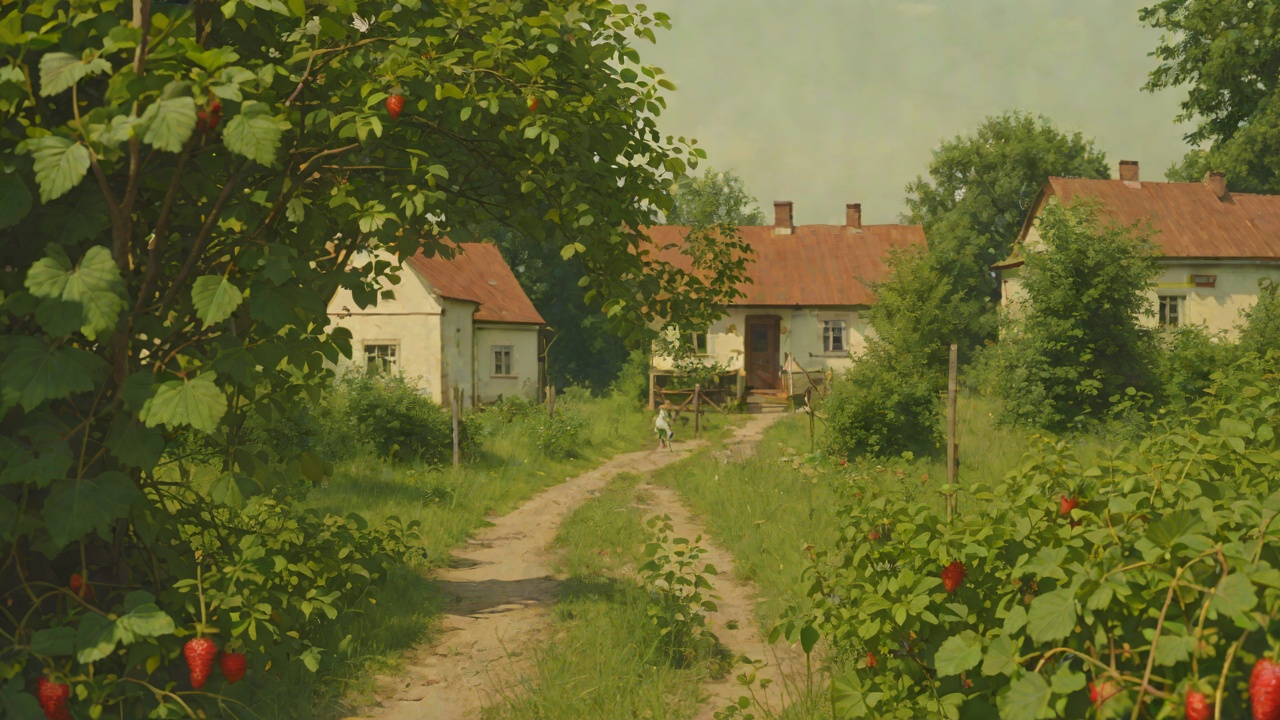
In therapy, the narrator is asked if she misses her country. She imagines a Polish country bumpkin, a strawberry-blonde, an exile just like herself.
Turn
The professionals ask questions about her loved ones and her country, but her mind plays Glenn Gould. She gives them nothing, refusing to be analysed without clues.
Aftermath
The exile is buried under layers of evasion. She cannot or will not turn her foreignness into a story the institution can use.
The Lost Child on the Beach

The Lost Child on the Beach
Context
The narrator remembers being a three-year-old who wandered away from her parents on a beach. She spends the whole afternoon going from tent to tent, eating leftover pastries and being petted by strangers.
Turn
A large man, a lifeguard, lifts her onto his shoulders, and the whole beach claps to help the missing child find her parents. She wants to say, keep looking, this is not my family, but the thought comes too late.
Aftermath
The childhood beach disappearance becomes the original model of her exile. She has been lost from the beginning, waiting to be claimed by the wrong family.
The Stateless Son
The Stateless Son
Context
The narrator thinks of the son she wanted: a son with no record, no identity, no date of birth or last name or social status, born in the darkest corner of the woods.
Turn
She wanted a wandering son, not silenced with dummies but rocked to sleep by animal cries. Instead she has a registered child in a house with first-aid kits.
Aftermath
The desire for statelessness is also a desire to escape all social and family claims. The exile passes from mother to son as a wish, not a reality.
early in the story, at the family table
early in the story, while lying in the underbrush
during the therapy sessions at the institution
during therapy, recalling a childhood episode
after the narrator watches her husband tend the baby's burns
