
The Narrator's Bond with the Stag
Die, My LoveThis emotional thread follows the narrator's spiritual love affair with the stag, the only male who sees her infinite sadness.
increasing Bearing strength in each event
 decreasing
Bearing strength in each eventdecreasingThe Hard Animal Stare
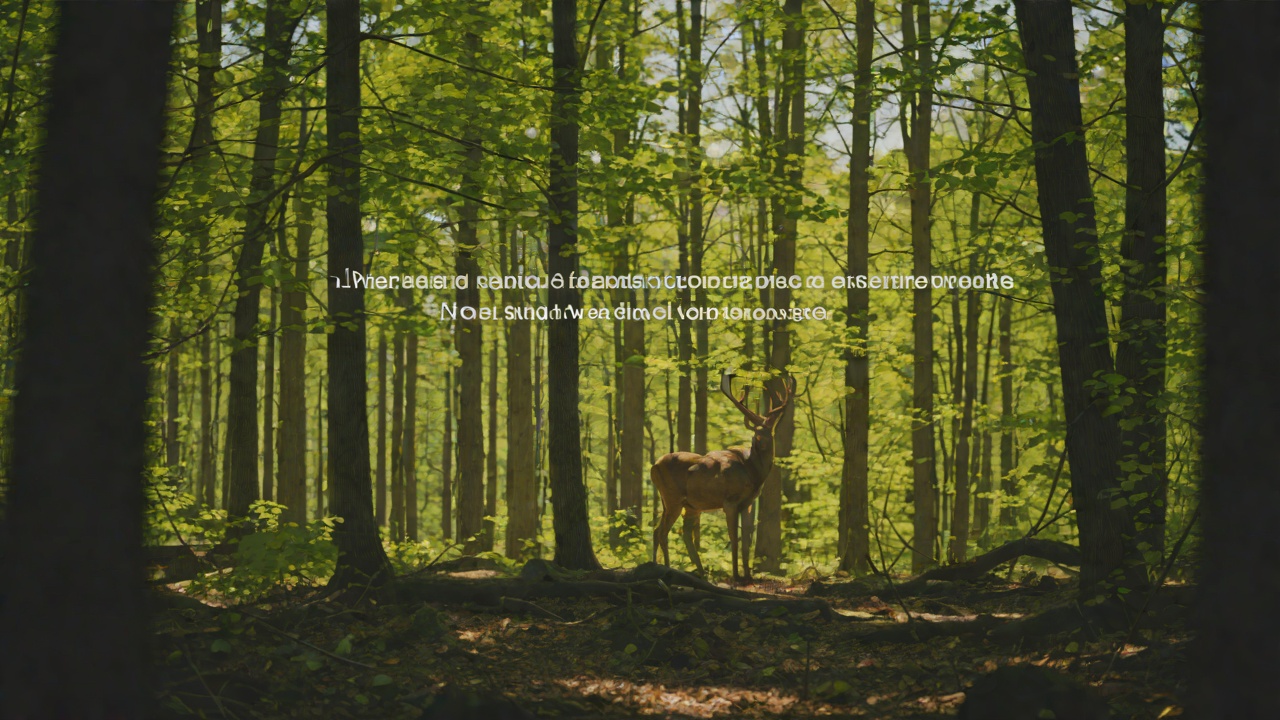
The Hard Animal Stare
Context
The narrator walks down to the woods and a stag appears, shooting her a hard, animal stare. She says no one has ever looked at her like that before.
Turn
She thinks she would put her arms around him if she could. The stag's gaze is the first thing in the story that truly sees her.
Aftermath
The encounter returns whenever the narrator needs relief from human language. The stag becomes her familiar and her lover.
The Golden Eye
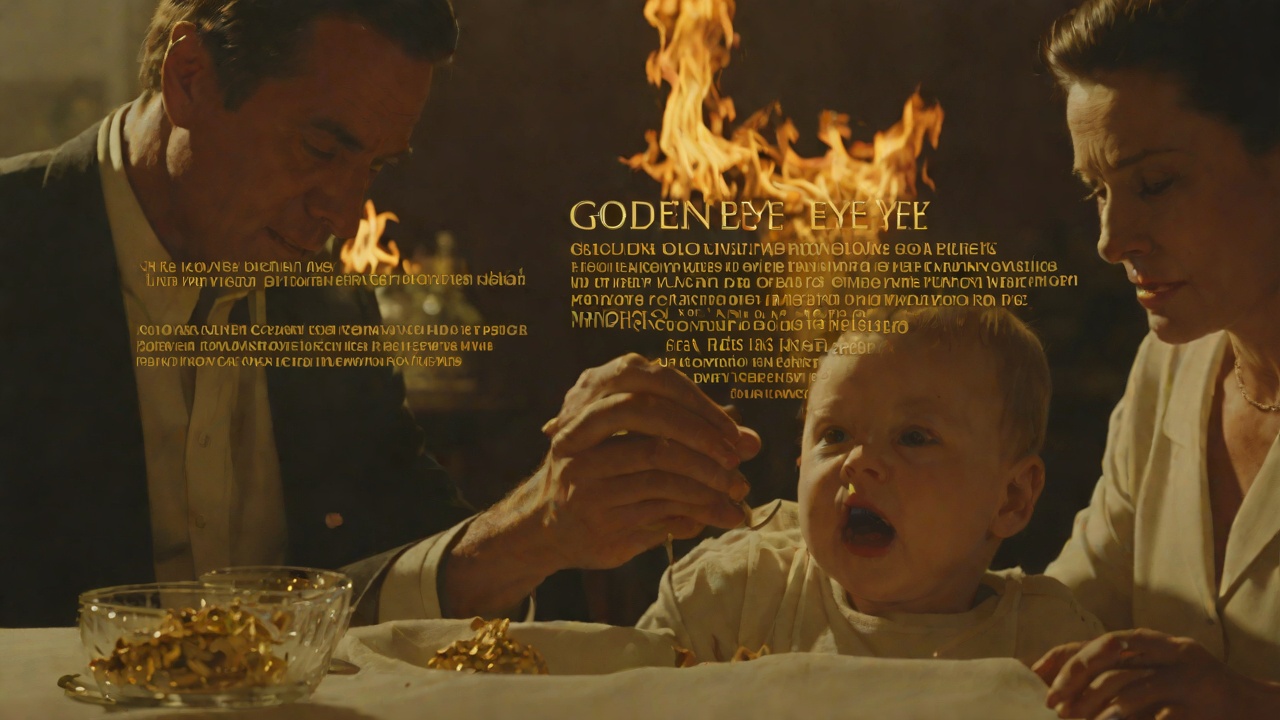
The Golden Eye
Context
While the narrator spies on her husband and son through the glass, the baby burns his hands and the father rushes for bandages. She does not go inside.
Turn
She thinks that what saves her tonight has nothing to do with her husband's love or her son's love. What saves her is the stag's golden eye, still staring at her.
Aftermath
The stag's eye is an anchor in the chaos of the family. The bond is stronger than any human attachment in the book.
The Real Man Is Not Human
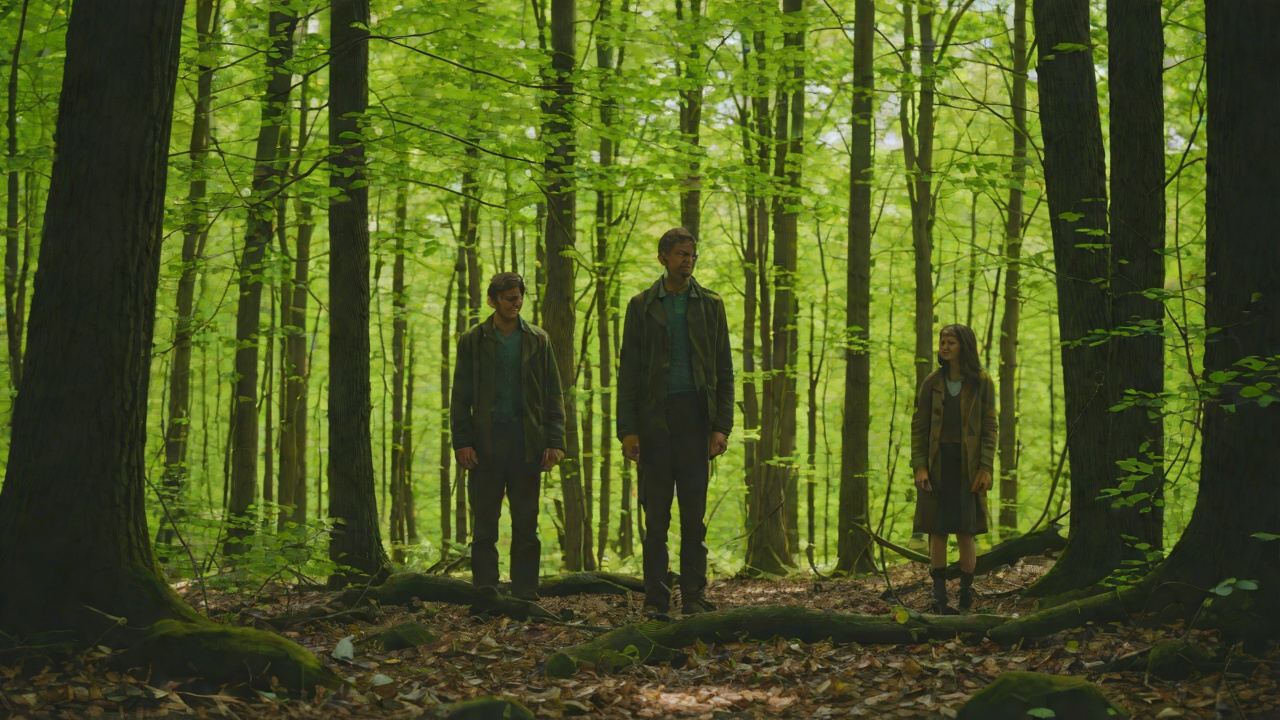
The Real Man Is Not Human
Context
In the woods with her son, the narrator sees the stag stop, embalmed, with eyes of glass. She says he is the man of her life, the one who can see into her infinite sadness.
Turn
She asks what good men are when they speak a language that falls short, and declares that her real man is not human. Who wants to be human, anyway.
Aftermath
The stag replaces both her husband and the radiologist as the ideal vision of maleness. It is an emotional bond that requires no language and no betrayal.
The Search at Release
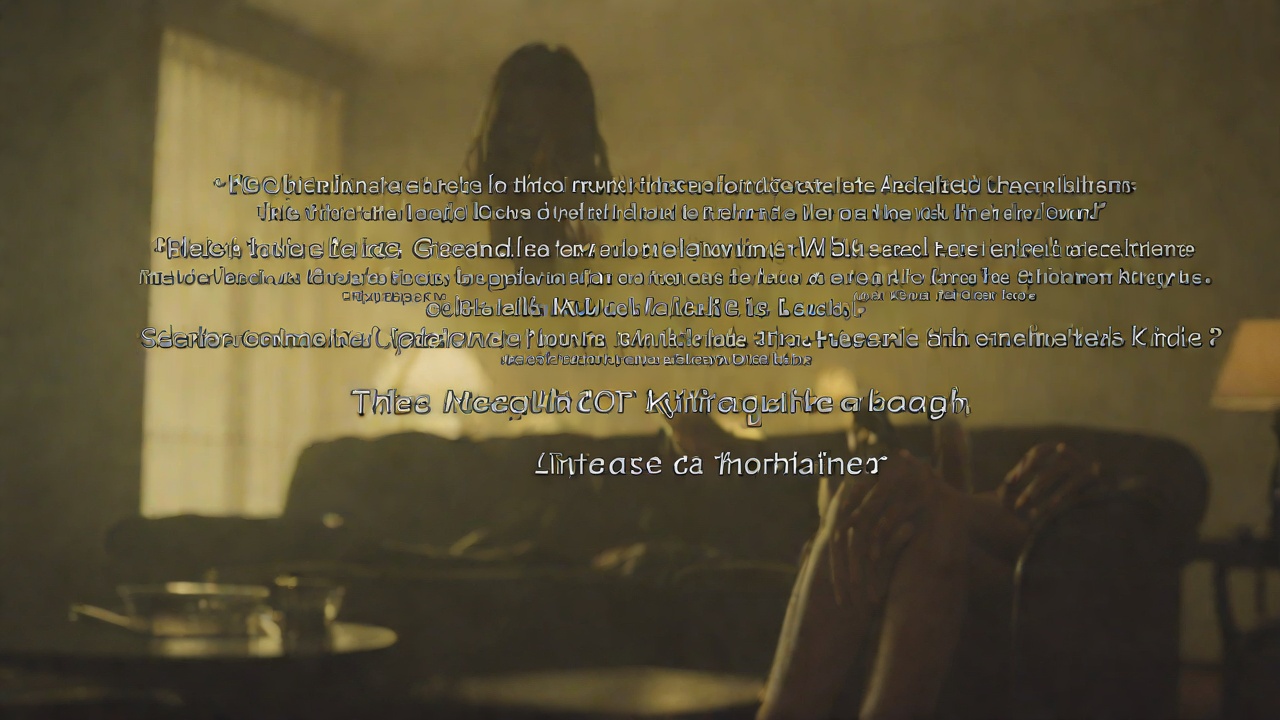
The Search at Release
Context
Released from the institution, the narrator sits on the sofa and sees the reflection of the knife in her hand. She opens the mosquito-meshed door and runs outside to look for him.
Turn
She calls him her darling stag, her one and only, and says she hopes he is out there. The institutional cure has not touched her need for him.
Aftermath
The stag is the only being she actively seeks. The bond with him replaces the bonds with the family that committed her.
The Absent Stag
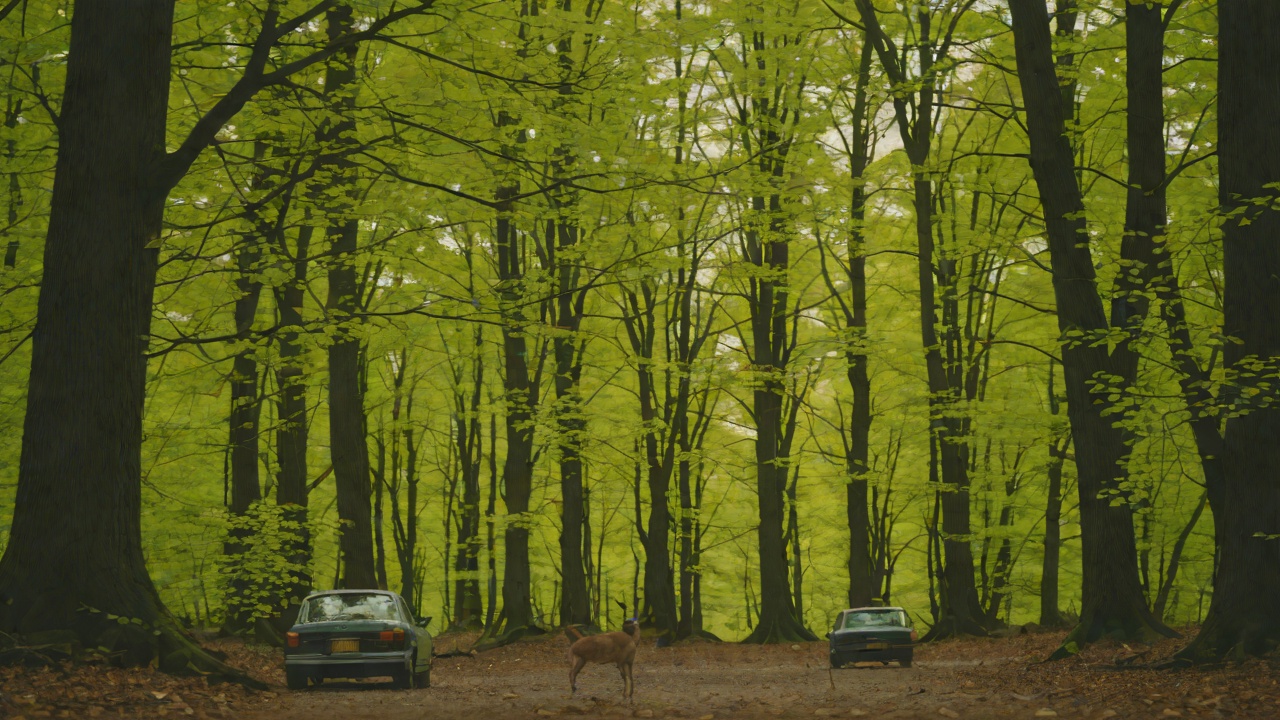
The Absent Stag
Context
In the woods where the husband stops the car, the stag does not appear. The narrator thinks she is there instead, standing in for the animal.
Turn
While the husband reveals the twins and they laugh together, the forest remains empty of antlers. The narrator steps out of the car and disappears into the undergrowth.
Aftermath
The stag's absence marks the end of the story's magical bond. Even the animal lover has to face the human world alone.
a night in the woods while the husband is away
after the narrator watches her husband and son from outside the house
during the episode in the woods when the neighbours come looking
after release from the institution
during the final drive into the woods with her husband
