the house
Die, My Lovethe house is the rural family home of The Narrator, The Husband, and The Son — a former dairy farm that serves as the novel's central, oppressive setting. It is the stage for nearly every major event in the narrative: the narrator's spying on her family, her violent fantasies, the stag collision, the killing of Bloody the dog, her self-harm and hospitalization, and the son's second birthday party. The house is not merely a backdrop but an active force in the narrator's psychological deterioration, embodying the suffocating normalcy of family life that she both resists and is trapped within. Its transformation over the course of the novel — from a place of domestic routine to a site of abjection and finally to a home renovated and 'shining' upon her return from the psychiatric institution — mirrors the narrator's own fractured journey through motherhood, madness, and a fragile return.
Identity and Setting
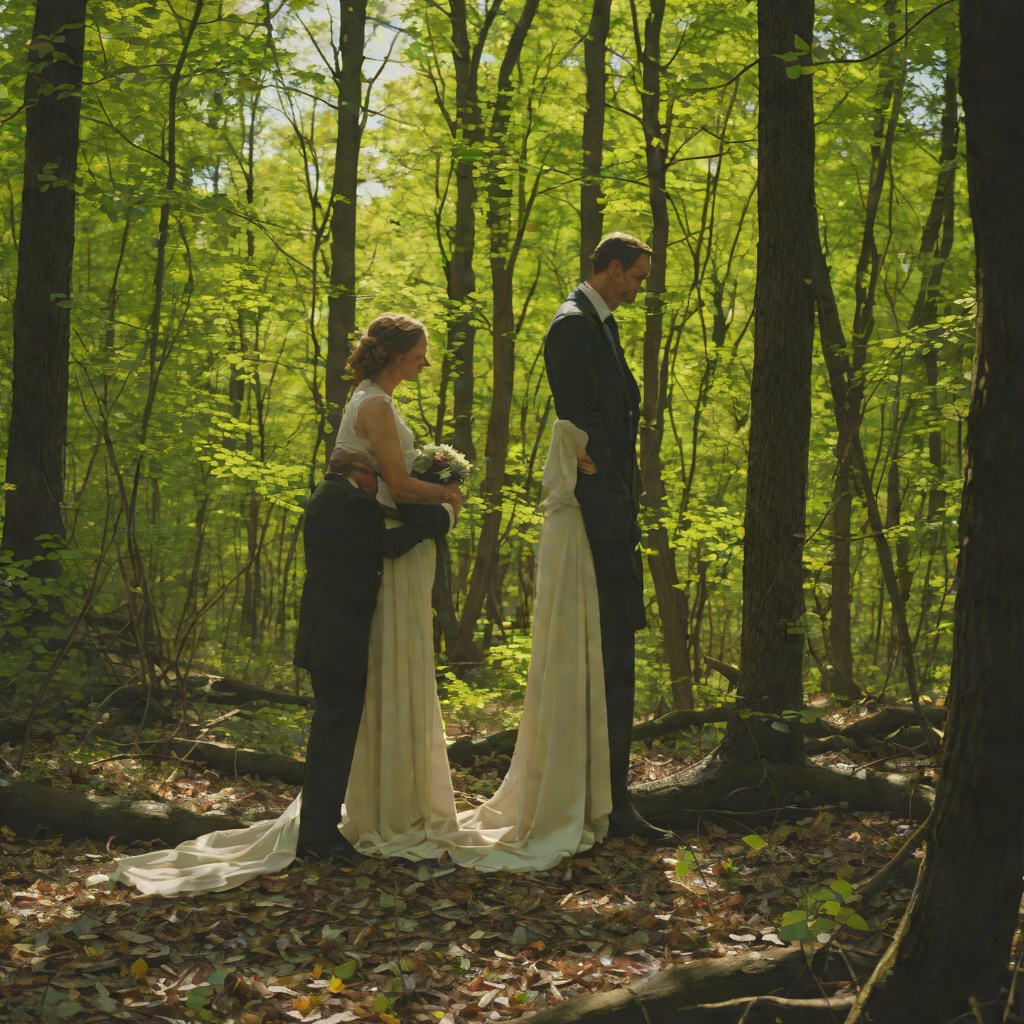
The house is described as "somewhere between dilapidated and homely," a structure that once operated as a dairy farm, a fact the narrator mentions with a sense of ironic detachment. It is located in the countryside, surrounded by underbrush, fallen trees, and unkempt pastures, with a garden that slopes down into the woods. The property includes a garage where The Husband stores his tools, his father-in-law's tractor, a canoe and paddles, and the telescope he uses for stargazing. The house has a porch with a wicker chair, a bedroom with patio doors that open onto the garden, and a son's room lit by a faint blue light. The narrator notes that "any old group of people can make up a family," a remark that underscores how the house's physical ordinariness contrasts with the extraordinary dysfunction of the family living within it. The house is also the site of the narrator's first memory of the baby outside her body, sitting on the porch at nightfall, counting fireflies while her in-laws gather by the fire inside.
Domestic Routines and Rituals
The house is the setting for the family's daily and seasonal rituals, which the narrator experiences with a mixture of boredom and dread. On the Sunday before a bank holiday, the narrator lies hidden in the underbrush, spying on her naked husband and son splashing in a blue paddling pool with water at thirty-five degrees. She describes hanging out the washing — carefully pegging socks, underwear, and shirts to the line — as a performance of normalcy, seeing herself as "an ignorant country bumpkin" before returning to the kitchen. The house is also where The Husband smokes outside while the narrator feeds the baby, where he urinates against the garage's corrugated metal, and where he sets up his telescope at the bottom of the garden to show her the stars. The narrator's refusal to engage with these domestic rituals — she does not join the family at the table for meals, does not share the bed, the table, or the bathroom — marks her growing alienation within the house's walls. The house is where she hears her mother-in-law serving dessert, the spoon scraping the bottom of the bowl, and where she counts fireflies instead of eating the cold food left for her with a note reading "Enjoy your dinner, I love you."
Sites of Violence and Abjection
The house becomes the primary site of the narrator's violent fantasies and acts of self-destruction. In the garden, she lies among fallen trees and imagines the sun on her palm as "a knife I could use to bleed myself dry with one swift cut to the jugular." Inside, she walks towards the patio doors, toying with the idea of crashing through the glass to cut every inch of her body, stopping herself only at the last moment to slide the door open. The house is where she throws an old wooden chair at the mirror, wrenches the door off the wardrobe, and tears the shutters off the window in a fit of rage. It is where The Husband, trying to calm her, brings her a pair of red boxing gloves from his teenage years, and where he throws her onto the bed and opens her legs wide while she longs for a white room with a sea breeze. The house is also where the narrator, in the garage, finds the father-in-law's rifle and aims it at her sleeping husband, demanding he kill the suffering dog Bloody. The dog's cry, "eeeeee, eeeeeee," echoes throughout the house, driving her to madness. The house is where the narrator's cuts are treated after she is brought unconscious from the field, and where The Husband visits her in the hospital, his hand falling precisely on the cut along her neck.
The House as a Space of Death and Decay
The narrator perceives death as permeating the house itself. She sees it "in the fire, in the carpet, in the curtains, in the stuffiness of the old furniture and the silverware," in the flowerless vase, and in the umbrellas piled up near the door. The house is where her father-in-law died in his sleep, his last words — "My grandson will follow in my footsteps" — haunting her as she stands before his grave. The house is also where the family buries Bloody the dog, in a mound of earth in the garden, after the narrator's husband shoots it. The dog lies unburied through the night with a bullet in it, its eyes full of flies by noon, its entrails all over the place. During the son's second birthday party, the narrator's gaze falls on this mound of earth, and she realizes the children are skipping over the makeshift grave, singing and laughing and holding hands. The house is where she rushes inside and slams the bedroom door, shouting "I hope you all die, every last one of you," while her husband knocks and calls her "Darling, honey, sugar, sweetheart, my bunny rabbit, my love."
Transformation and Return
After the narrator is committed to the psychiatric institution, the house undergoes a transformation that mirrors her own uncertain recovery. When she returns, she finds the house "shining," with changes: a microwave with the time flashing, a tablecloth embroidered with the petals of large flowers, and a new cordless phone with a notepad next to it. She sits on the sofa facing the fireplace, and their movements appear as "halos of light." The reflection of the first knife she ever dreamt of is in her hand again, and she reflects that if she had been admitted on medical grounds rather than punished, she wouldn't have this dagger in her hand. Scared, she moves towards the glass door she once crashed through, which now has a mosquito mesh on it, and runs outside to look for the stag, hoping to see the tips of his antlers. The house, once a site of her entrapment and despair, becomes the place where she searches for the wild creature that represents her true self, suggesting that even after her return, the house cannot contain her longing for escape.