
The Old Man and the Crime
DingoThis thread links Dingo’s spontaneous kindness toward a stranger to an assault, public spectacle, and the narrator’s uncertain moral judgment.
increasing Bearing strength in each event
 decreasing
Bearing strength in each eventdecreasingA Cart on the Hill
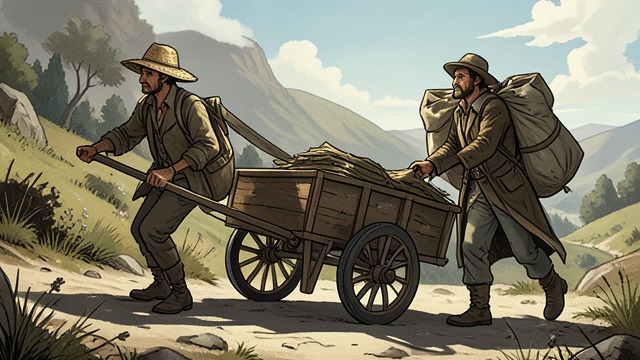
Help on the Road
A Stranger Struggles
A small, exhausted man drags his household possessions uphill under punishing heat.
Dingo Joins In
Dingo walks beside him and imitates the effort of pulling the cart, offering companionship without being asked.
A Crime at Montbiron
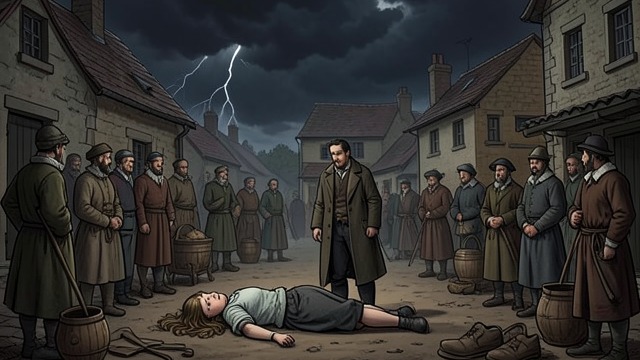
Violence After Hospitality
A Child Is Killed
A twelve-year-old girl is assaulted and murdered after her family gives lodging to a wandering worker.
Rumor and Judgment
The village rapidly turns the crime into gossip, moralizing, and an excuse to debate poverty, class, and the victim’s family.
A Sunday Crowd
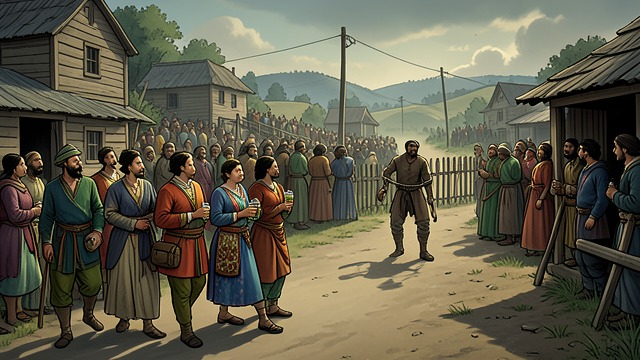
The Crime as Entertainment
A Village Excursion
Residents travel to Montbiron dressed for a spectacle, buying refreshments and hoping to see the accused.
Curiosity Outweighs Compassion
The crime briefly makes the town famous, while the crowd’s excitement exposes how easily suffering becomes public amusement.
Dingo Recognizes Him
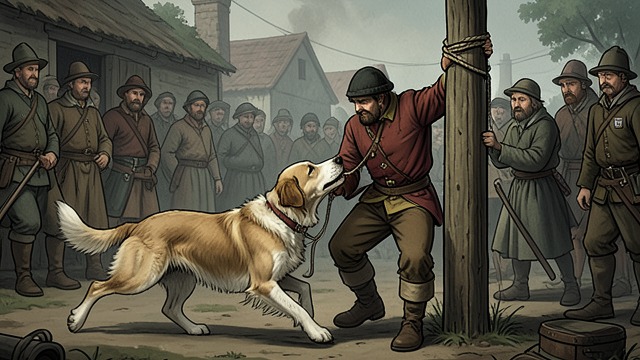
Affection for the Accused
A Public Gesture
Dingo runs to the shackled man and licks his hands and face, apparently recognizing the stranger from the road.
Scandal in the Crowd
The villagers interpret the dog’s compassion as disgraceful, and the narrator must claim Dingo before the guards treat him as suspicious.
Trial and Uncertainty

An Uneasy Judgment
The Confession
Joseph Coquereux recounts the killing and assault in a halting, self-justifying account that the court interrupts and ridicules.
The Narrator’s Doubt
The sentence of twenty years does not settle the narrator’s unease; Dingo’s pity and the man’s misery leave him questioning what the dog perceived.
A hot afternoon before the storm
The evening after the encounter
The afternoon after the crime
When the prisoner appears outside the town hall
At the Beauvais assizes, weeks later
