
Dingo and the Narrator
DingoThis thread follows a relationship built on tenderness and mutual attachment, yet repeatedly strained by the narrator’s attempts to control Dingo.
increasing Bearing strength in each event
 decreasing
Bearing strength in each eventdecreasingA Proud Friendship
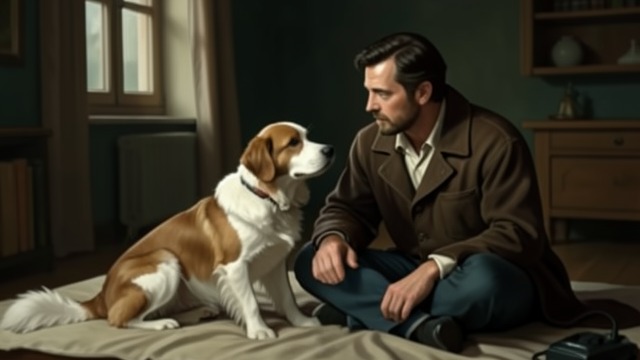
Affection Without Servility
A Distinctive Attachment
The narrator believes Dingo loves him without the submission that often makes human relationships feel unequal.
Gratitude and Doubt
He imagines that Dingo values his attempts to understand him, while admitting that animal motives remain unknowable.
The Dog’s Advice
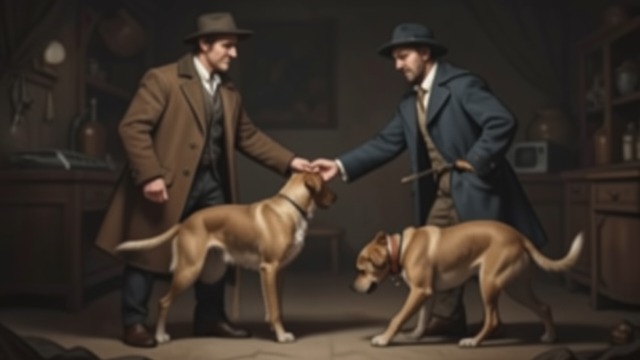
Trust in Animal Perception
A Guide to Character
The narrator uses Dingo’s reactions to decide whom to trust, withdrawing from people the dog dislikes.
An Uncertain Method
After Dingo shows compassion to a criminal, the narrator questions whether canine insight can be separated from a taste for corruption or suffering.
The Failed Ideal
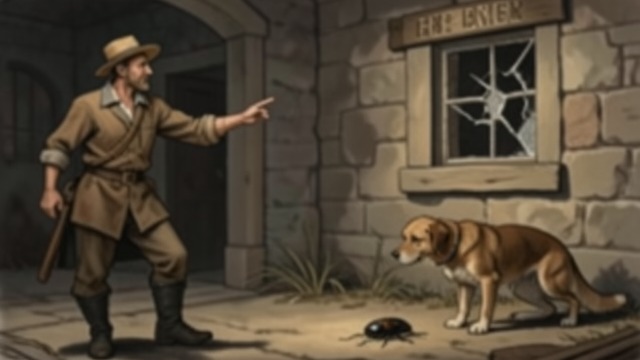
An Attempt to Civilize
Lessons in Citizenship
The narrator urges Dingo to accept French civic values and calls on him to become a good citizen.
Refusal
Dingo remains absorbed by an insect and later acts on his hunting instincts, exposing the emptiness of the narrator’s educational ideal.
The Narrator’s Complicity
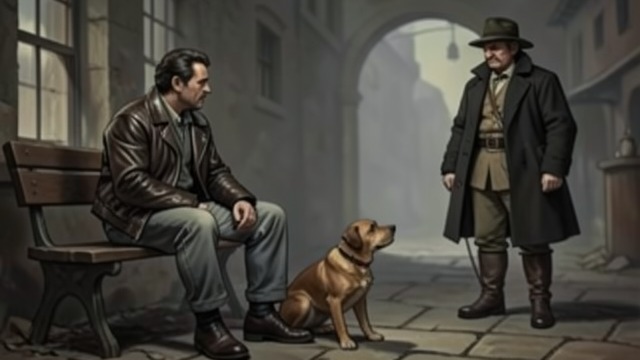
Love Mixed with Shame
Violence Excused
The narrator increasingly sees Dingo’s attacks as responses to human greed, cruelty, or provocation.
A Troubling Affinity
He wonders whether his indulgence reflects his own dormant appetite for violence, rather than a consistent moral defense of the dog.
A Final Farewell
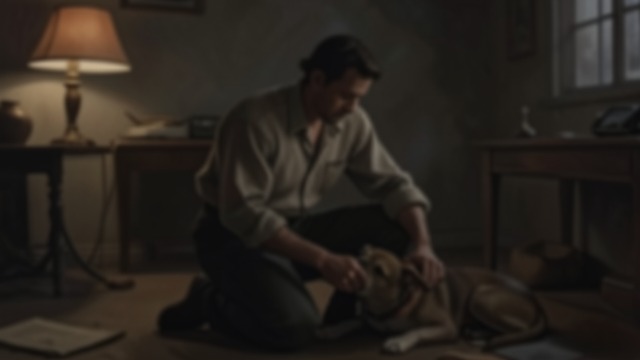
Grief at the Bedside
The Last Gesture
Dingo gathers his failing strength to raise his paws toward the narrator, then collapses with his head on the narrator’s knees.
Love After Death
The narrator remembers the puppy from the black crate and rejects attempts to diminish his grief because the dead companion was a dog.
After Dingo becomes a household companion
During the narrator’s trust in Dingo’s judgments
Before the move from Ponteilles
During Dingo’s countryside massacres
The night Dingo dies
