
The Muzzling Ordinance
DingoThis thread follows Théophile Lagniaud’s indirect handling of the dog crisis and the village’s use of law as a tool of convenience.
increasing Bearing strength in each event
 decreasing
Bearing strength in each eventdecreasingA Mayor Who Avoids Conflict
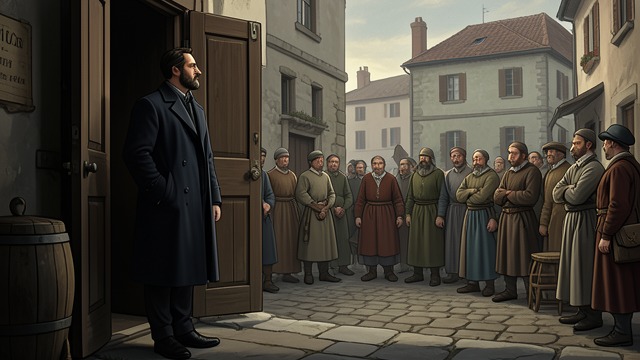
The Politics of Evasion
Local Authority
Théophile Lagniaud prefers quiet and carefully avoids taking a clear position when disputes threaten to become public.
A Familiar Motto
His desire for “no trouble” makes him responsive to pressure while unwilling to assume direct responsibility.
The Hunters Demand Action
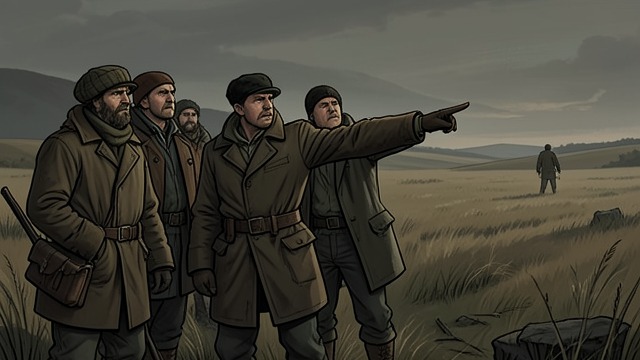
Pressure from the Hunting Society
Lost Game
Hunters complain that Dingo has exhausted or killed the partridges they expected to pursue.
A Threat Proposed
Some advocate killing him, while others consider reporting the narrator to higher authorities.
The Mayor’s Visit
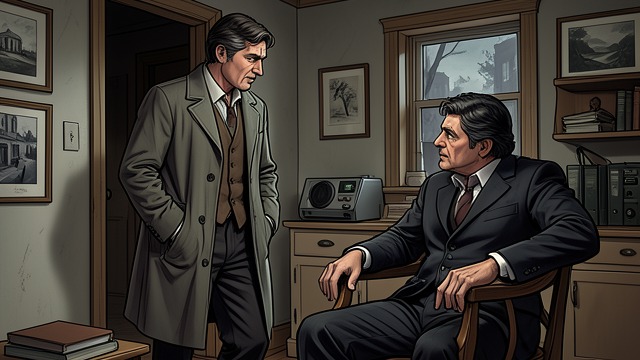
An Indirect Conversation
A Pretext of Courtesy
Lagniaud visits the narrator and circles through talk of the weather, health, and a future school ceremony.
The Dog Left Unmentioned
He never directly states the residents’ complaint, allowing him to claim that he merely came to talk.
An Ordinance Prepared
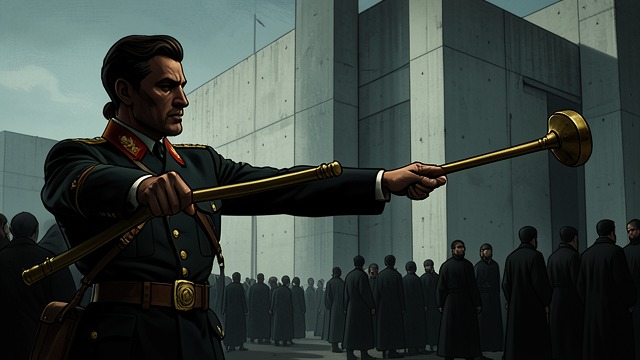
A Rule by Implication
The Adjoint’s Signature
Lagniaud arranges for an order requiring most dogs to wear muzzles, with exceptions for working dogs.
A Target Selected
Though the rule does not name Dingo openly, its intended effect is clear to the narrator.
The Order Fails to Contain Him
Law Against Instinct
A Rule Announced
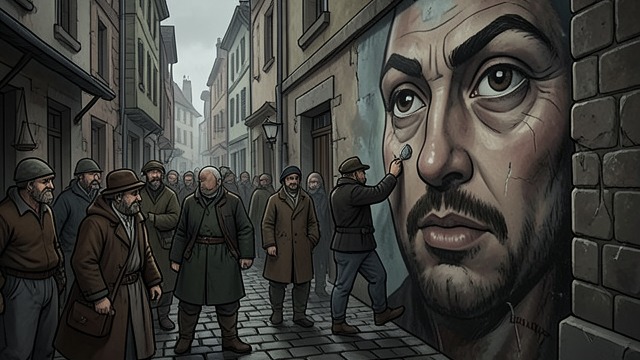
The decree is posted and generally approved despite its doubtful validity and selective exemptions.
Violence Continues
Soon afterward, Dingo’s attacks spread across the countryside, proving that a paper rule cannot restrain the animal or resolve the village’s underlying conflict.
During the first animal-loss complaints
After Dingo’s attacks ruin the hunting season
The morning after Irma Pouillaud’s complaint
After the narrator declines the school invitation
The day the ordinance is posted
