
The Animal’s Moral Standing
DingoThis thread traces the narrator’s changing understanding of animals as thinking, feeling beings rather than property or instruments.
increasing Bearing strength in each event
 decreasing
Bearing strength in each eventdecreasingDingo’s Resistance
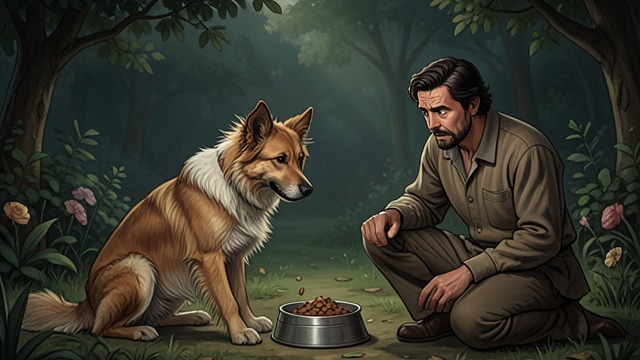
A Will of His Own
Refusal as Judgment
Dingo rejects food and commands that do not suit him, while learning quickly what brings genuine pleasure or use.
Individuality Recognized
The narrator begins to see stubbornness not merely as disobedience but as defense of an animal personality.
Animal Speech
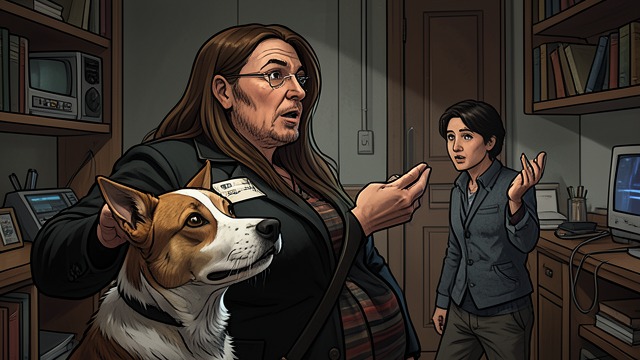
A Language Humans Miss
Dogs Understand People
Dingo responds to ordinary words about walks and play without formal training.
Human Ignorance
The narrator argues that dogs understand human speech while humans remain unable to decipher theirs, unsettling assumptions about superior communication.
Compassion for a Prisoner
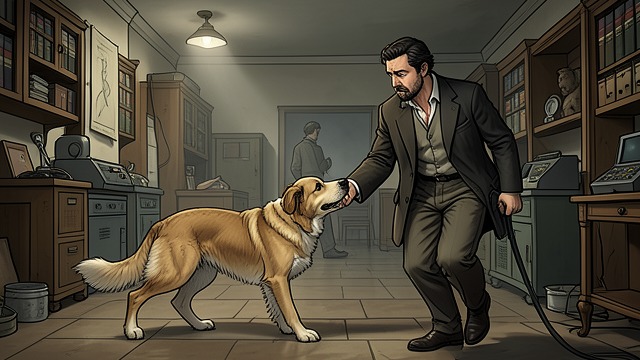
Sympathy Outside Respectability
Dingo’s Public Gesture
Dingo comforts Joseph Coquereux while the prisoner is being led away, disregarding the crowd’s condemnation.
A Moral Challenge
The narrator cannot decide whether the gesture reveals compassion, error, or a perception of suffering that social judgment excludes.
The Crowded Household
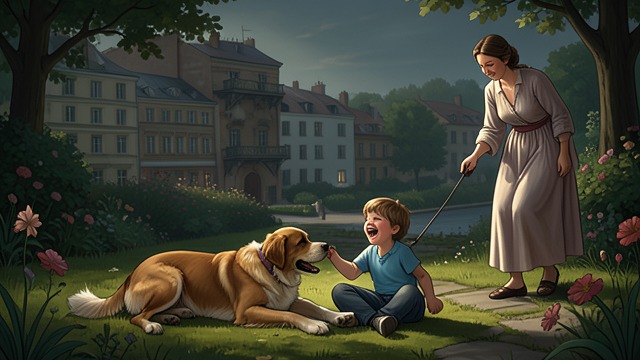
Care Across Difference
Gentle Play
Dingo brings Piscot’s small children into the garden and plays with them without asserting social distance.
Animal Care Revealed
His tenderness contrasts with the children’s deprivation and their mother’s exhausted violence, complicating any simple ranking of human and animal virtue.
Grief for a Dog
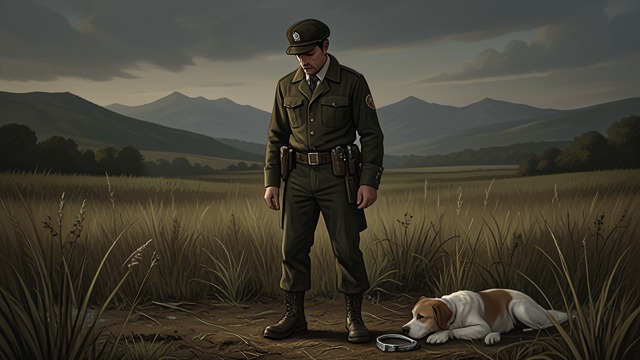
The Value of an Animal Life
Refusing Dismissal
The narrator rejects the thought that a dog’s death should matter less than a human death.
A Bond Beyond Doctrine
Without relying on promises of immortality, he insists that Dingo’s death is real because Dingo himself was loved and irreplaceable.
During the puppy’s early training
After Dingo demonstrates understanding of everyday commands
At the Montbiron town hall
During Dingo’s companionship with Piscot’s children
After Dingo’s death
