
The Failure of the Ideal
DingoThis thread follows the narrator’s belief in education and civilization as it gives way before instinct, hypocrisy, and coercive social norms.
increasing Bearing strength in each event
 decreasing
Bearing strength in each eventdecreasingA Magic Word
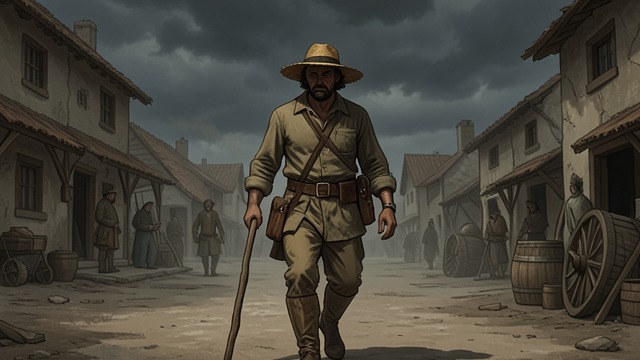
The Narrator’s Ideal
A Need to Reform
The narrator admits that he likes to preach and intervene in matters beyond his control.
A Talismanic Hope
He repeats the word “ideal” as though it could make Dingo’s instincts safe, despite knowing that human ideals have often caused damage.
The Citizen’s Lecture
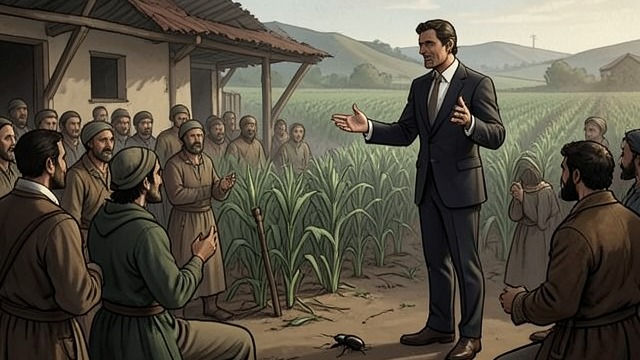
A Lesson in Patriotism
National Virtues Offered
The narrator praises French civic life and urges Dingo to accept its laws and social discipline.
No Conversion
Dingo ignores the speech and attends to a beetle, leaving the narrator’s authority untested by any genuine understanding.
Instinct Outlasts Eloquence
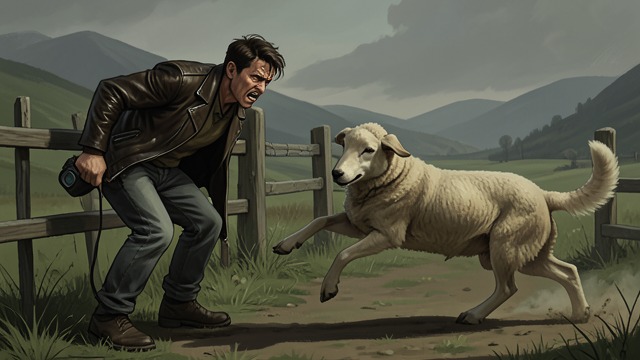
The Ideal Fails
Growing Predatory Drive
Dingo’s reactions to sheep, poultry, and cattle become more forceful and harder to restrain.
A Failed Education
The narrator concludes that eloquence has not softened Dingo’s inherited drives and admits that he asked a dog to become a man.
The Costs of Control
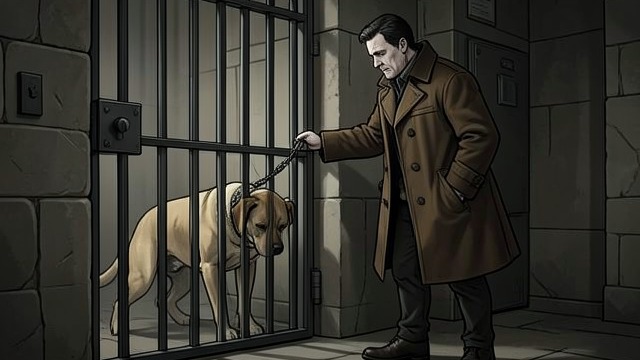
Safety Through Confinement
Restrictions Imposed
The narrator chains or locks Dingo away and limits his exercise to prevent further attacks.
Freedom Diminished
Dingo escapes, or else becomes withdrawn and inactive, revealing the harm of control designed only to protect human convenience.
No Humane Resolution
The Conflict Remains
Wildness and Harm
Dingo’s freedom brings vitality but also lethal attacks, while restriction suppresses the life that makes him himself.
An Unresolved Loss
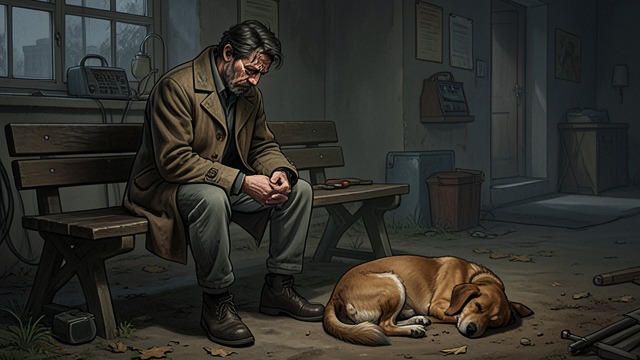
The narrator’s reflections after Dingo dies provide no formula that reconciles animal freedom with human safety.
Before the countryside attacks begin
During a walk with Dingo in Ponteilles
As Dingo approaches adulthood
After Dingo’s hunts provoke public anger
During the narrator’s final rural years with Dingo
