
Satire of Rural Property and Power
DingoThis thread traces the novel’s critique of village institutions that protect property and authority while neglecting people in need.
increasing Bearing strength in each event
 decreasing
Bearing strength in each eventdecreasingThe Mayor’s Republic
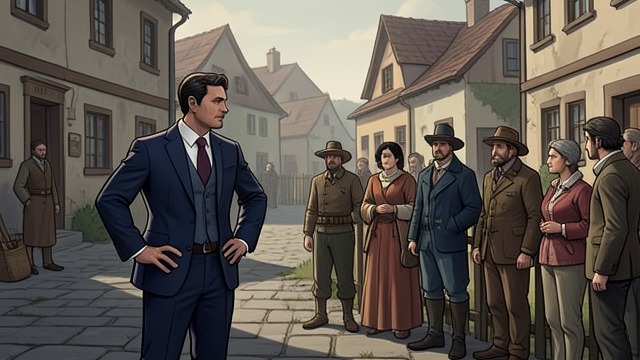
Privilege Called Democracy
A Property-First Politics
Théophile Lagniaud supports a republic that protects landownership, taxes lightly, and preserves existing privileges.
Leadership Without Risk
His political caution favors arrangements that keep the village quiet and his own position secure.
Jaulin’s Informal Rule
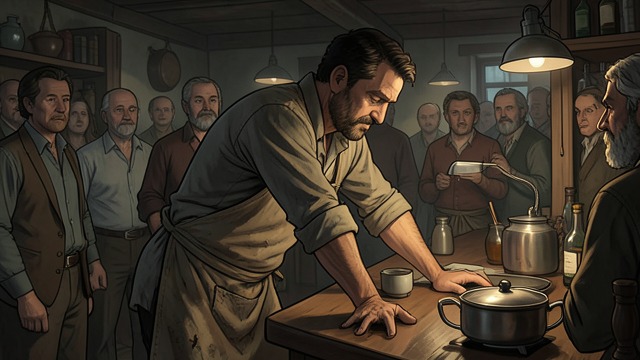
Power at the Tavern
Influence Without Office
Évariste Jaulin leads local opinion from his cabaret while avoiding the public responsibilities of the mayoralty.
A Practical Morality
His willingness to lend, trade, and drink gives him influence in a community where economic transactions quietly determine social rank.
The Notary as Sacred Figure
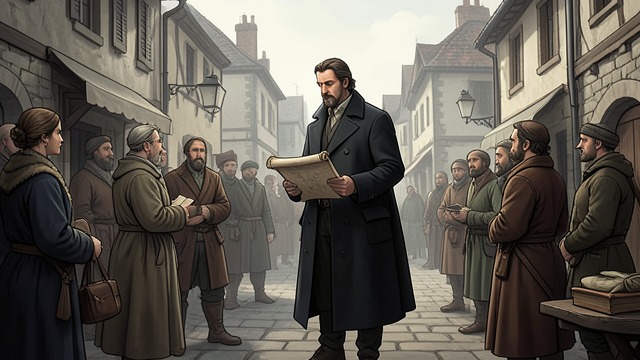
Property’s Local Priesthood
Trust in Legal Jargon
Farmers grant the notary authority because his language is mysterious and his role binds land, inheritance, and money.
Repeated Exploitation
The villagers’ trust survives earlier fraud, making the institution’s prestige a condition that enables new losses.
Piscot’s Poverty Beside Wealth
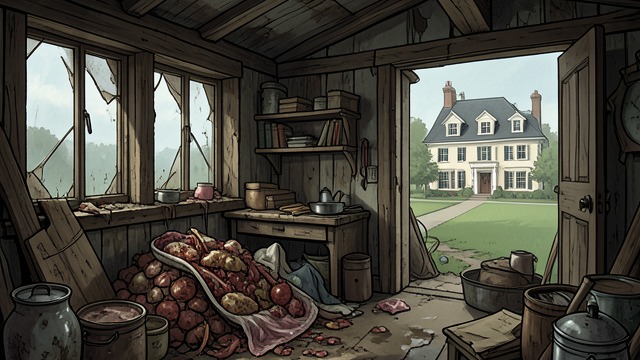
Rural Plenty, Rural Hunger
A Poor Household
Piscot’s family lives in filth and want despite the wealth the narrator sees accumulated around the village.
Charity Without Justice
Assistance is unreliable and often inadequate, while property owners and officials preserve resources and dismiss the poor man’s needs.
The Village’s Refusal of Change
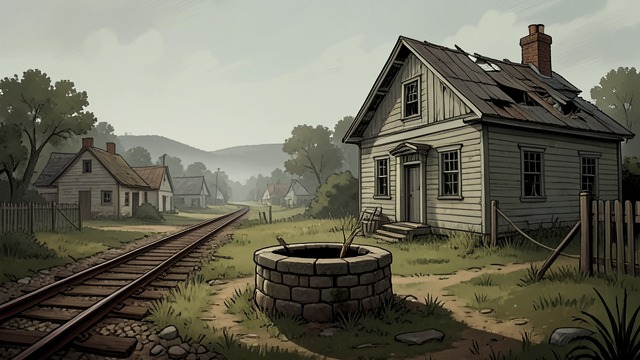
Habit Protects the Powerful
Infrastructure Delayed
The railway, water supply, and better schooling remain unrealized despite clear local need.
Costs Passed Downward
The poor bear expensive transport, limited education, and poor services, while the village treats stagnation as a natural order.
During the narrator’s early portrait of Ponteilles
During the narrator’s account of village life
Before Anselme Joliton’s fraud is revealed
During the narrator’s conversations about Piscot
In the months before the narrator leaves
