
Collective Scapegoating
DingoThis thread traces how Dingo’s real offenses become a vessel for the village’s accumulated fears, resentments, and misfortunes.
increasing Bearing strength in each event
 decreasing
Bearing strength in each eventdecreasingThe Outsider Marked
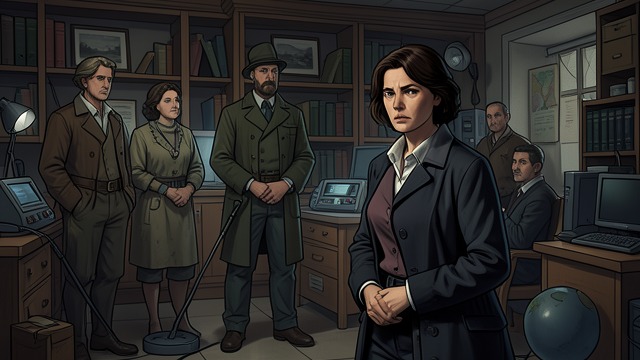
Difference Invites Suspicion
Foreign Origins Emphasized
Marie’s stories about Dingo’s distant homeland make him seem more dangerous than an ordinary dog.
Refusal Read as Threat
His independence and rejection of treats become signs of menace in a village already wary of outsiders.
Real Harm Accumulates
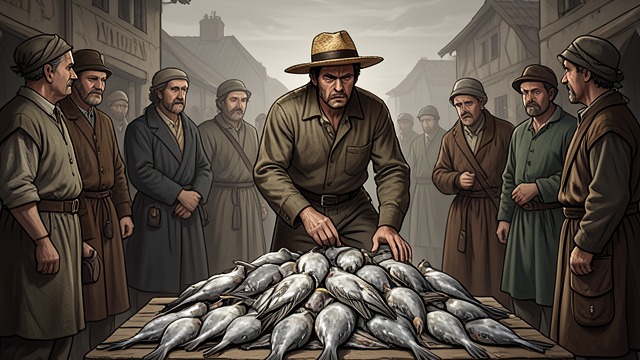
Fear Gains a Factual Core
Livestock Killed
Dingo genuinely destroys poultry and other animals, creating losses that residents can plausibly resent.
Suspicion Broadens
The real danger makes later exaggerations easier to believe and turns the narrator’s attachment into a perceived threat to the entire community.
Misfortunes Assigned to Dingo
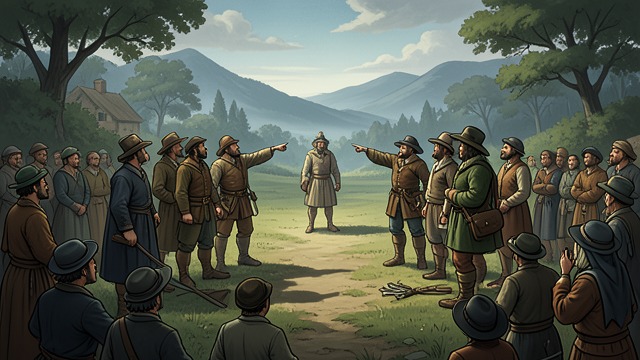
A Cause for Every Loss
Beyond the Dog’s Reach
Villagers blame Dingo for illness, crop damage, and other setbacks without establishing a connection.
Fear Becomes Explanation
Assigning misfortune to a hated creature replaces uncertainty with a common target and reinforces collective belief.
The Narrator Becomes Complicit
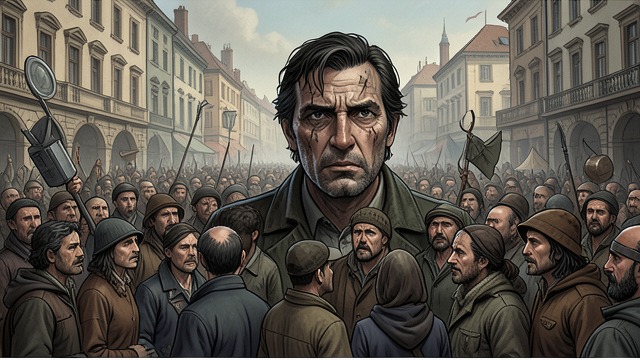
A Household Shares the Blame
Suspicion Spreads
Local accounts and newspapers connect Dingo’s behavior with the narrator’s identity, visitors, and imagined political motives.
Social Exclusion Deepens
The animal’s reputation turns the owner into a target, confirming a hostility that existed before Dingo arrived.
The Scapegoat Leaves
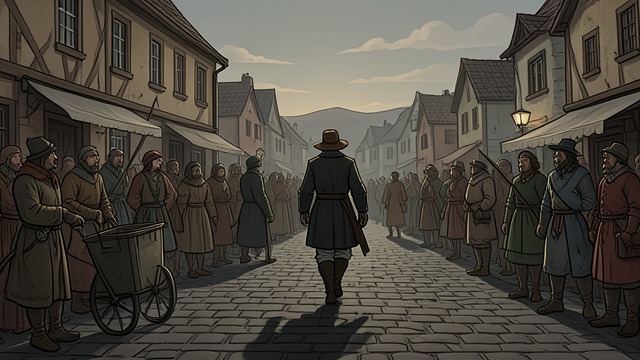
Escape Instead of Reconciliation
Danger Becomes Intolerable
Threats against Dingo and the narrator’s growing isolation make continued residence impossible.
No Community Reckoning
The narrator leaves without any public examination of the village’s own cruelty, fear, or contribution to the crisis.
Soon after Dingo appears in Ponteilles
After the first attacks on farm animals
After the attacks spread across neighboring farms
As the narrator hides from Ponteilles
When the narrator sells his property
