
The Violence of Hunting
DingoThis thread follows the novel’s challenge to the distinction between respectable sport and savage predation.
increasing Bearing strength in each event
 decreasing
Bearing strength in each eventdecreasingDingo’s Hunting Tableau
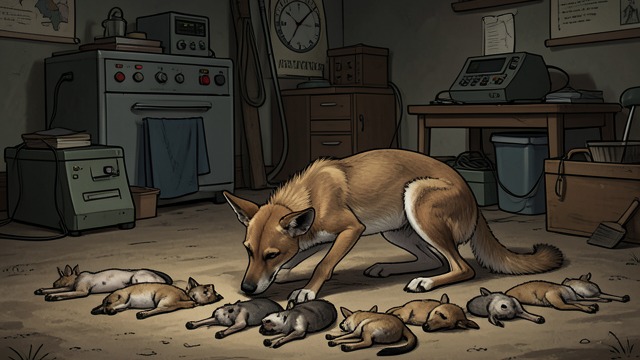
Violence Made Orderly
A Methodical Arrangement
The mother dingo kills shipboard animals and lays them in rows, as if displaying the results of a hunt.
A Human Parallel
Herpett’s delight in the scene suggests that the practices humans call civilized may have roots in animal violence.
The Villagers’ Bloodlust

Punishment as Entertainment
A Crime Becomes a Show
The crowd travels to see the accused and calls for death while buying food and circulating through the town.
Spectators’ Indifference
The novel sets the crowd’s casual appetite for spectacle beside the harm suffered by the child and the poverty of the prisoner.
The Partridge Society

Sport Depends on Control
Managed Expectations
Hunters have counted the partridges and prepared for a season of organized pursuit.
Anger at Competition
Dingo’s independent hunting ruins their plans, exposing that their objection concerns not killing itself but who controls the hunt.
The Deer Chase

Pursuit Made Respectable
Riders and Spectators
Mounted hunters, dogs, and a crowd drive a deer toward the river, where people anticipate a dramatic kill.
Violence Celebrated
The organized hunt presents bloodshed as tradition and entertainment, despite the fear and exhaustion of the pursued animal.
The Narrator’s Discomfort
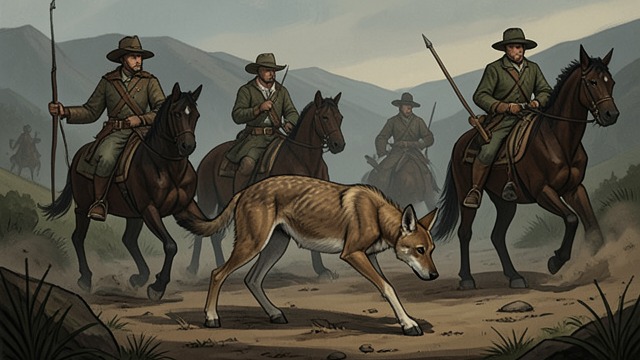
A Dog in the Human Hunt
Dingo Joins the Pack
The narrator sees Dingo leading the pursuit and feels shame at finding his companion among the mounted hunters.
Moral Distinctions Blurred
Dingo’s own predation and the crowd’s sanctioned violence converge, challenging the narrator to distinguish instinct from respectable cruelty.
In Herpett’s account of the mother’s shipboard attack
During the public display of Joseph Coquereux
After Dingo wipes out the local game
At dusk during the Seine hunt
After the deer is killed in the Seine
