
Class Grievance and Peasant Resentment
DingoThis thread traces the narrator’s uneasy interpretation of rural resentment as both present-day hostility and the afterlife of historical oppression.
increasing Bearing strength in each event
 decreasing
Bearing strength in each eventdecreasingThe Outsider’s Welcome
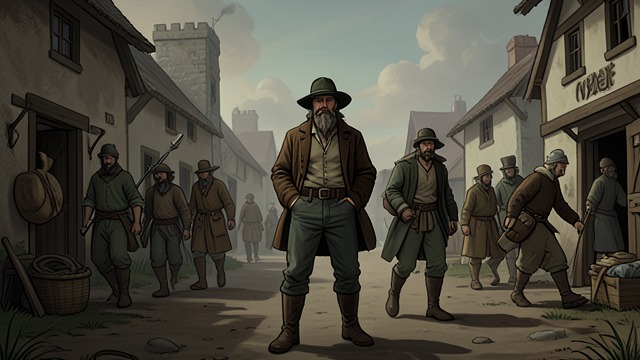
A Foreigner in the Village
Suspicion at Arrival
The narrator encounters distrust and obstruction despite arriving with hopes of being useful to local people.
Hostility Explained
He first experiences the villagers’ exclusion as irrational, then considers whether it reflects older relations of domination.
A Village of Hidden Wealth

Poverty and Accumulation
Uneven Rural Life
The teacher argues that the apparently shabby village contains substantial private wealth accumulated alongside visible poverty.
Profits Without Improvement
Residents store money and wait for favorable prices, while common needs such as water and schooling remain unmet.
The Teacher’s Indictment

A Democratic Critique
Laws Favor the Powerful
The teacher argues that political majorities preserve policies that enrich landowners while burdening workers and small taxpayers.
The Narrator’s Unease
He agrees that the village is unjust but also recognizes his own privileged position within the social order he criticizes.
The Narrator’s Historical Account

Memory of Oppression
A Long Rural History
The narrator suggests that generations of exploitation by nobles, clerics, and the state have left peasants suspicious of those better dressed or educated.
Resentment as Revenge
He interprets their present-day greed and hostility as a confused repayment of historical debts, while admitting that they may not always be wrong.
The Poor Man’s Conformity
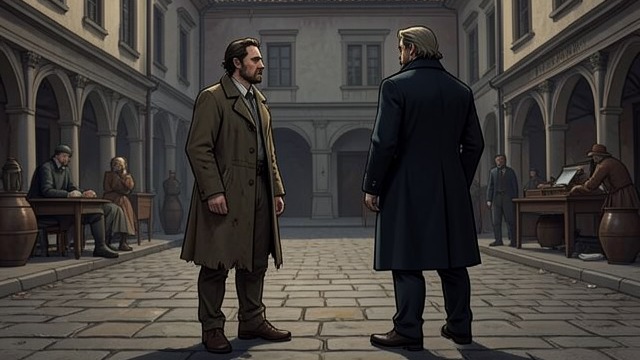
Respectability at a Price
Piscot Changes Sides
Pierre Piscot grows cooler toward the narrator because defending Dingo risks his standing in the village.
The Cost of Belonging
His fear of losing consideration shows how the poor may repeat community prejudice to preserve a fragile place within it.
During the narrator’s first months in Ponteilles
During the narrator’s late-night talk with the teacher
During the same evening conversation
After the teacher condemns the village
After Dingo’s conflict with Joseph Velu
