
The Six-Franc Debt
DingoThis thread follows Pierre Piscot’s small arithmetic dispute as legal costs and social fear turn it into crushing poverty.
increasing Bearing strength in each event
 decreasing
Bearing strength in each eventdecreasingA Workman’s Poverty
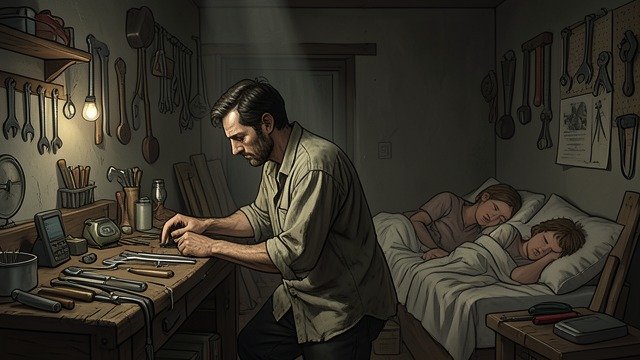
Piscot’s Precarious Life
Labor and Need
Pierre Piscot works wherever he can, supports a large family, and remains poor despite his strength and willingness to help.
A Familiar Fatalism
He accepts the village’s hierarchy as inevitable, even while its wealth surrounds his family’s deprivation.
The Clothing Purchase
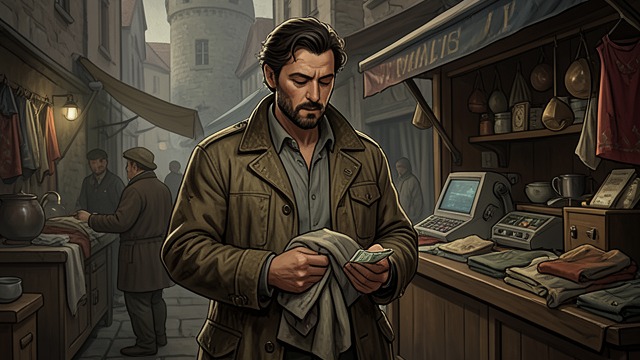
Nine Francs Owed
A Small Transaction
Piscot buys a work coat from Toutlemal for nine francs and has earned three francs for announcing the merchant’s visits.
A Simple Calculation
He believes the six-franc balance should settle both sides’ accounts, but the merchant insists on collecting the full nine francs first.
The Case Goes to Court
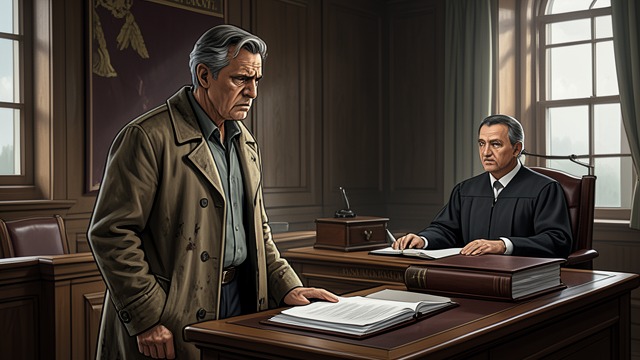
Arithmetic Becomes Litigation
No Practical Settlement
Toutlemal and the officer treat Piscot’s reasonable offset as an unresolvable dispute and push it toward the justice system.
Fees Multiply
Instead of ending the matter, legal procedures add charges that soon dwarf the original disagreement.
Workplaces Withdraw
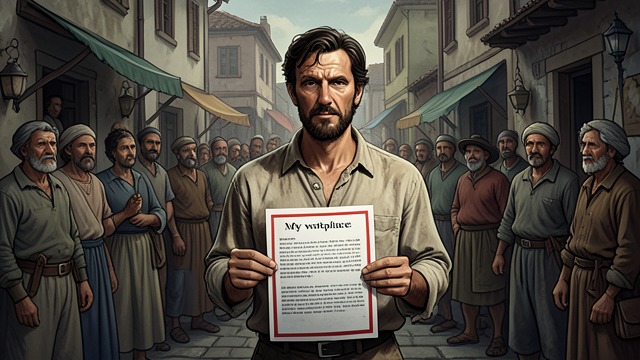
Debt Enters the Workplace
Growing Costs
Judgments and enforcement expenses raise Piscot’s debt well beyond the original sum, while notices reach those who employ him.
Fear Replaces Solidarity
Employers stop hiring him to avoid legal complications, despite acknowledging that he needs work to live.
Nine Francs Repeated
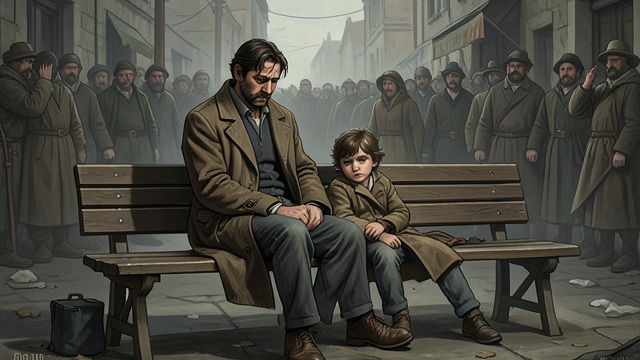
A Debt Without an End
Poverty Deepens
With little work and more frequent drinking, Piscot’s family faces worsening hardship and another child on the way.
A Fixed Refrain
He keeps insisting that he owes nine francs and is owed three, while the village treats his ruin as entertainment.
During the narrator’s life in Ponteilles
After Piscot buys a work coat in Montbiron
After the merchant consults an enforcement officer
Three months after the dispute begins
After Piscot loses most of his regular work
