Boston
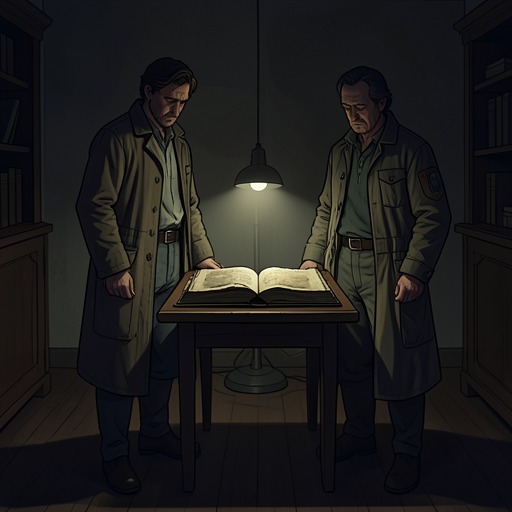
Doctor SleepBoston is the setting for a family crisis that turns Concetta Reynolds’s condo into a temporary center of care and shared time. The city is represented less through streets or landmarks than through the home on Marlborough Street: a familiar domestic space where a sudden broken hip exposes the limits of living alone, and where Concetta’s attachment to her family shapes the choices that follow.
Setting and Domestic Life
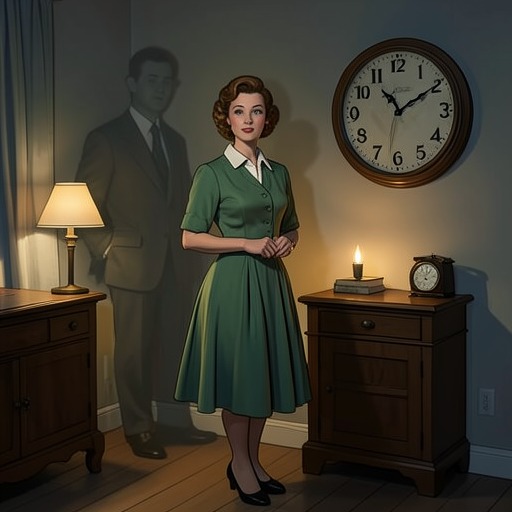
In August 2013, ninety-seven-year-old Concetta wakes early in her Boston condo and heads toward the kitchen to make coffee, following a routine she has repeated thousands of times. Betty, the dog she lost years earlier, is still missed; the absence is part of the quiet domestic landscape before the morning’s accident interrupts it. Halfway to the kitchen, Concetta hears a small snap and falls, pain rushing through her leg. She lies on the polished hardwood floor for about three minutes, looking at her faint reflection and worrying that David Stone will say she should not have insisted on living alone.
That independence has been a deliberate choice, not simply a lack of support. Concetta has been getting around well and feeling fine, and she has rejected the idea of a live-in companion partly because she wants to preserve the room set aside for Lucy and Abra Stone. Their visits matter especially after Betty’s death and as Concetta feels that her poetry has run out. Boston is therefore tied to a particular domestic bargain: keeping her own home also keeps open a place for the granddaughter and daughter whose company she values.
Injury and Diagnosis
Concetta later tells Lucy that she has broken her hip and that doctors can repair it with pins. The initial account is practical and reassuring, but Abra soon learns that the crisis includes more than the injury: she calls her mother in tears, asking to come home because Concetta has cancer. Doctors have discovered pancreatic cancer during the medical care following the fall. The broken hip brings Concetta into treatment; the diagnosis changes what the family understands about the time ahead.
Concetta comes through hip surgery well, but declines a longer hospital stay and any treatment for the cancer. She does not want pills or chemotherapy at ninety-seven, and she tells Lucy that she can afford round-the-clock care rather than require her daughter to spend months bringing meals, medication, and a bedpan. Lucy rejects the prospect of her mother spending the end of her life among strangers. Their disagreement is not over whether Concetta needs care, but over what care should look like and where she should receive it.
Family Visits and the Condo as a Gathering Place
After returning early from Camp Tapawingo, Abra spends the last two weeks of August and the first week of September in Concetta’s Marlborough Street condo with Lucy. Their stay gives the apartment a new role: it is no longer only Concetta’s independent home, but also the setting for family presence while she faces a terminal diagnosis. The arrangement does not become permanent. Abra is due to begin eighth grade at Anniston Middle School on September 9, and David Stone is spending a sabbatical year working on a book. She stays with her father during the week and travels to Boston on weekends to be with Lucy and Concetta.
This schedule makes Boston one pole of Abra’s divided family routine, but the visits carry more than logistical weight. Concetta had preserved space for Lucy and Abra before the crisis; after the diagnosis, that space becomes the means by which they can be near her. The city’s importance in this part of the story is intimate and relational: it is where ordinary visits turn into sustained companionship, even as Abra continues moving between her parents’ homes.
Significance
Boston anchors the story’s shift from a seemingly manageable accident to an approaching death. The fall begins in the unremarkable rhythm of Concetta’s morning, while the broken hip and cancer diagnosis bring her family into direct confrontation with her declining health. Yet the condo remains associated with Concetta’s agency as well as vulnerability: she refuses cancer treatment, arranges for professional care, and insists that her family’s lives not be consumed by tending to her.
The later bedside scene with Concetta recalls the consequence of that decision without making Boston a fully mapped setting. Dan Torrance finds her gravely ill, straightens her displaced cannula, and takes her hand; their short conversation is mostly in Italian, and Concetta manages to caress his stubbly cheek before agreeing that she is ready. Read alongside the earlier weeks in her condo, that farewell places the Boston home within a larger pattern of care: presence cannot reverse illness, but it gives family members time together before the final separation.