Passing on
Doctor SleepPassing on is Dan Torrance’s understanding of death as a transition rather than simple extinction. The idea gives a name to the movement he has witnessed at bedsides, while preserving its mystery: people leave the world others call reality and go on, but Dan cannot describe what lies beyond.
Meaning and Limits
When Abra Stone asks whether the shining can be explained, Dan says he considers it unquantifiable. Her follow-up—whether that means it cannot be figured out, as with God and heaven—leads him to answer yes. His response is less a doctrine than an admission of the limits of explanation. He can speak from experience, but not turn that experience into a complete account of what happens after death.
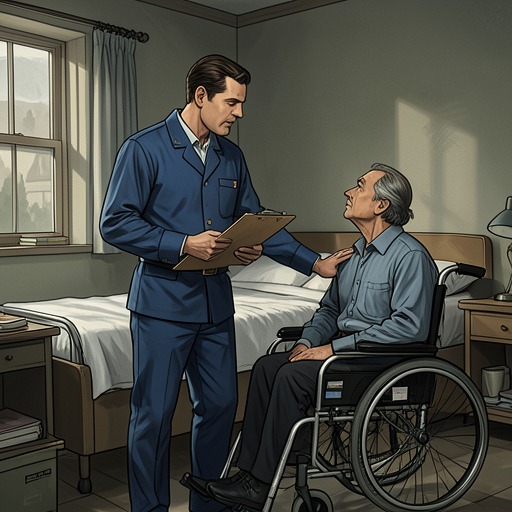
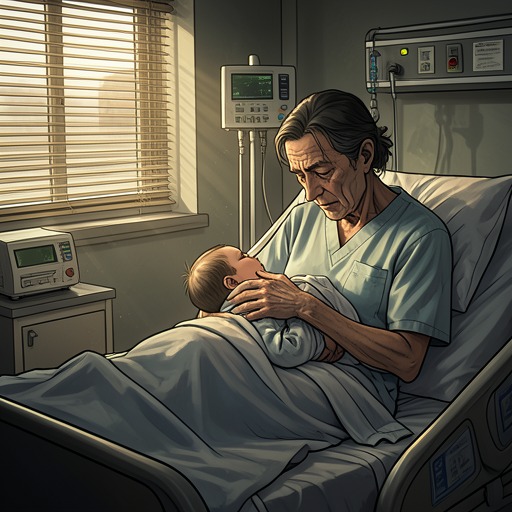
Dan thinks of Charlie Hayes and of the many people he has seen out of the world in his role as Doctor Sleep. Some people call the moment passing on, a phrase Dan likes because it seems to fit what he has witnessed. The word suggests continuation without specifying a destination or claiming certainty about its nature.
The Threshold Dan Has Witnessed
Dan’s encounters with people in mortal extremis have changed how he thinks about reality. He imagines the dying as leaving the world people call Teenytown for some Cloud Gap of an afterlife. The image reverses the usual perspective: at the gateway moments, Dan has felt that it is the world itself that is passing on, not simply the person departing it. He senses an immense presence that remains not quite seen. People sleep, wake, and go somewhere; they go on. He has believed this since childhood, though the experience has never made the destination fully knowable.
The concept also shapes Dan’s understanding of death when he encounters Eleanor Ouellette’s final vision. For an instant he recognizes what she had been seeing: the dead seeming to enter her room through one wall and leave through the other. He corrects his own first impression that they are passing out; they are passing on. The vision is not a return of the dead to the living world. Dan understands that Eleanor’s visitors are gone, and that she has joined their passage. He has been told to wait, and he is waiting.
Loss, Memory, and Continuation
Passing on does not erase the living person’s bond with the dead. Dan’s discovery that Dick Hallorann died of a heart attack on January 19, 1999, nearly fifteen years before Dan checks the date, confronts him with the finality of a loss he had not known about. Dick had saved Dan and his mother in Colorado, but there can be no help from him now. The fact of the death is concrete; what Dan believes about the passage beyond death remains beyond measurement.
The concept thus holds certainty and uncertainty together. Dan has repeatedly witnessed people approach death and has found the language of going on more adequate than the language of disappearance. Yet when Abra wants him to explain what he senses, he cannot. Passing on is not proof of a mapped afterlife; it is the name Dan gives to an experience that has altered his view of reality while leaving its ultimate meaning unresolved.